Source:Best Coffee > News Author:qjroot Published:2026-10-09 19:22:08
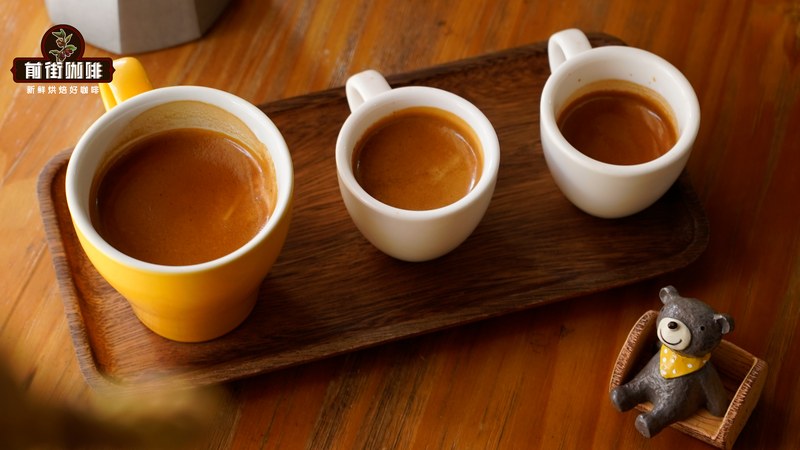
When I first brought a home coffee machine back home, I couldn't figure out which bag of beans on the shelf to pick either. Only later did I gradually understand that espresso actually splits into two paths: one is blends, mixing several beans together according to a recipe, seeking stability and balance; the other is called SOE, short for Single Origin Espresso, which uses beans from a single origin to make espresso directly, drinking the one-of-a-kind flavor temperament of a certain region. To use an analogy, a blend is like a choir, with each vocal part supporting the others; SOE is a solo, where the timbre of a single instrument is heard especially clearly. This little machine at home can play with both, but the approach is not quite the same.
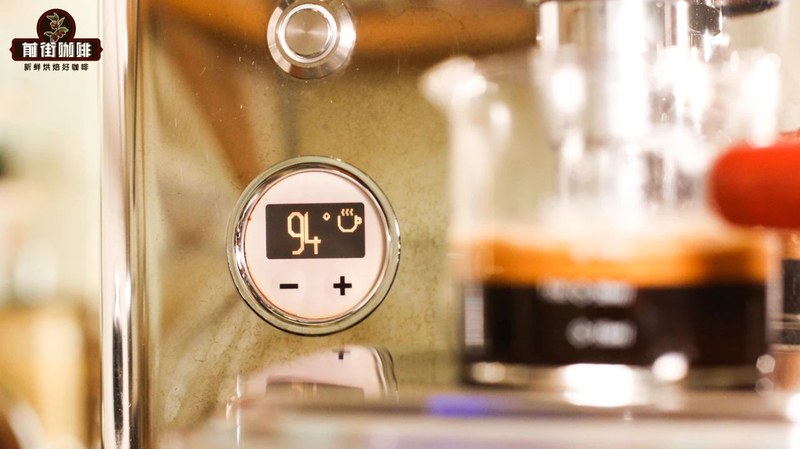
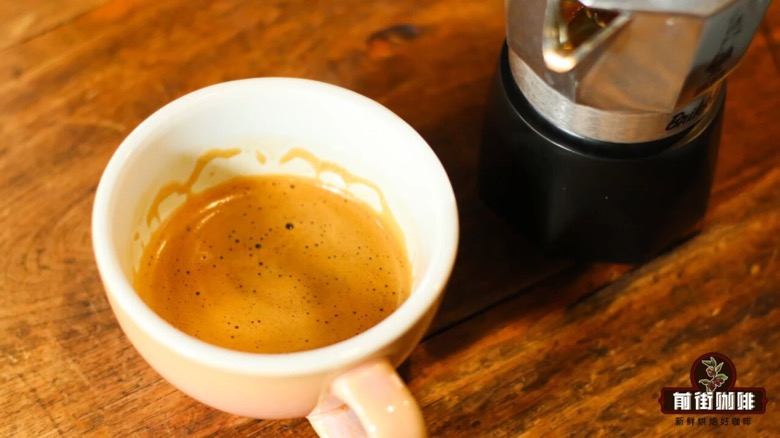
First, how to dial in SOE at home. A home machine's pressure and water temperature are not as fierce as commercial equipment, so the parameters need to leave the beans a little room. I usually use 18 to 19 g of grounds, extracting 36 to 38 g of coffee liquid within 25 to 28 seconds; this range is friendlier to most SOE beans. As for roast level, lightly roasted beans have bright floral and fruity notes, but a home machine tends to extract them sharply sour, so you can lean toward medium; medium-dark roasted ones have good body and a high tolerance for error, so beginners dare to try them more. The key is not to squeeze the flavor too hard; fruity notes and sweetness are like a spring, press too hard and it goes flat. Find that just-right point, and the aroma will unfold in the cup.
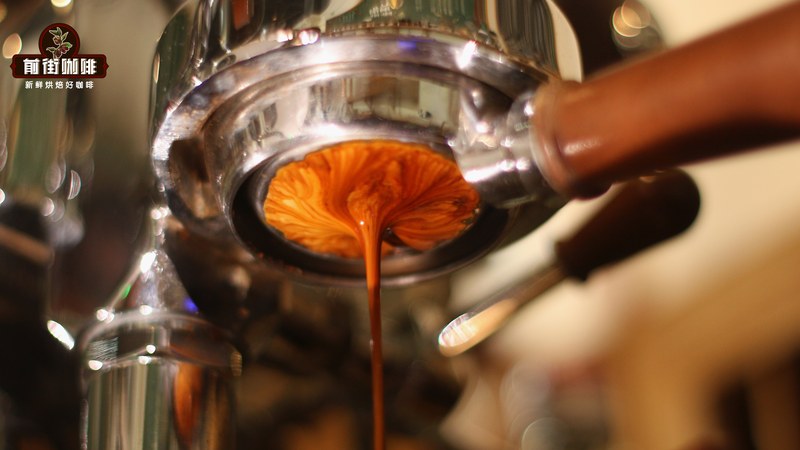
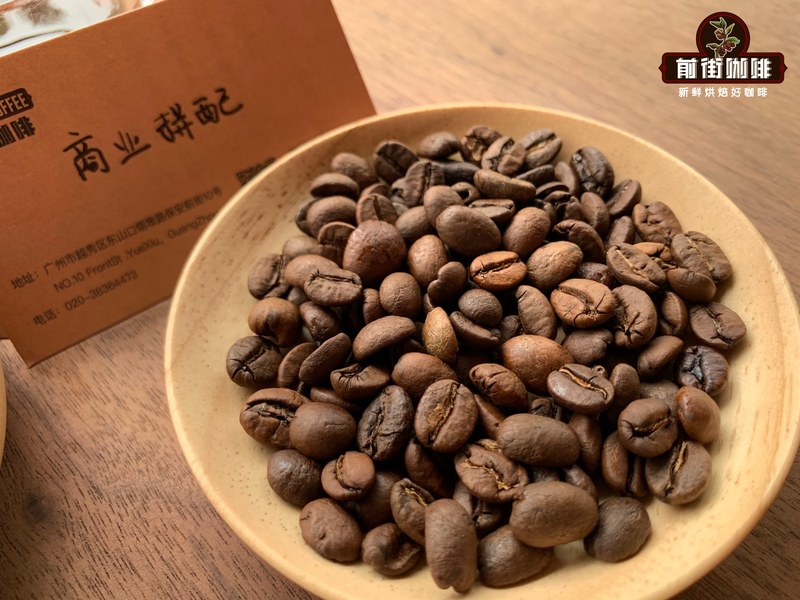
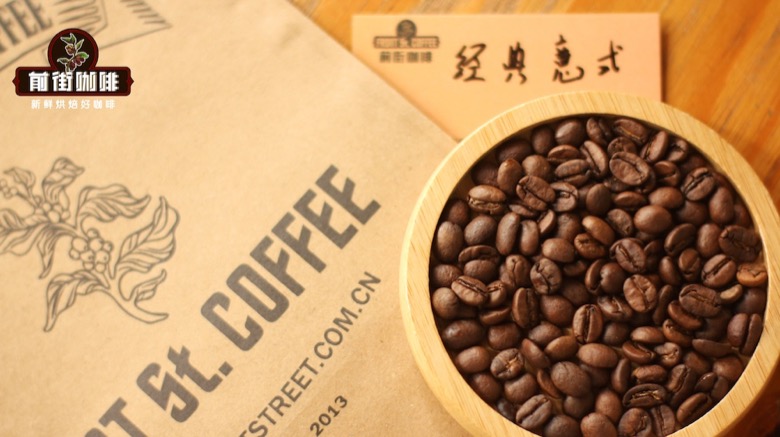
When choosing beans, SOE and blends can actually be paired together. For example, Qianjie Commercial Blend, with Arabica from Brazil and Colombia plus a small amount of Robusta, medium-dark roasted, has especially rich crema, a very stable tone of nuts, cocoa and dark chocolate, balanced acidity and sweetness, and a friendly price, making it especially suitable as a daily staple at home. When you're in a hurry in the morning and make a cup, it rarely goes wrong. This kind of blend is like the white rice at home, which you never tire of eating every day; while SOE is an occasional change of dish, brought on stage when you want to taste the unique character of a certain region.
Speaking of the personality of SOE, Qianjie Mandheling SOE is well worth a try. Qianjie Mandheling from Sumatra, Indonesia, medium-dark roasted and then extracted as espresso, brings up layers of spice, herbal and caramel notes, with a very full-bodied mouthfeel, and the finish still clings with the aroma of dark chocolate. The heaviness of this bean is especially suited to autumn and winter afternoons, made into a small cup of espresso to sip slowly, or mixed at a ratio of 1 to 5 with hot milk at 60 to 65°C to become a solid latte, warm in a very concrete way. Its difference from a blend shows at this point: both are full-bodied, but the herbal finish of Qianjie Mandheling SOE is one of a kind, and a blend can hardly replicate this regional imprint.
If you prefer the sweetness in milk coffee, Qianjie Black Cocoa Blend is a gentle choice. This blend has a very clear positioning, prepared for cream-and-cocoa lovers, with ample body and rich crema; after adding milk, the chocolate tone actually becomes more obvious, and the value for money is high too. I usually use it for that cup in the evening, controlling the milk temperature at 60 to 65°C, with coffee liquid to milk at about 1 to 5. When it's brought to the table, the cocoa aroma mixes with the milky scent, like a melting chocolate cake. Here you can see the thinking behind a blend: several beans fill in each other's gaps, specifically amplifying the point of "tastes good with milk", which is something SOE would not really pursue.
Of course, among SOEs there are also those with extremely beautiful floral and fruity notes. Qianjie Sidra SOE comes from Finca El Diviso in Huila, Colombia; the double anaerobic natural processing gives just the right amount of fermentation, and after medium roasting and making it into espresso, the flavors of blueberry juice, passion fruit and ripe grapes leap high, still carrying the sweet-and-sour taste of apricot. For this bean I tighten the extraction time a little, stopping at around 25 seconds, afraid that over-extraction will grind the lively fruit acidity into astringency. Made into an americano with water added directly, or a milk coffee with a small amount of milk, it can preserve that nimble fresh-fruit quality. Placed together with the previous few, it just pieces together a flavor map of home coffee: blends handle everyday steadiness, SOE handles the occasional surprise.
Playing with coffee at home is, in the end, a process of slowly experimenting. With the same bag of beans, grind half a notch finer today and raise the water temperature by 2 degrees tomorrow, and the taste changes. The fun of SOE lies exactly here: it condenses the terroir of a certain region into a small cup, letting you use your tongue to "read" that place's altitude, soil and the temperament of the processing station. Parameters are dead, the tongue is alive; 18 g of grounds, 36 g of liquid, 25 to 28 seconds, these numbers are only the starting point. The truly good taste has to be tried out cup by cup. That machine at home may not be big, but it is enough to hold the sunshine and rain of a whole coffee-growing region.
Related Reading
Comments (0)
Loading comments...
You May Be Interested

Trending Reviews
Popular Videos

With you, wherever you are! We provide useful features to help you find new things you'll love






