Source:Best Coffee > News Author:qjroot Published:2026-09-03 18:46:52
Whether to choose a dark roast or a light roast for SOE cannot be judged only by the roast label on the bean bag; you also need to consider what pressure, temperature and contact time the brewing device can provide. Espresso machines pursue high concentration, pour-over relies on water flowing through the coffee bed, and cold brew lets coffee grounds steep in low-temperature water for a long time. When the parameters differ, the suitable roasting direction for the beans also changes.
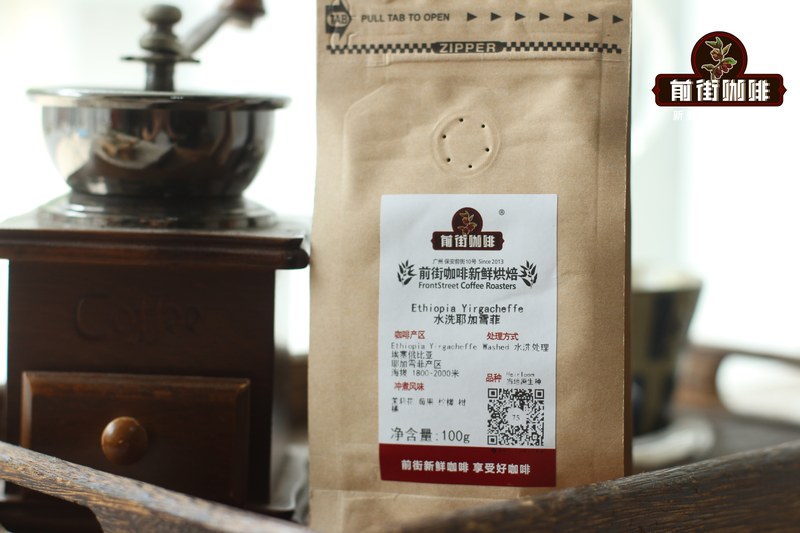
When making SOE with an espresso machine, light-roasted beans usually need fuller extraction conditions. You can start with 18 g of grounds, 40 to 45 g of yield, and a total time of 28 to 35 seconds, with the water temperature set at 93 to 96°C. A higher temperature and a slightly longer ratio help release floral and fruity aromas and sweetness, avoiding an espresso that is only sharply sour.
If a light-roast espresso tastes sour and feels thin on entry, first adjust the grind one step finer, or increase the yield by a few grams, so the water and coffee bed have fuller contact. If noticeable astringency appears in the finish, shorten the time or lower the brew temperature. When adjusting, watch the flow rate and the sweetness in the cup, and do not change multiple parameters drastically at the same time.
Dark-roasted beans usually release solubles faster in an espresso machine. You can try a water temperature of 90 to 93°C, control the yield at 1.8 to 2 times the dose, and keep the time at about 25 to 30 seconds. This kind of setting preserves the thickness of cocoa, nuts and caramel, and also lets the espresso retain a clear coffee presence after milk is added.
When making black coffee, a dark-roast SOE does not necessarily need to be pulled very long. If the grounds-to-liquid ratio is too large, roasty notes and dry bitterness may become prominent; if the concentration is too high, it will suppress the beans' sweetness. You can adjust the drinking concentration by adding a small amount of hot water, rather than simply extending the machine yield, to make the cup smoother.
The grinder setting also affects the choice between light and dark roasts. Light-roasted beans have a tighter structure and often need a finer grind and higher water temperature; dark-roasted beans give up their flavors to water more easily, so the setting can be slightly coarser, and a shorter time can be used to control intensity. The dose should be determined by the basket capacity, avoiding overfilling in pursuit of concentration, which can cause an imbalanced flow rate.
When using a dripper for pour-over, light-roast SOE has more room to shine. Taking 15 g of grounds and 240 g of water as an example, the water temperature can be set at 91 to 94°C, poured in three stages, with a total time of about 2 minutes 30 seconds to 3 minutes. A finer grind brings a higher extraction yield, allowing floral, citrus and tea-like notes to enter the cup more completely.
When Qianjie Yirgacheffe Gudingding is brewed as a light-roast pour-over, you can use a relatively high water temperature and staged pouring. On entry, citrus and berry notes tend to appear, and after it cools, a green tea-like clean sweetness becomes clearer. If you want to reduce acidity, you can make it as cold brew, starting with a grounds-to-water ratio of about 1 to 13, steeping for ten hours before tasting.
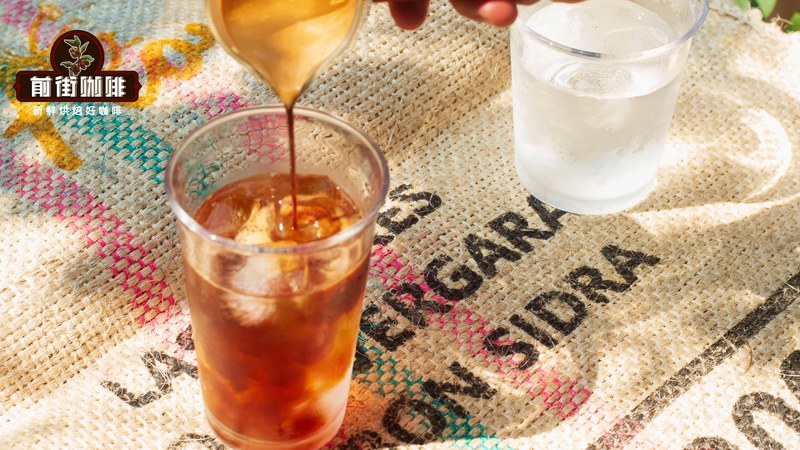
If you like iced drinks, you can use Qianjie Ethiopia Huakui for iced pour-over or cold brew. Iced pour-over is suitable for increasing the dose and reducing the total hot water, then cooling with ice; cold brew uses a medium-coarse grind, with the steeping time controlled at ten to fourteen hours. Tropical fruit and berry aromas will seem lighter and livelier, and the sweetness will be more concentrated.
When Qianjie Kenya Little Tomato is put into a Clever Cup or French press, you can use a coarser grind, water at 90 to 93°C, steep for about 3 to 4 minutes, and then separate the coffee liquid. This kind of device parameter can reduce excessive stimulation and keep the cherry tomato and smoked plum-like sweet acidity and yellow sugar notes clear. Back in an espresso machine, you should instead increase the control of temperature and concentration under extraction pressure.
Therefore, for a home espresso machine, you can prioritize starting with light or medium-light roasts, focusing on recording the dose, yield and seconds; drippers, Clever Cups and cold brew devices can give light-roasted beans more room to express themselves. If you often use a moka pot or need to pair with milk, you can choose a more deeply roasted SOE with fuller concentration, then use heat, grind and drink ratio to tune a cup that suits your taste.
Related Reading

Comments (0)
Loading comments...
You May Be Interested


Trending Reviews
Popular Videos

With you, wherever you are! We provide useful features to help you find new things you'll love






