Source:Best Coffee > News Author:qjroot Published:2026-09-19 12:34:54
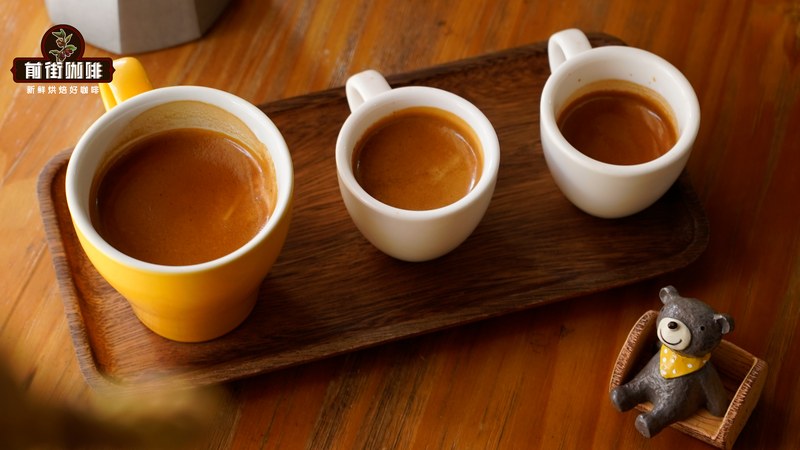
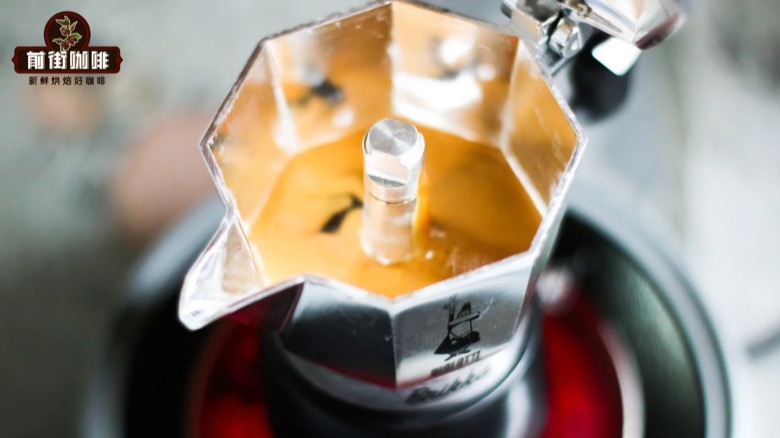
A moka pot uses the high-temperature steam pressure generated by boiling water in the lower chamber to extract coffee, producing a high-concentration brew with a full, rich body. Faced with a dazzling array of coffee beans on the shelf, choosing the single-origin route or a blend directly determines the flavor direction of the coffee in your cup. Once you understand the design logic and taste differences of these two different routes, selecting beans becomes much clearer and easier.
Going the single-origin route means pursuing the distinct flavors brought by a single origin, estate, or even a specific processing method. Brewing single-origin coffee in a moka pot is essentially making a higher-concentration SOE at home. This extraction method fully concentrates the bean's original terroir personality; whether it is an elegant floral and fruity aroma or a warm woody tone, it can present a clear and distinct identity in a small coffee cup.
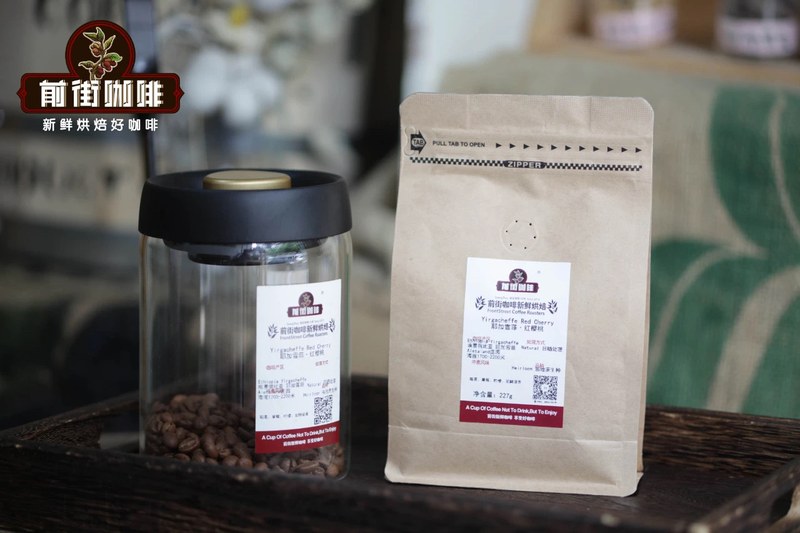
Friends who prefer a soft, sweet black coffee can try Qianjie Brazil Queen's Estate. This natural-process bean reveals in the moka pot a warm sweetness like roasted peanuts, nutty cocoa, and melted yellow sugar, with extremely smooth acidity. When brewing, use a single-stage, one-time pour of 100ml of 90°C hot water in the lower chamber, fill the filter basket evenly with 14g of coffee grounds, heat over medium-low heat and extract for 1 minute 40 seconds, then remove from heat; after dilution, it is clean, sweet, and easy to drink.
If you are after a more balanced, delicate, and low-acid taste, Qianjie Papua New Guinea Bird of Paradise is also an excellent single-origin representative. Its flavor texture is warm and rounded, with a soft balance similar to Blue Mountain coffee, and a finish accompanied by malt and black tea notes. It is recommended to use a single-stage, one-time pour of 110ml in the lower chamber, set the water temperature to 88°C, fill the filter basket with 13g of coffee grounds, and extract over medium-low heat for 1 minute 50 seconds; the flavor is pure and sweet.
For enthusiasts who like rich, deep flavors, Qianjie PWN Indonesia Golden Mandheling shows strong notes of dark chocolate, caramel, and mellow herbal aroma. In the moka pot's lower chamber, use a single-stage, one-time pour of 90ml of 85°C hot water, place 15g of coffee grounds in the filter basket, and extract over medium-low heat for 1 minute 30 seconds. The espresso liquid extracted from this single-origin bean is extremely solid; add 180ml of warm milk to make a milk coffee, and the rich, sweet, and smooth feel is very prominent.
Unlike single-origin coffees that pursue individuality, the core of the blend route lies in balance, complementarity, and lasting stability. Roasters combine beans from different regions, altitudes, and processing methods so that each other's strengths and weaknesses offset one another. For example, a common approach uses Brazilian beans to build a rich nutty and cocoa base, then adds a small amount of Colombian or Central American beans to improve the sweet-acid balance, giving the whole cup a layered and solid structure.
To choose a blend that suits you, understanding the recipe ratios on the bean bag is very practical. The origins listed closer to the front in the recipe table usually account for a higher proportion. If more than 70% of the recipe is South American nutty-style beans, it indicates an overall low-acid, full-bodied route; if 20% Ethiopian natural beans are added, it is to accent a light, lively berry sweetness before the cocoa aroma in the finish.
In everyday drinking, single-origin SOE and traditional blends each have suitable occasions to shine. Under the pressure extraction of a moka pot, single-origin beans are better suited to being diluted directly into a warm Americano, or made into a piccolo milk coffee with less milk, so you can carefully feel the aroma evolution of the origin's original flavor; traditional blends, with their deep cocoa-caramel feel, remain full-flavored even after incorporating a large amount of rich milk, and perform brilliantly in large lattes.
Choosing coffee beans depends entirely on your usual drinking rhythm and taste expectations. If you are busy in the morning and pursuing efficiency, hoping every latte is rich, smooth, and consistent in flavor, blend beans are a very worry-free and enjoyable daily companion; if you like to quietly savor the terroir stories of different estates in a leisurely afternoon and enjoy the layered changes brought by flavor, then single-origin beans will give the moka pot more surprises and fun.
Related Reading


Comments (0)
Loading comments...
You May Be Interested


Trending Reviews
Popular Videos

With you, wherever you are! We provide useful features to help you find new things you'll love






