Source:Best Coffee > News Author:qjroot Published:2024-11-10 12:06:36

Sumatra is the second largest island in Indonesia and the sixth largest in the world—thirteen times the size of Taiwan Island. The reason coffee is grown here is largely due to the Dutch East India Company’s efforts to meet growing global coffee demand and increase colonial profits. Additionally, Sumatra lies within the Pacific Ring of Fire, with fertile volcanic soil ideal for cultivation, which led to the introduction of coffee to the island. Even after Indonesia gained independence, coffee remains a vital cash crop for the country.

Coffee is a perennial crop, and large-scale planting helps reduce soil erosion between the dry season (May to September) and the rainy season each year. Mandheling coffee is primarily grown in the two northernmost provinces of the island—Aceh and North Sumatra (Utara).
Aceh is currently the main producer of organic coffee beans in Sumatra, with coffee trees mainly cultivated around Lake Tawar in the Gayo Mountains. Most coffee farmers here belong to the local Gayo ethnic group.

North Sumatra, on the other hand, is known for its major producing areas such as Sidikalang on the western side of Lake Toba—the world’s largest volcanic crater lake—and Lintong on the southern side. Local farmers here are mostly from the Batak ethnic group.

Since most producers are smallholders with limited income and little capital to invest in agricultural improvements, pesticides are rarely used. Moreover, most coffee is grown under shade and on plots of one to two acres intercropped with various other plants, creating a unique ecosystem. This diversity offers pests more food options, indirectly reducing the likelihood of coffee trees being targeted, hence reducing the need for pesticides.
But you might wonder—why do these producing areas have names that don’t seem to have anything to do with “Mandheling”?

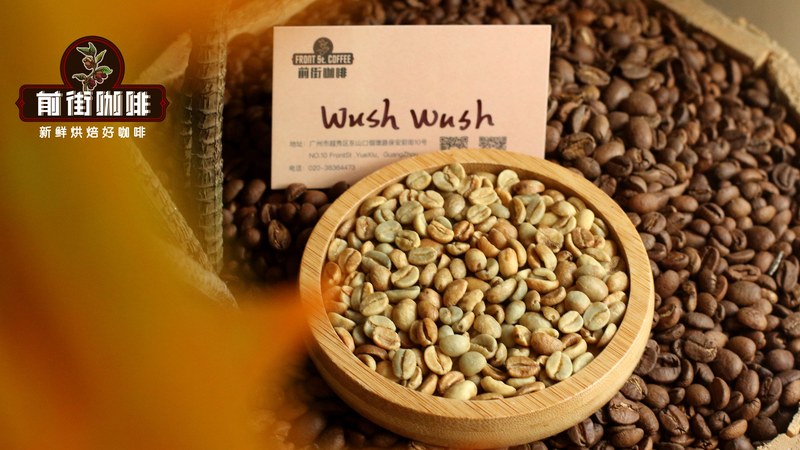
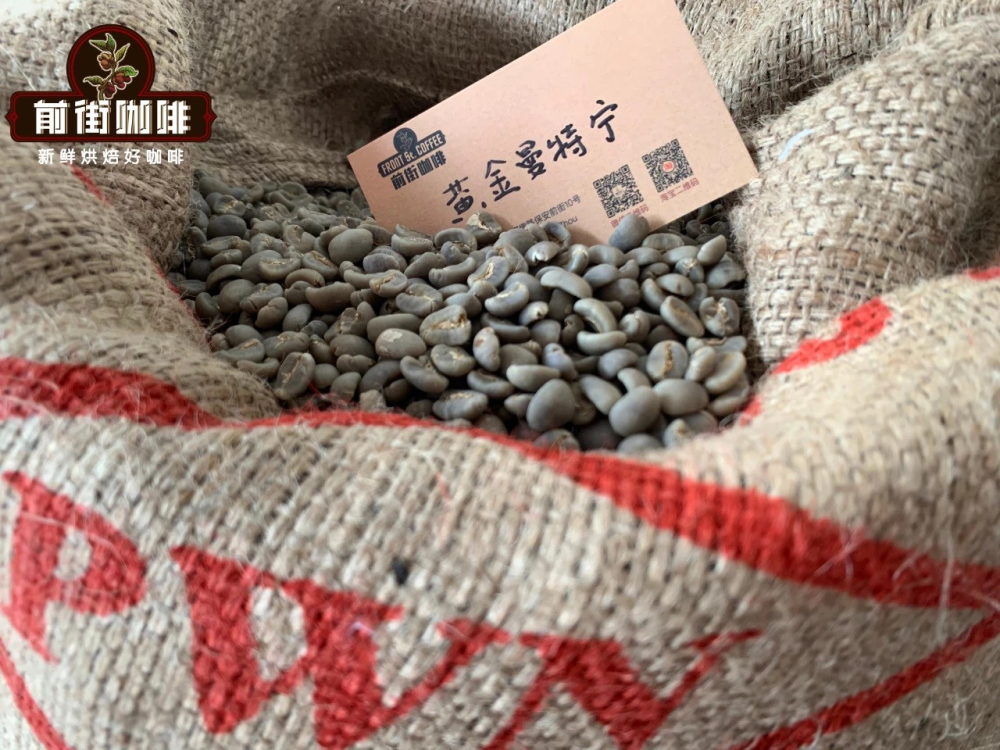
The name “Mandheling” is said to have originated during World War II when Japan occupied Sumatra. A Japanese soldier, while drinking exceptionally rich coffee at a café, asked what kind of coffee it was. The locals misunderstood the question as “Where are you from?” and answered “Mandailing (ethnic group),” which later evolved into the name of the coffee. Although the story may not be entirely true, Mandheling originally referred to a very small place name, which gradually became a term representing an ethnic group—the Mandailing (mandheling), and is now one of the monikers for high-quality Sumatran coffee. So, in reality, Mandheling isn’t a coffee variety or specific origin name, but rather a conceptual general term. However, locals don’t directly call it “Mandheling”; instead, they refer to it by origin or characteristics. The most common include Lintong Mandheling, Gayo Mandheling, Tiger Mandheling, Golden Mandheling, Aged Mandheling, and so on. The front store routinely stocks a regular ‘Lintong Mandheling’ and a top-tier ‘PWN Golden Mandheling’ for customers to choose from.
Mandheling rarely faces pesticide issues, and its bold flavor is favored by traditional coffee aficionados, especially when paired with milk for a richer taste. While Mandheling’s distinctive style was once a strength, it has become a disadvantage in the wave of specialty coffee development: personalized flavor profiles are trending, and traceability to the coffee’s origin is a key highlight in specialty coffee. Traditional Mandheling tends to fall short in these aspects. In recent years, emerging origins have consistently made their mark in global competitions, further dimming Sumatra’s presence. Therefore, the future of Indonesia’s coffee industry hinges on shedding the stereotype of being “just Mandheling.”
Globally, Mandheling only performs well in traditionally appreciative markets like Japan and Taiwan. But today, an increasing number of specialty beans—with unique floral, clean, or fruity profiles—are gradually replacing the preference for Mandheling in those regions. While Sumatra’s unique processing methods lend Mandheling its distinct flavors, they also limit the broader development of Indonesian coffee.
Related Reading


Comments (0)
Loading comments...
With you, wherever you are! We provide useful features to help you find new things you'll love