Source:Best Coffee > News Author:qjroot Published:2026-10-07 12:37:37
Kenyan coffee has an extremely distinctive flavor profile, and one taste is enough to leave a deep impression. This distinctiveness comes first from its signature acidity - not a sharp, tongue-piercing sourness, but a bright, lively, fruity acidity reminiscent of cherry tomatoes and smoked plums, awakening the palate the instant it enters the mouth. Accompanying the acidity is a full-bodied juiciness, with layers of black plum and snow pear flavors giving the whole cup a clear, translucent texture, as if biting into a ripe, succulent fruit. Dark floral notes flicker in and out across the high-to-medium temperature range, while a brown sugar-like sweetness balances the acidity, keeping the flavor structure both three-dimensional and harmonious. The finish is clean and refreshing - a gift from the 72-hour double washed process: first about 48 hours of fermentation to remove the mucilage, then a 24-hour soak in clean water. The extra soaking step washes away off-flavors, leaving only the pure character of the origin.
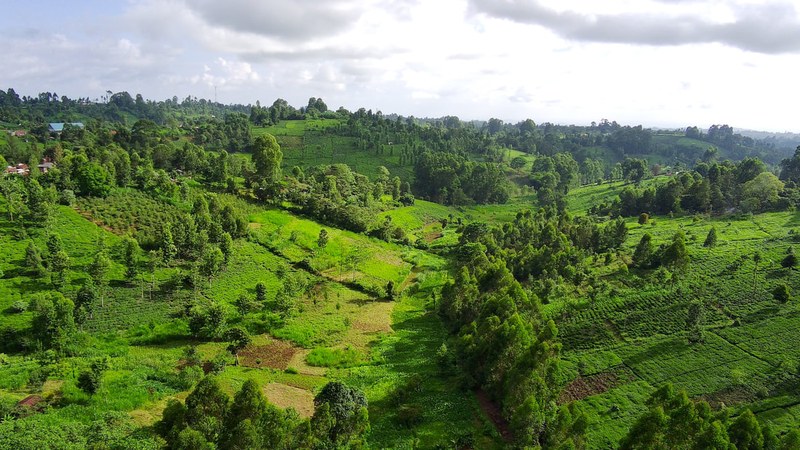
The formation of this flavor structure is inseparable from Kenya's geographical conditions. The volcanic soil of the East African highlands is rich in phosphoric acid, providing the coffee trees with unique mineral nutrition; growing altitudes of 1600 to 2100 m allow the fruit to mature slowly, so sugars and flavor compounds can fully accumulate. Two widely planted Bourbon-lineage selected varieties, developed through multiple rounds of selection, are naturally endowed with outstanding acidity potential and complex aroma genetics. High altitude, phosphoric-acid-rich soil, classic varieties and rigorous washing - the combination of all four shapes the core character of Kenyan coffee: "beautifully acidic, subtly sweet, clean and transparent." The nationwide terrain, with an average altitude of about 1500 m, also lets different micro-regions develop fine variations within their shared traits.
Adjusting the processing method and roast level can make beans from the same origin express completely different faces. Kenya's classic 72-hour double washed process reinforces cleanliness and the leaping quality of the acidity, making it an ideal starting point for understanding the origin's true character. Switch to natural or anaerobic processing, and the fermented character strengthens noticeably: berry notes may shift toward jam or even rice wine, the acidity becomes rounder and heavier, and the sweetness becomes more overt. As for roast level, a light roast preserves more floral and fruity aromas and bright acidity, while a light-medium roast brings the brown sugar sweetness and body slightly forward, and the acidity shifts from leaping to lingering. Qianjie Kenya Athalia is one worth trying: with prominent berry and cherry tomato notes, it presents a wine-like fermented aroma when cold brewed, with translucent acidity - a fitting contrast to the washed pour-over.
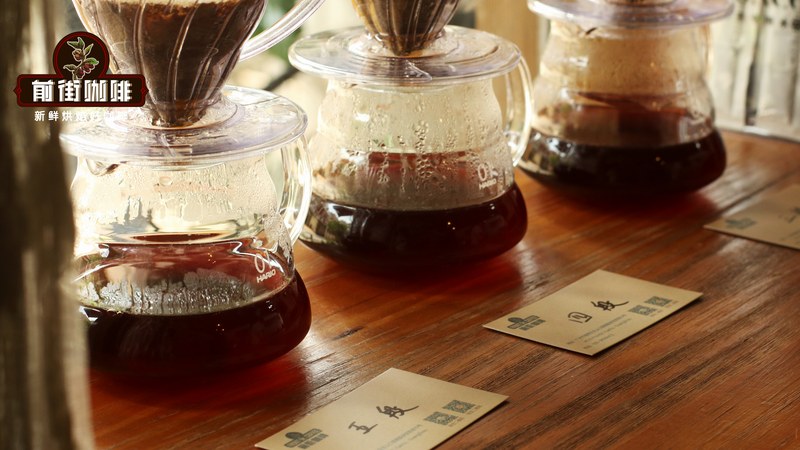
When tasting Qianjie Kenya coffee beans day to day, comparative cupping is an effective path to really understanding them. You can fix the brewing parameters - 15 g of grounds, a 1:15 coffee-to-water ratio, 92 to 93°C water, a 30-second bloom, and total time kept under 2 minutes - and brew a washed bean and a special-process bean side by side to feel the divide between cleanliness and fermented character; or you can take the same bean and adjust water temperature or grind size to observe the acidity shifting from "bright and leaping" to "soft and lingering." It is best to drink each one on its own first, building a memory anchor for the origin's baseline flavor, before introducing a comparison sample. When tasting, don't rush to swallow - let the coffee linger in the mouth for a moment to distinguish the acidic aroma up front, the juicy mid-palate and the sweet layers in the finish, and notice how the flavors migrate as the temperature drops: floral notes are obvious at high temperature, fruity notes unfold at medium temperature, and sweetness and tea-like notes emerge at low temperature.
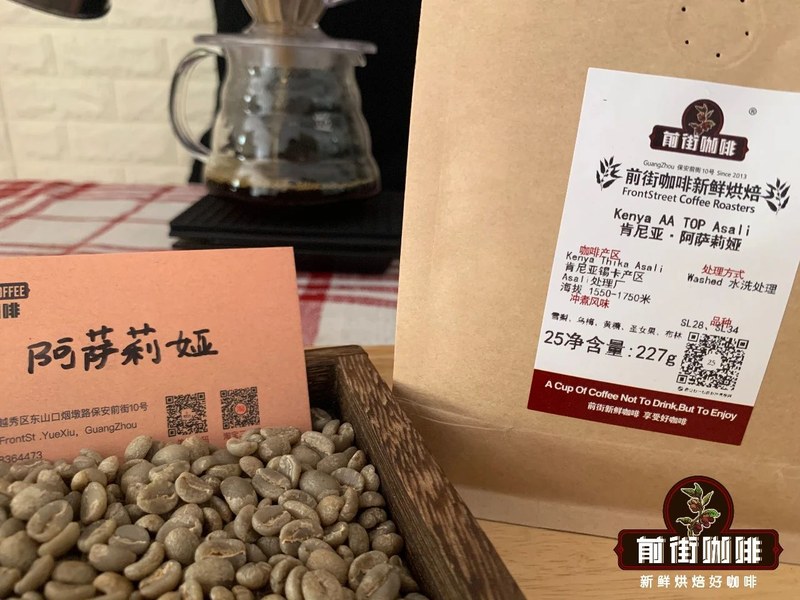
Qianjie Kenya Cherry Tomato is a bean that clearly presents the origin's classic profile. It comes from Kenya's Thika region, grown at 1550 to 1750 m, of a locally selected Bourbon-lineage variety, using the local classic 72-hour double washed process and a light roast. The entry is marked by vivid cherry tomato and smoked plum flavors; the mid-palate reveals fresh fruit notes like snow pear and black plum; the finish carries brown sugar sweetness and a faint green tea aroma. It is very suitable as a reference sample for Kenyan flavor - whether compared against processing-method variants or drunk alongside other East African origins, it helps build precise taste coordinates. Drinkers who prefer pour-over can extract it with the parameters above; those who prefer espresso can try a finer grind and shorter extraction - the acidity stays lively when made into an Americano; and Moka pot users can heat over medium-low heat until the flow ends, yielding a cup of Kenyan coffee with higher concentration and more focused fruit aromas.
This style of flavor suits drinkers who are open-minded about acidity and seek layered variation in the cup. If you favor juicy over rich and creamy, and floral and fruity over nutty and chocolatey, the Kenyan origin is worth exploring in depth. When first getting acquainted, start with a classic washed light roast, then gradually try variations in processing method and roast level, letting your palate slowly adapt to and appreciate this style that is "acidic with reason, aromatic with roots." Each comparison is a small flavor experiment, and Kenyan coffee's vivid personality makes it an especially ideal sample for the experiment table.
Related Reading




Comments (0)
Loading comments...
You May Be Interested





Trending Reviews
Popular Videos

With you, wherever you are! We provide useful features to help you find new things you'll love






