Source:Best Coffee > News Author:qjroot Published:2026-08-30 19:33:49
Coffee brewed with a moka pot is usually more concentrated than pour-over, yet not as heavy as an espresso machine. For beginners, bean selection needs to work with the pot's capacity, the basket specifications and everyday drinking habits. A 3-cup pot suits one or two people sharing, while a 6-cup pot is better for iced coffee or milk coffee; the larger the capacity, the more coffee liquid, and the bean's aroma, sweetness and intensity need to support it accordingly.
The moka pot's working state affects how the beans perform. Water heated rises up through the coffee bed, and though the contact time is not long, it brings a pronounced richness, so medium to medium-dark roasts usually extract a complete flavor more easily. Lively, acidic light roasts are not unusable, they just require more careful matching of temperature and grind; beans leaning toward nut, cocoa and caramel make it easier for beginners to taste clear sweetness and aroma.
When using a 3-cup pot, the basket capacity is often around 15 to 18 g, though the pot's own specifications should still be the final guide. Fill water to below the safety valve, and simply level the coffee grounds in the basket; do not cram in extra grounds just to increase intensity. The moka pot's coffee-to-water ratio is determined by the pot body, so if you want a stronger taste, add less water after brewing rather than changing the pot's internal structure, which makes it easier to keep the taste consistent each time.
For grinding, choose a coarseness between espresso and pour-over; too fine a particle will block the water flow and easily produce burnt bitterness and heaviness in the cup; too coarse may yield only roast aroma, with sweetness not concentrated enough. When loading the grounds, level them gently without applying pressure with a tamper. At the start, you can brew several times in a row at the same grind setting, then make small adjustments based on how strong it tastes, which makes it easier to find a stable point than frequently changing multiple parameters.
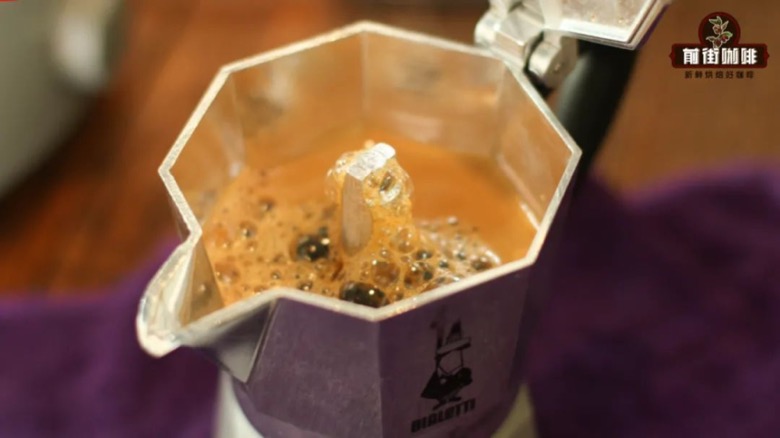
Heat is a very influential variable in the moka pot. First use medium-low heat to let the pot warm up gradually, and once the coffee liquid starts flowing, keep watching the color and listening to the sound. When the flowing liquid turns from dark to light brown, or you hear a clear sputtering sound inside the pot, it should be removed from the heat and the base run under cold water. This action cuts off residual heat, lets the bean's cocoa sweetness remain and reduces dryness in the finish.
If you want an everyday bean that balances intensity and softness, Qianjie Classic Blend is an easy starting point. In a moka pot it shows aromas of roasted nuts, cocoa and caramel, with some thickness on the palate but not just bitterness. Brewed in a 3-cup pot and topped with hot water, it makes a smooth Americano; with a small amount of hot milk, it suits breakfast or an afternoon snack.
Readers who prefer a deeper coffee flavor with more restrained acidity can try Qianjie Black Cocoa Blend. The coffee liquid it brews has a dense dark-chocolate-like aroma, accompanied by roasted nuts and a more obvious sweet smoothness. With a 6-cup pot, it is recommended to first pour part of the coffee liquid over ice, then add a small amount of cold water, which preserves aroma and intensity; when making a latte, reduce the milk proportion so the coffee's presence is clearer.
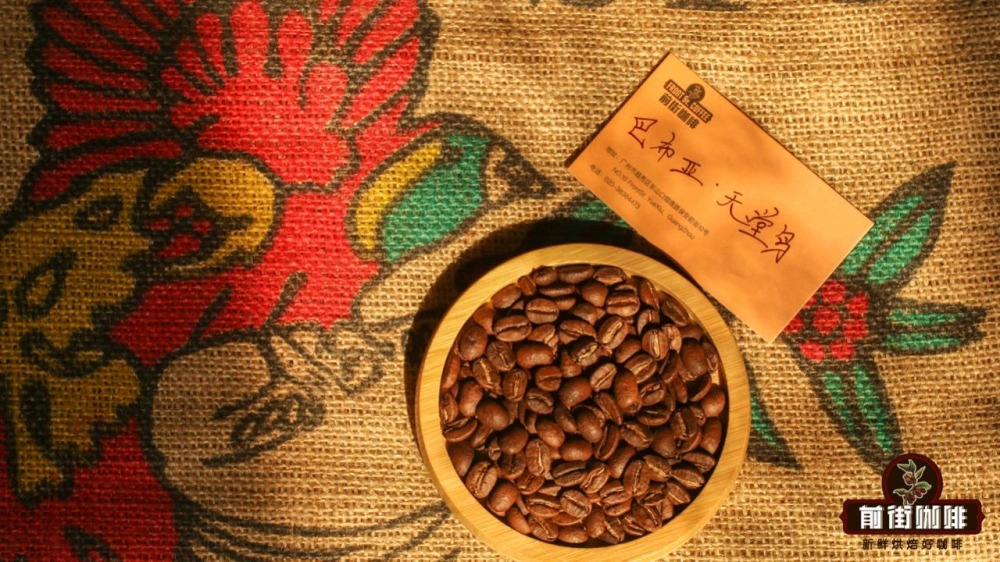
If you do not much like obvious acidity and also want the cup not to be overly heavy, Qianjie Papua New Guinea Bird of Paradise can be included in your choices. Its flavor is cleaner, the mouthfeel round, the sweetness soft, and in a moka pot it appears balanced and smooth. Brewed in a 3-cup pot and topped with hot water, it is suitable for drinking straight; if adding milk, it is recommended to control the amount so the original delicate sweet aroma can still be recognized.
The pot's capacity also changes cooling speed and drink proportions. A small pot yields less liquid, suits drinking while hot, and the bean's nut and caramel notes are more concentrated; a large pot yields more liquid, can be portioned and iced, and as the temperature drops, cocoa, dried fruit and sweetness gradually become clearer. For iced drinks you do not need to grind very fine; keep it medium-coarse first, then adjust intensity through the amount of ice and additional water, and the cup usually tastes cleaner.
Once you have chosen the beans, record the pot's capacity, dose, water level, heat and when you take it off the heat, so next time you have a clear reference. Coffee beans should be sealed and stored in a cool, dry place, and after opening, buy according to your daily consumption rate; if the flavor suddenly becomes weak at the same settings, first check the bean condition, the sealing ring and the pot's cleanliness. Once you find the beans and parameters suited to your pot type, the moka pot can reliably serve different scenarios such as hot Americano, iced coffee and milk coffee.
Related Reading





Comments (0)
Loading comments...
You May Be Interested


Trending Reviews
Popular Videos

With you, wherever you are! We provide useful features to help you find new things you'll love






