Source:Best Coffee > News Author:qjroot Published:2026-08-15 10:45:13
For many coffee lovers, Blue Mountain coffee is a name that is almost impossible to avoid. In an era before specialty coffee became widespread, "treating someone to Blue Mountain" even became synonymous with high-quality coffee. Even today, as more and more specialty origins are discovered, Blue Mountain coffee still holds a place in the coffee world thanks to its unique flavor and sense of balance. Why exactly is it so expensive? And how should you drink it? This article explains it all at once.
Many people assume that all coffee produced in Jamaica is called Blue Mountain coffee, but that is not actually the case. Strictly speaking, only coffee grown in specific areas of Jamaica's Blue Mountains and officially certified by Jamaica can be called "Jamaica Blue Mountain Coffee."
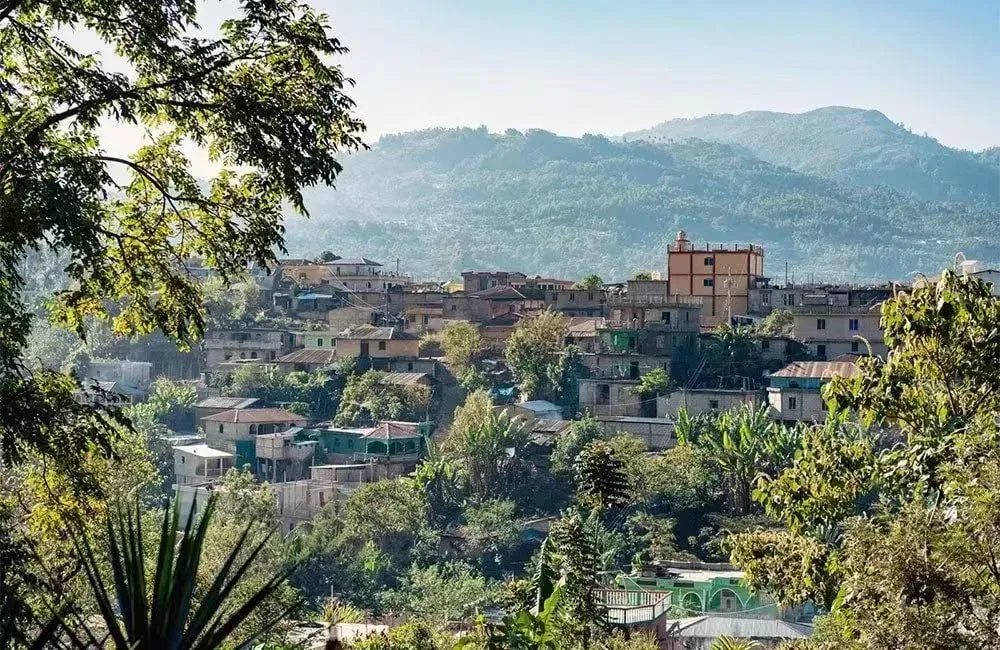
The Blue Mountains are located in eastern Jamaica and are one of the higher mountain ranges in the Caribbean, with the highest peak at 2256 m above sea level. They are shrouded in mist and clouds year-round, which is how they got the name "Blue Mountain." The high altitude creates a large temperature difference between day and night, giving the coffee cherries a longer ripening cycle; the fertile volcanic soil provides abundant nutrients; and the ample, even rainfall and mild, stable climate allow the coffee cherries to slowly accumulate sugars and flavor compounds. It is under these conditions that Blue Mountain coffee develops its delicate mouthfeel and balanced flavor.
On one hand, the Blue Mountain growing area is very limited, and the entire Blue Mountain region produces less than 2500 tons per year, accounting for only a tiny fraction of global coffee production. On the other hand, the Japanese market has long maintained a stable trade relationship with Jamaica and historically purchased more than 70% of Blue Mountain coffee production, so the amount that truly reaches the global market is even more limited. Scarce supply and strong demand have kept Blue Mountain coffee at a relatively high price for a long time.
In the early days of the Chinese market, the lack of proper import channels made Blue Mountain coffee seem even more mysterious. In fact, since 2003, Jamaican Blue Mountain green beans have been officially exported to the Chinese market, and today consumers can already buy certified Blue Mountain coffee through proper channels.
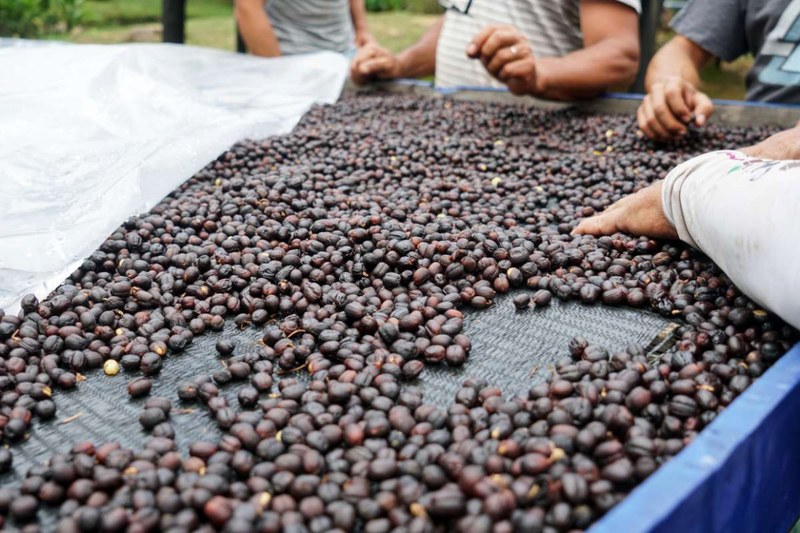
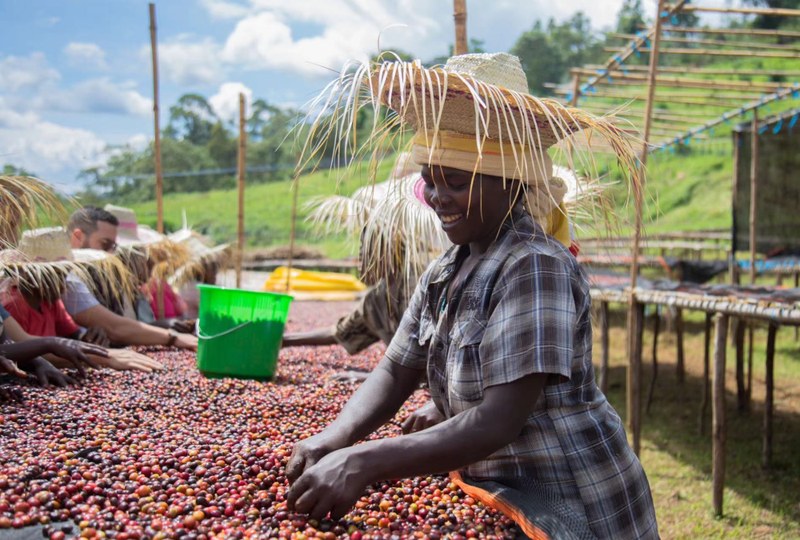
Low production is one factor, but the difficulty of cultivation is also key. Coffee in the Blue Mountain region is mostly grown on steep slopes, and during harvest the ripe cherries must be selected by hand one by one; large-scale mechanical harvesting is not possible. Add to that the inconvenient transportation in the mountainous area, and shipping costs are also high. Together, these factors mean Blue Mountain coffee is destined from the source to be "low in quantity and high in price."
Compared with many specialty coffees that emphasize distinctive flavors, the charm of Blue Mountain coffee lies in its balance. It has almost no obvious weaknesses: it is neither as intensely fruity and acidic as some African coffees, nor as heavy and bitter as dark-roasted coffee. Instead, it achieves a good balance among acidity, sweetness, bitterness and aroma.
High-quality Blue Mountain coffee usually presents a complex flavor profile of cream, caramel, chocolate, nuts, honey and a slight fruity note. It is smooth and round on entry, rich in sweetness in the middle, with a clean and lingering finish; the overall layering is rich yet understated. Because of this excellent balance, Blue Mountain coffee is often described by many coffee professionals as "a specialty coffee that most people can easily enjoy."
When buying Blue Mountain coffee, the certification system is very important. Genuine Jamaican Blue Mountain coffee does not have a traceability code, but importers usually have complete export certification documents and proof of origin, or there are obvious detailed characteristics of the green beans from the origin.
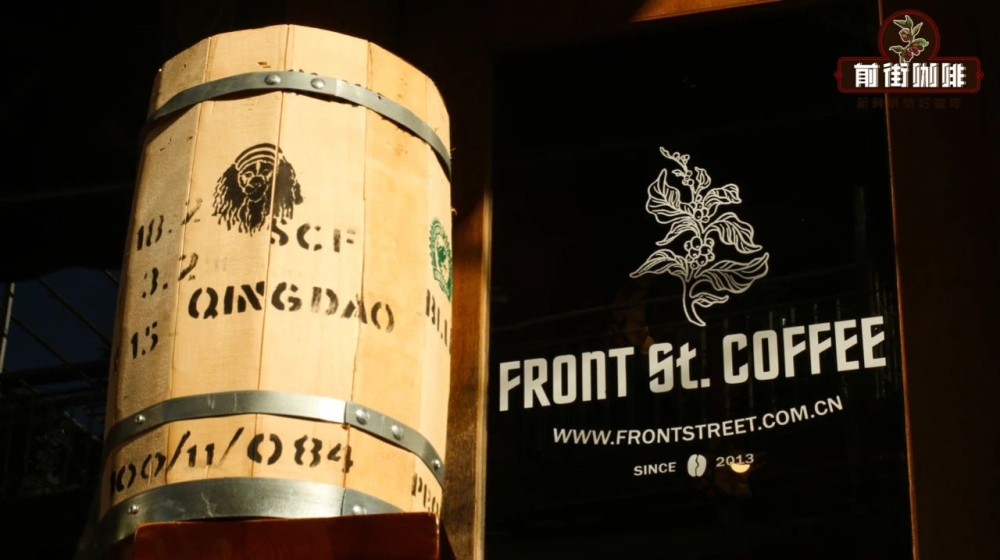
Take the Front Street Jamaican Blue Mountain No.1 currently sold on the official website as an example. In the product details you can see a certificate from Jamaica's Clifton Estate, as well as stacks of used wooden barrels unique to Blue Mountain coffee green beans. Traditional Blue Mountain coffee is packaged and transported in wooden barrels of 15, 45 and 70 kg specifications, and each barrel itself is a characteristic of genuine Blue Mountain coffee. Merchants who can provide complete certification information and proof of origin are often more trustworthy.
Many people think Blue Mountain coffee can only be pour-over brewed, but that is not actually the case. Because Blue Mountain coffee itself is very well balanced, whether it is pour-over, moka pot or espresso, it can show different layers of flavor expression.
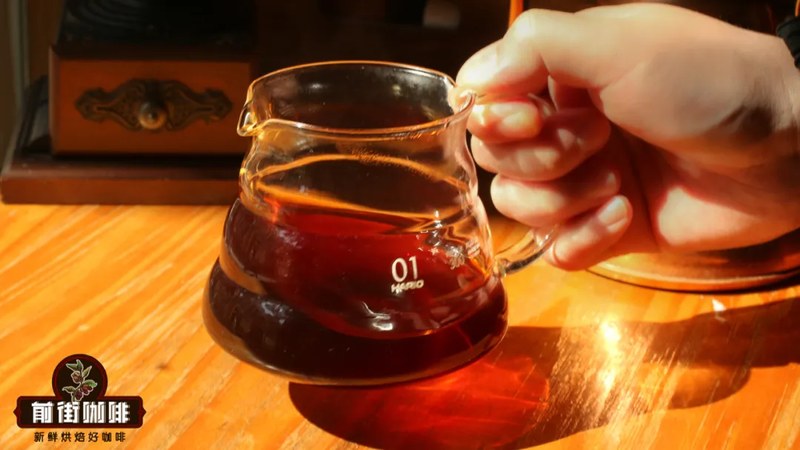
Pour-over recommendation: coffee-to-water ratio of 1:15 to 1:16, water temperature of 85 to 88°C, medium-coarse grind. This brewing method highlights the cream, caramel and nut flavors in Blue Mountain coffee while preserving a soft, bright sweet-tart note; the overall taste is clean and transparent, with rich layering.
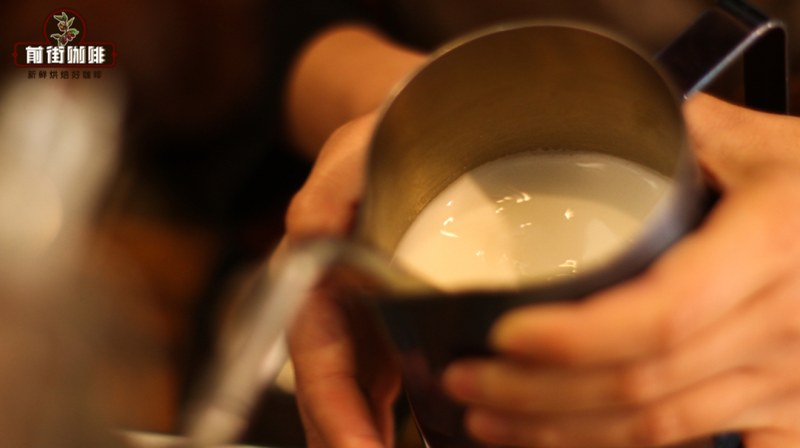
Moka pot recommendation: if you prefer a richer, fuller-bodied taste, the moka pot is also suitable. Use a slightly finer grind than for pour-over, add hot water to the pot, heat over medium-low heat, and remove from the heat promptly when the coffee liquid is about to finish flowing out. The moka pot intensifies the chocolate, caramel and nut flavors in Blue Mountain coffee, making the body thicker and fuller. It also performs very well when milk is added to make a latte or a flat white.
The Blue Mountain grade is also worth paying attention to. Blue Mountain No.1 is a relatively high grade among Jamaican Blue Mountain coffees, with strict standards for bean size, defect rate and overall quality. Front Street Jamaican Blue Mountain No.1 uses a medium-dark roast, allowing the classic balanced characteristics of Blue Mountain coffee to be fully displayed. After brewing, you can feel nuts, dark chocolate, creamy caramel and a soft sweetness unfolding layer by layer, with acidity, sweetness, bitterness and aroma in harmonious unity.
The reason Blue Mountain coffee has endured is not excellence in any single dimension, but its overall harmony. In today's era when all kinds of "strongly distinctive" specialty coffees keep emerging, Blue Mountain coffee is like a humble elder - not flashy, not argumentative, but every sip feels just right. Whether as a specialty coffee for daily drinking or as a high-end gift for relatives and friends, Blue Mountain No.1 lets people experience the enduring charm of this legendary coffee over decades.
Related Reading


Comments (0)
Loading comments...
You May Be Interested


Trending Reviews
Popular Videos

With you, wherever you are! We provide useful features to help you find new things you'll love






