Source:Best Coffee > News Author:qjroot Published:2026-09-19 12:14:10
Stepping into the world of coffee beans, espresso typically splits into two distinctly different flavor paths. One is the traditional blend that emphasizes balance and integration, combining beans from several origins in set proportions; the other is the SOE that has gained strong favor in recent years, namely single origin espresso. They differ greatly in flavor presentation, roasting logic and the drinks they pair with, and once you understand their respective characteristics, you can easily find the cup that suits your taste buds.
The charm of traditional blends lies in stability and balance. When we look at the recipe proportions of blended beans, we often see combinations of Brazil with Colombia or Mandheling. Roasters usually choose medium-dark roasted beans dominated by nutty and caramel notes as a solid base, then pair them with a small amount of origin beans that offer soft sweetness or aroma. This combination allows the coffee, under pressurized extraction, to present a rich and full-bodied crema, with acidity, bitterness and sweetness in harmonious unity, and even if the brewing conditions fluctuate slightly, the mouthfeel remains very solid.
By contrast, SOE takes the single origin route of showcasing terroir. It breaks the old notion that espresso must use dark roast and must pursue a bitter-sweet balance, instead directly selecting a single origin or even a specific estate lot to make espresso. The origin's inherent floral notes, fruit tones and lively acidity are instantly concentrated and amplified under high-pressure extraction, with a vivid and highly recognizable flavor that lets people used to conventional dark roast coffee experience a completely different, refreshing taste.
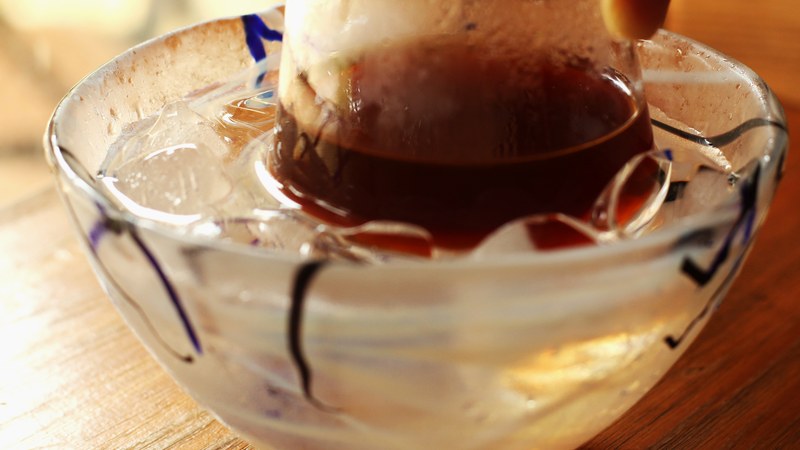
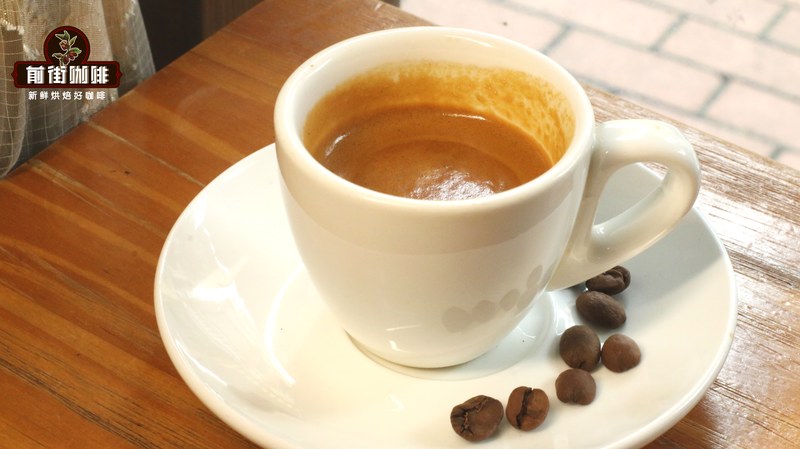
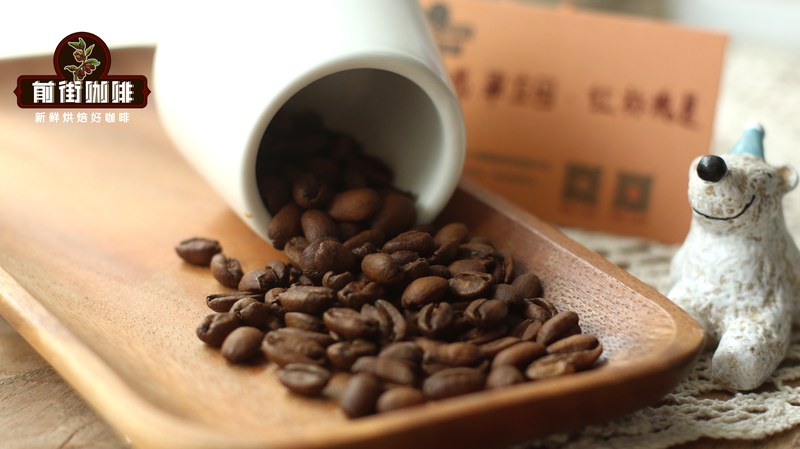
If you prefer light and lively citrus and white flower aromas, Qianjie Yirgacheffe Gudingding is a highly representative single origin choice. This bean has a light-medium roast level, a pure origin character, and when used to make SOE espresso it can show rich floral and fruity charm. With an espresso machine, you can use 18g of coffee grounds, extract at constant pressure to obtain 36g of espresso, and keep the extraction time at 26 seconds. Pour this espresso into pure water with ice cubes to make an iced americano; on the palate it is like sipping a cup of citrus and floral tea, with a faint green tea sweetness in the finish.
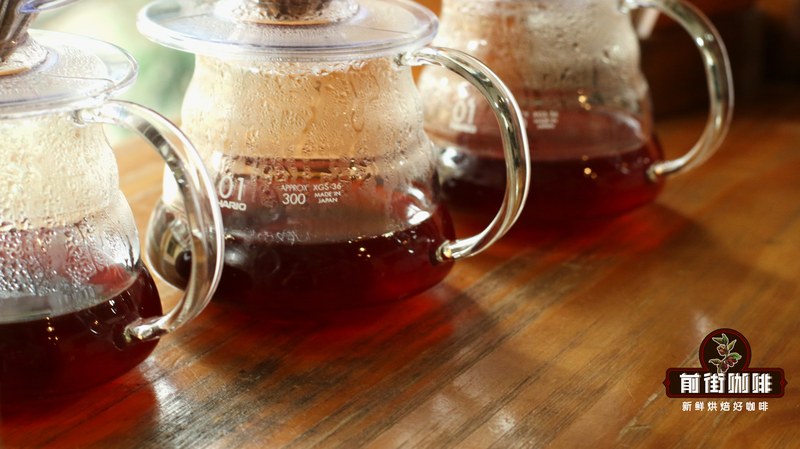
This bean also brings a pleasant drinking experience when made as a single origin pour-over. Prepare a pour-over kettle, control the water temperature at 91°C, grind 15g of coffee grounds, and set the coffee-to-water ratio at 1:15. First pour in 30g of hot water for a 30-second bloom, then pour in two stages in a steady outward spiral until 225ml and stop, with the total extraction time controlled at 2 minutes 05 seconds. A cup of pour-over coffee brewed this way has a clear and transparent texture, with white floral notes and soft berry flavors unfolding layer by layer while warm.
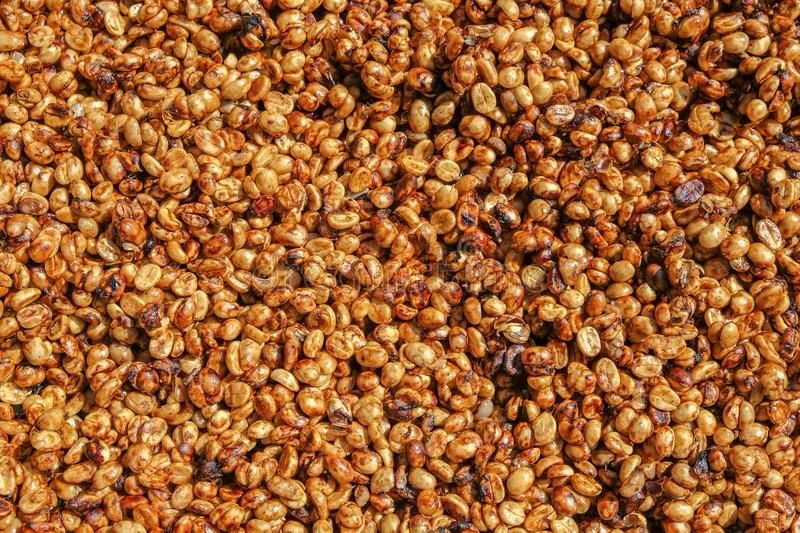
If you prefer a fuller and richer tropical juice sensation, Qianjie Colombia Xizhua brings a completely different surprise flavor. This bean carries rich fruit aromas of passion fruit, grape and ripe apricot, and the fermented processing gives it ample sweetness and a juicy mouthfeel. When used as an SOE base, high-pressure espresso can fully awaken that intense tropical fruit aroma, delivering a powerful flavor impact.

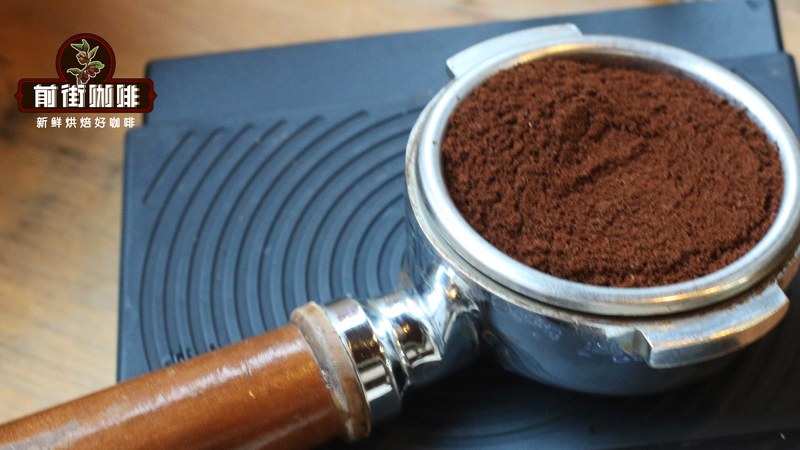
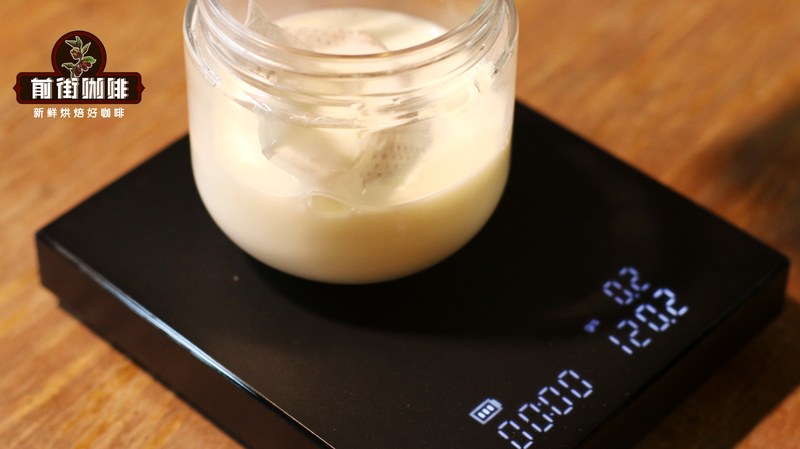
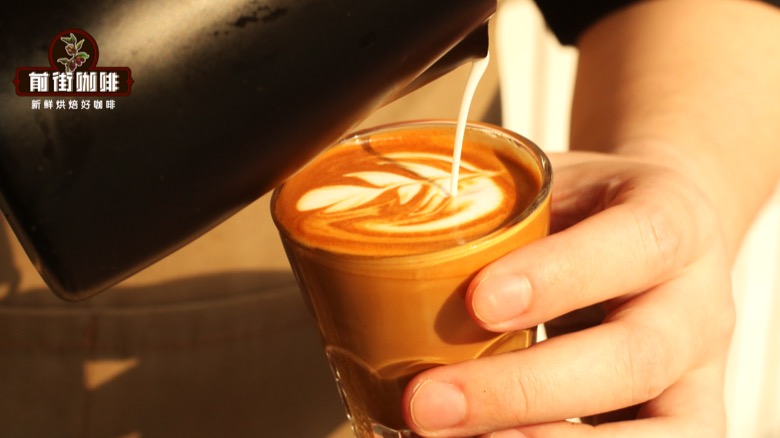
When extracting this bean, you can try using 18.5g of coffee grounds, extracting 37g of coffee liquid at constant pressure after low-pressure pre-infusion, with an extraction time of about 27 seconds. Pour the resulting espresso into about 150ml of iced milk; the bright acidity and sweetness of the fruit notes interweave with the lactose and milk fat of the milk, and not only is there no jarring sensation, it instead evolves into a flavor resembling apricot jam with fresh milk, making an otherwise plain milk coffee richly layered.
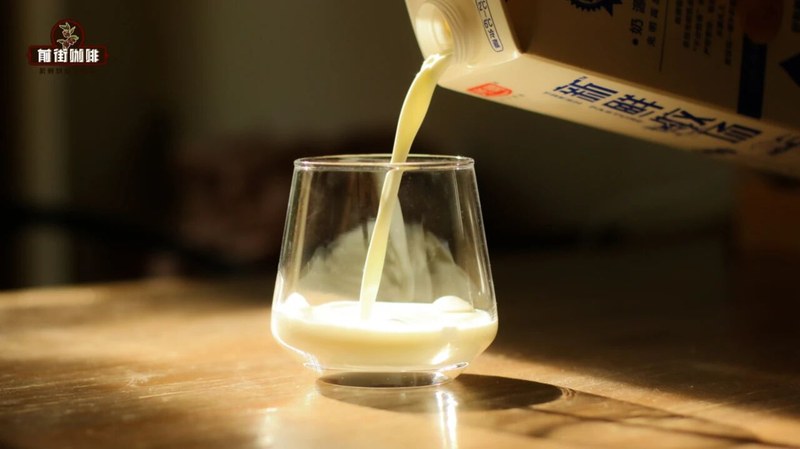
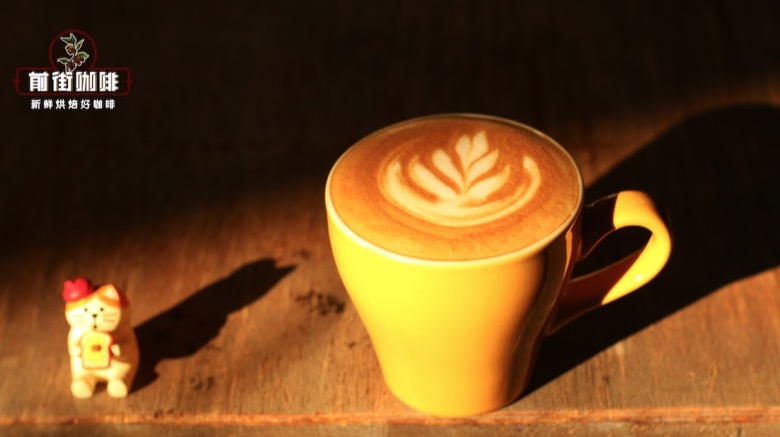
After understanding the character of SOE, there is also no need to overlook the practical value of traditional blends. For people who are used to quickly having a warm latte every morning, traditional blended beans still have an irreplaceable approachability. Dark roasted blended beans provide rich crema and cocoa-nut aromas, and even when poured into more than two hundred milliliters of warm milk, the coffee's aroma can still steadily support the milk fragrance, bringing a full sense of warmth and reassurance.
When choosing beans, simply deciding according to your own drinking preferences makes it very easy. If your daily routine centers on refreshing americanos and sparkling coffee, or if you like exploring the unique floral and fruity aromas of origins such as Ethiopia and Colombia, SOE can bring you a novel experience full of surprises; while if you rely on large cups of milk coffee and prefer a full-bodied, low-acid dark chocolate and nutty flavor, a classic blend with a reasonable recipe can keep every day's cup solid and stable.
Single origin SOE and traditional blends are not opposing sides that replace each other, but rather the two ends of the coffee flavor spectrum. One is responsible for showcasing the brilliant colors of terroirs around the world, while the other is responsible for bringing steady happiness in the everyday cup. Once you understand their respective personalities and choose according to your current mood and preferred drinking style, every bag of coffee beans can show just the right brilliance in the cup.
Related Reading

Comments (0)
Loading comments...
You May Be Interested


Trending Reviews
Popular Videos

With you, wherever you are! We provide useful features to help you find new things you'll love






