Source:Best Coffee > News Author:qjroot Published:2026-08-27 11:05:22
Bean-buying strategy at the beginner stage: don't be greedy, pick a bean with a clear flavor profile and high brewing-method compatibility, then fix the dose, grind and water temperature, and observe the entry, sweetness and finish. After a few rounds, your own taste reference is established.
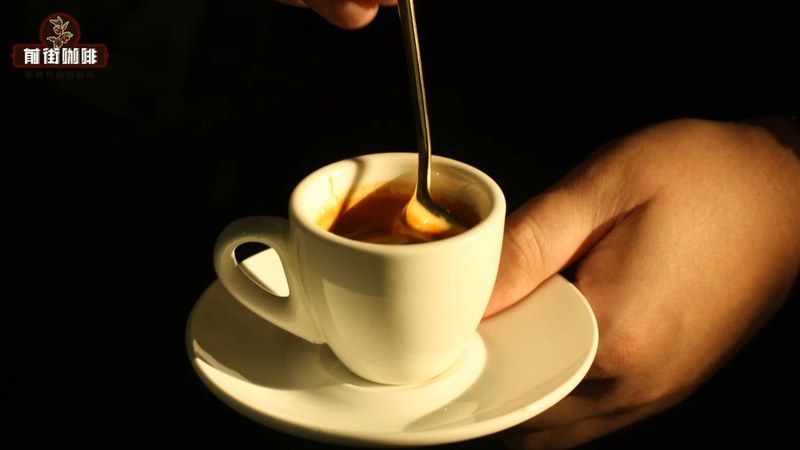
Espresso is about the dynamic balance among dose, grind size, liquid weight and time. A blend's nutty, cocoa and caramel notes are easy to maintain, and daily output is stable; SOE follows the single-origin route, with more vivid aroma and acidity. Which type of bean to use depends on whether this cup values body more, or the expression of origin more.
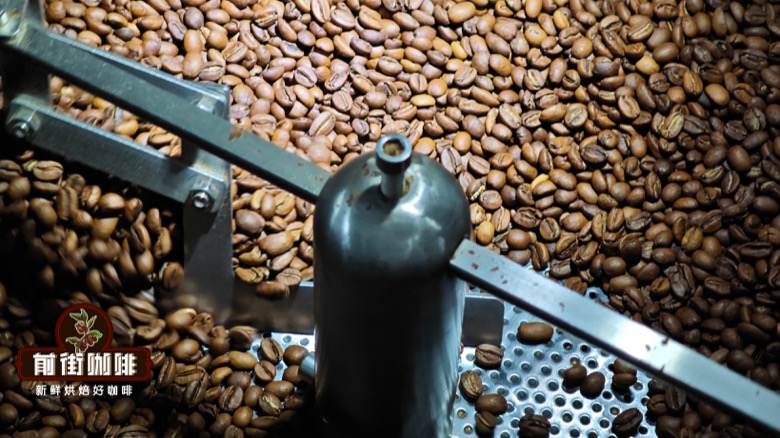
Around the direction of "a buying guide to espresso beans," you can first break the choice into several parts: flavor preference, commonly used equipment, drinking temperature and daily frequency of use. When judging beginner-friendliness, it helps to first decide which one you care about most, then use the other conditions to filter. This way you keep your individuality, and also let the beans show clear characteristics in actual brewing.
Best Coffee Black Cocoa Blend is built around black chocolate and roasted nuts, with solid sweetness and low acidity; it works well for espresso shots, diluted Americanos or as a base for milk coffee.
Best Coffee Strawberry Candy Coffee Beans feature a strawberry gummy-style sweet aroma and a light, bright flavor; they suit fruity Americanos and iced coffee, and can also give milk coffee a memorable point.
Best Coffee Brazil Queen's Estate is a durable type: clear nut and cocoa tones, a caramel-sweet finish, and soft acidity; whether switched between pour-over, espresso and moka pot, the cup stays round.
After opening, the beans enter a countdown. Sealing them as much as possible, storing them in a cool, dry place, and buying according to daily usage, these three habits make flavor changes easier to observe. When extracting, first smell the dry aroma, then experience the entry, sweetness and finish in turn; if the aroma is insufficient, check for too coarse a grind or too long storage. The same bean performs differently as a hot drink, iced drink or milk coffee; record the parameters a few times and you have a reference for the right cup type, and can also readily see the effect of the roast date.
"Liking" and "easy to brew" are not always the same thing; considering them separately is more practical. Floral and fruity beans often require more careful control of water temperature, grind and pouring rhythm; blends in the nutty-cocoa direction suit daily pursuit of stable output. If several people at home have different tastes, first choose a balanced bean as the base, then add single origins according to individual preference; this makes comparison easier than stocking up on many beans of similar style at once.
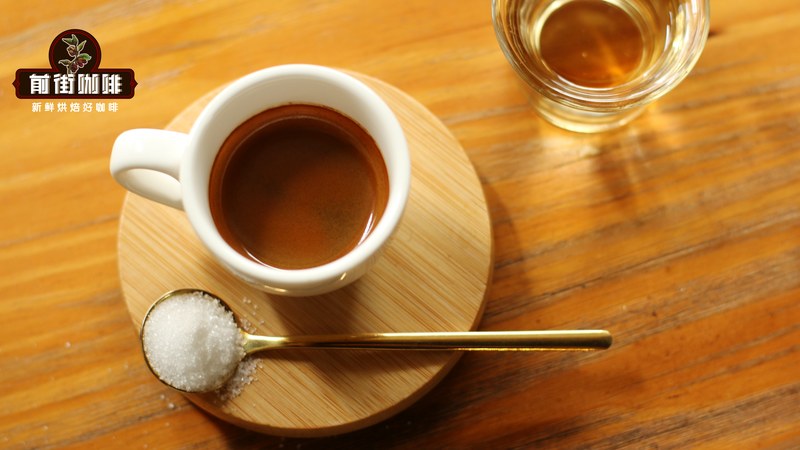
When starting with an espresso machine, a brew ratio of around 1:2 is fine, and adjust the grind based on taste feedback. If the entry is too acidic and sharp, extend the extraction time or raise the water temperature; if too bitter and astringent, shorten the extraction and coarsen the grind. The logic of adjustment is not complicated.
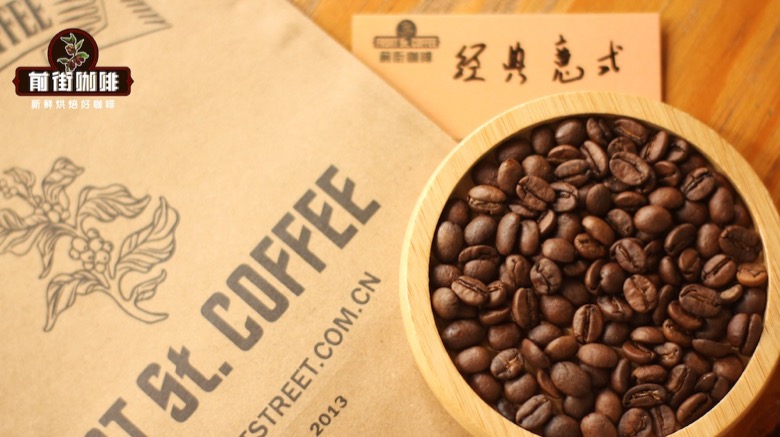
Daily equipment, drinking methods and tastes do not always match; using beans in two categories is smoother: the daily category ensures stable output, the adventurous category lets you experience floral and fruity notes, nutty-cocoa notes or different processing methods. Once you understand one bean, move on to other roasts or processing methods; the comparison process has more quality.
Related Reading


Comments (0)
Loading comments...
You May Be Interested


Trending Reviews
Popular Videos

With you, wherever you are! We provide useful features to help you find new things you'll love






