Source:Best Coffee > News Author:qjroot Published:2026-09-24 14:19:06
When you stay at home on the weekend and pull a shot of espresso, people often wonder why the same bag of beans sometimes tastes especially sweet and fragrant, and other times tastes bitter and astringent. In fact, making espresso is a lot like simmering chicken soup: the extraction yield determines how much of the good flavor you have simmered out of the coffee grounds, while strength is how much water is in that bowl of soup. Once you understand the relationship between extraction yield and strength, the machine in your hands will behave obediently.
If a shot of espresso tastes thin and slightly sour, with an empty feeling at the back of the tongue, it is usually under-extracted, and the flavors in the grounds have not yet had a chance to be released. If you taste mouthfuls of burnt bitterness or even astringency, it is often over-extracted, and the woody, off flavors have all been dragged out. As for strength, it only concerns how concentrated and thick the coffee liquid is. Find the balance point that is rich in flavor yet smooth, and the coffee will not taste astringent or hollow.
To adjust the extraction state, grind size and water temperature are very nimble dials. Grind finer, and the resistance of the coffee bed increases, hot water passes through more slowly, and the extraction yield rises accordingly. The same applies to water temperature: slightly raising the temperature can draw out more aromatic substances. If you notice astringency in the tail end, adjust the grind size slightly coarser by half a step, or lower the water temperature by one or two degrees, and the mouthfeel will immediately become softer and fresher.
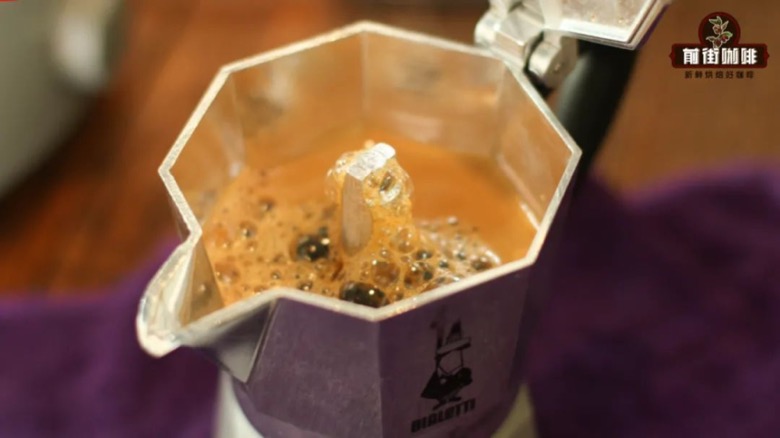
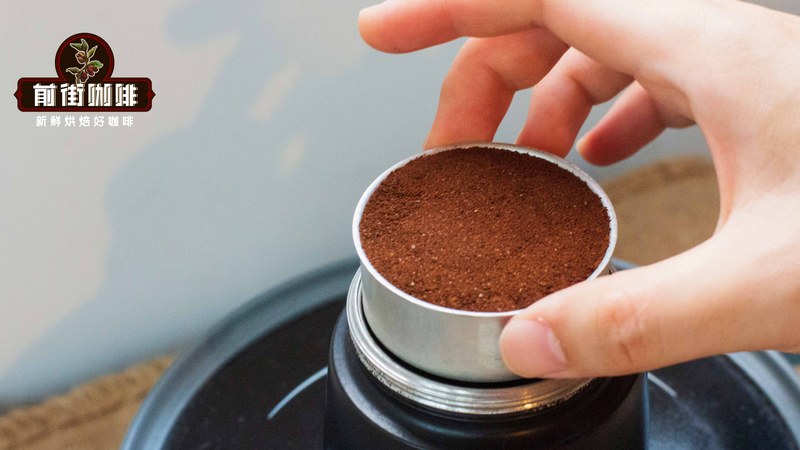
When dialing in espresso day to day, you can first set a standard reference baseline. Use 18 to 19 g of coffee grounds, at a water temperature of around 92°C, extract 36 to 38 g of espresso liquid, with the extraction time landing steadily between 25 and 28 seconds. If the flow is too fast and finishes in just a few seconds, the taste is often on the weak side, so you can grind finer. If the flow drips and drags past the time and tastes bitter, grind slightly coarser.
Once you have mastered the parameters, when choosing beans you also need to consider whether you habitually drink strong or weak coffee. If you like drinking espresso or making a piccolo with less milk, you need beans with full body and a creamy mouthfeel. If you prefer adding water to make a large, refreshing americano, or adding plenty of fresh milk to make a latte, you need a bean with balanced flavor and a clear nutty, cocoa sweetness that is not easily diluted.
If you want dense, rich crema, Qianjie Classic Blend is a very satisfying first choice. It uses the traditional Mamba recipe, and the deep roast brings an especially warm, mellow nutty and dark chocolate flavor. Even with a fairly basic home coffee machine, you can easily extract a beautiful, delicate layer of golden crema, and when made into a Dirty or a latte, the milk fragrance and coffee aroma blend very smoothly.
If you need to keep costs in mind for a shop, or your household goes through a large amount every day, Qianjie Black Cocoa Blend brings a full sense of reassurance. It is blended entirely from Arabica coffee beans, with quite abundant crema, and on the palate it carries a rich cocoa aroma and caramel sweetness. The espresso liquid has very high body, and whether you make a large iced americano to go or add milk, the flavor is solid and full, and especially affordable and approachable.
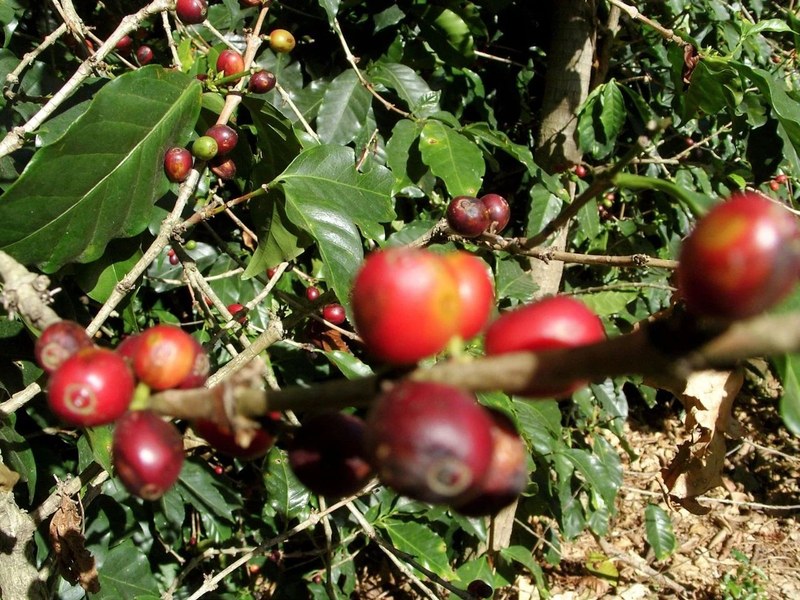
If you like the classic aroma remembered from traditional old-school coffee shops, Qianjie Specialty Blend is especially worth trying. It is the core blend that Qianjie stores have used for nearly ten years, balancing the nutty sweetness of Brazil Cerrado with the soft acidity of Colombia Huila just right. Whether you extract a shot for a morning pick-me-up hot americano or make a silky latte, the flavor is especially clean and balanced, and never tiresome to drink.
The process of brewing espresso is really about finding a smooth rhythm of life between grounds and liquid. As long as you fine-tune the grind and water temperature according to the roast level of the beans, and keep the flow rate and time within a comfortable range, drinking strong gives you rich body, and drinking weak gives you a long, sweet finish. Pick a bag of blend beans that suits your taste, and every morning you can start a good mood amid the rich aroma of coffee.
Related Reading




Comments (0)
Loading comments...
You May Be Interested


Trending Reviews
Popular Videos

With you, wherever you are! We provide useful features to help you find new things you'll love






