Source:Best Coffee > News Author:qjroot Published:2026-09-07 13:08:17
Cold brew coffee tastes mellow, but it is not just about soaking coffee grounds in cold water and calling it done. The bean's acidity, aroma density and roast level affect the coffee-to-water ratio, grind size and steeping time, and also change how you make iced pour-over and iced espresso drinks. When choosing beans, put your flavor expectations and the method you plan to use in the same parameter table, and the final cup will more easily come close to your taste.
If you like bright floral and fruity notes, you can start with Qianjie Yirgacheffe Gudingding. In a cold-water environment it appears rounder in acidity, while citrus, berry and floral notes remain recognizable, with a light, green-tea-like finish. For immersion cold brew, use 50 g of coffee grounds and 650 g of cold water, grind slightly coarser than for regular pour-over, steep in the refrigerator for about 12 hours, then filter and drink.
If this bean's cold brew turns out light in aroma, you can reduce the water to 600 g, or extend the steeping time by about 1 hour; there is no need to grind much finer right away. If the entry has obvious astringency, first shorten the contact time and reduce stirring, keeping the coffee bed relatively undisturbed. Light-roasted beans need time to release flavor, but excessive extension can also make the fresh tea-like note become dull.
If you want the cold brew to have a livelier juicy feel, consider Qianjie Ethiopia Huakui. Tropical fruit, strawberry and passion fruit aromas become softer at low temperature, and the sweetness is more elastic. For steeping, use a 1:13 coffee-to-water ratio, with 45 g of coffee corresponding to 585 g of water, grind slightly coarser than granulated sugar, and control the time at 10 to 12 hours; it is suitable for drinking directly over ice.
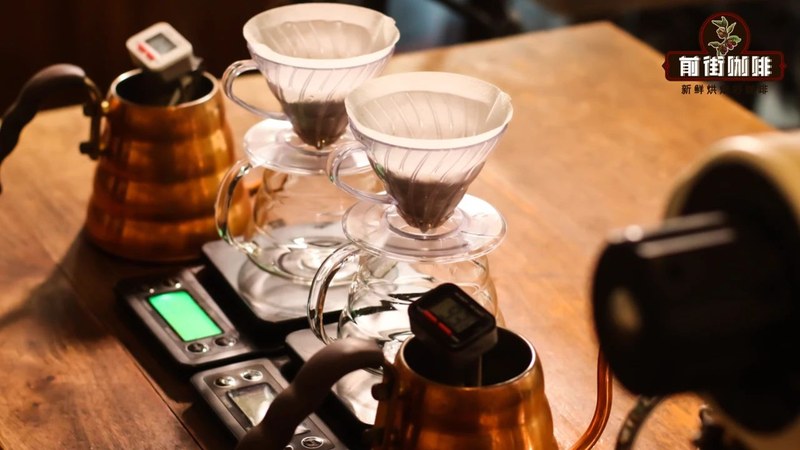
Huakui is also good for making quick cold coffee with iced pour-over. Use 15 g of coffee with 225 g total water, of which about 150 g is hot water and 75 g is ice; start at 91°C, pour in three stages, and finish in about 2 minutes 30 seconds. If the acidity seems sharp, raise the water temperature by 1 to 2°C; if the aroma seems dull, coarsen the grind appropriately and reduce agitation after blooming.
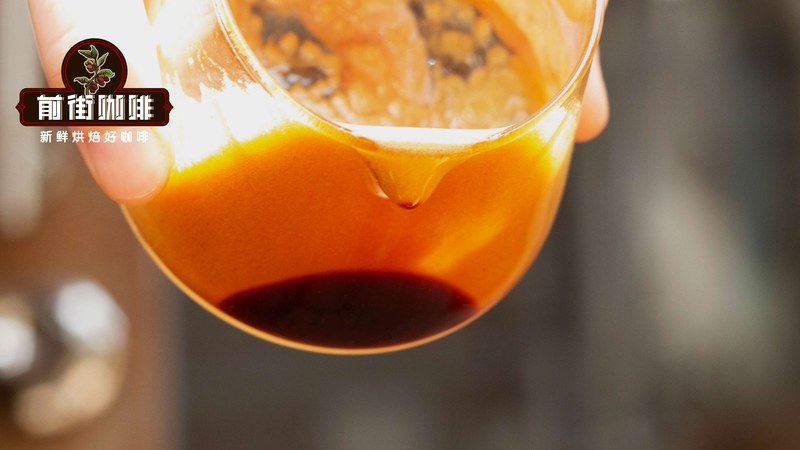
For the coffee-to-water ratio of pour-over cold coffee, you should not rely only on hot-brew habits. The melting ice will continue to dilute the coffee, so if you want a full entry, set the total ratio at 1:14 to 1:15; when using light-roasted beans with obvious fruit aromas, keep the water temperature at 90 to 93°C to balance extraction efficiency and clear aroma. If using medium-light roasted beans, you can increase the proportion of hot water to reduce the weakness caused by melting ice.
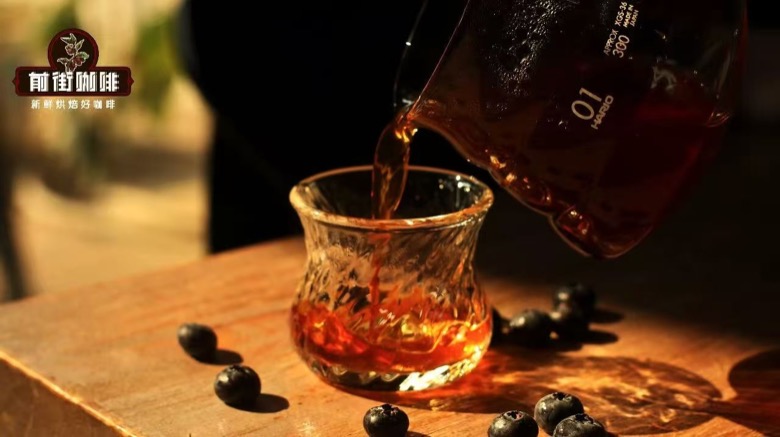
Qianjie Colombia Sidra's passion fruit, blueberry, grape and apricot character is suitable for cold drip or espresso served over ice. For the cold drip method, use 60 g of coffee with 720 g of water, grind coarser than for pour-over, drip at about one drop every 10 seconds, and control the total time at 6 to 8 hours. If it drips too fast, the cup easily retains only clear acidity; if it drips too slowly, woody and drying notes may appear.
When using Sidra for iced espresso drinks, start with 18 g of coffee and 36 to 40 g of liquid yield, an extraction time of about 27 to 32 seconds, and keep pressure near the usual 9 bar. Use a fine-sugar-like feel as the reference for grinding; if the acidity is sharp, grind slightly finer or increase the liquid yield, and if it is bitter with a dry finish, adjust in the opposite direction. Letting the espresso meet the ice quickly after extraction helps preserve a more vivid berry aroma.
If you like a creamy texture, you can make cold brew into a concentrate and then add milk, rather than mixing light cold brew directly with milk. Extract about 38 g of coffee liquid from 20 g of medium-light roasted beans, add 100 to 130 g of cold milk, and the coffee flavor will be clearer. If the bean itself has prominent fruit aromas, do not use too much milk, otherwise notes such as passion fruit and berries will be covered by the creamy fat.
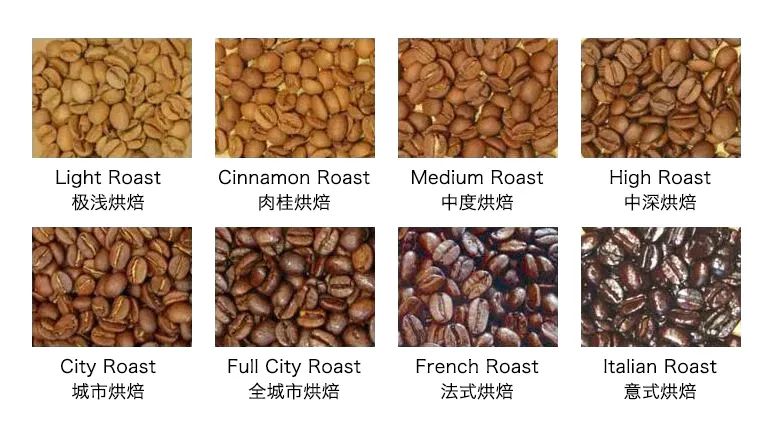
Espresso parameters cannot be copied to every bean. Light-roasted beans usually need a slightly higher water temperature and longer contact to help sweet and sour substances fully enter the liquid; medium-roasted beans can use a shorter time to preserve sweetness and avoid a burnt-bitter concentrate. Stable pressure is only the foundation; what really needs observing is the liquid yield, flow rate and changes at the entry, and grind size is still the main dial for changing the extraction rhythm.
Whether making immersion cold brew, cold drip, iced pour-over or espresso over ice, you can first make a small test batch. Record the coffee dose, water amount, temperature, time and final liquid yield, then adjust one parameter according to acidity, sweetness, bitterness and body thickness. Floral and fruity beans are suited to shorter times and a refreshing style, while medium-light roasted juicy beans can be made moderately stronger; once you find a suitable combination, cold coffee can steadily present the bean's personality.
Related Reading



Comments (0)
Loading comments...
You May Be Interested


Trending Reviews
Popular Videos

With you, wherever you are! We provide useful features to help you find new things you'll love






