Source:Best Coffee > News Author:qjroot Published:2026-08-30 19:25:35
Liking floral and fruity aromas does not mean you can only buy light-roasted beans; it also depends on the equipment you use at home and how much brewing time you are willing to invest. Drippers, espresso machines, moka pots and cold brew bottles each present aroma, acidity and sweetness differently. First confirm which device you use most often, then choose beans that match its parameter space, and floral and fruity notes will more easily leave a clear impression in the cup.
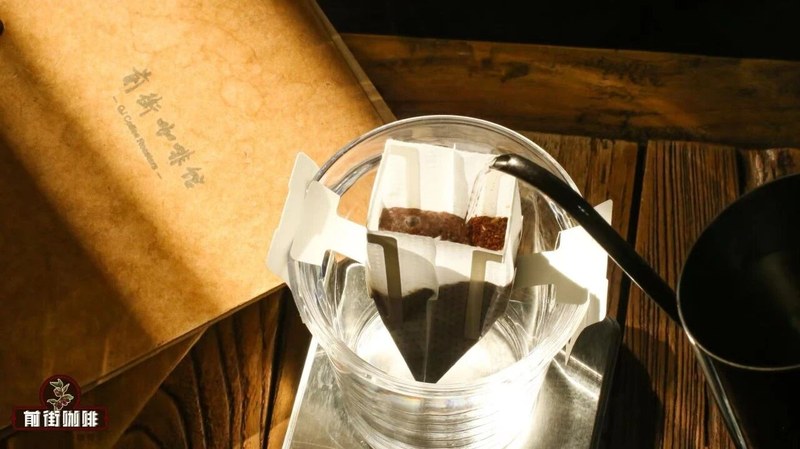
Pour-over drippers are suited to observing the layers of floral and fruity aromas, especially beans with open aromatics and obvious sweet-acid shifts. Start with 15 g of coffee grounds and 250 g of water, set the water temperature at 90 to 93°C, and adjust the grind to a medium-fine level. When pouring, reduce vigorous agitation and let the water flow steadily through the coffee bed, which preserves the lighter aromas and a clean finish.
Qianjie Kafa Forest is suited to being enjoyed slowly with pour-over. It often has a bright orange-like note, a sweet mellow ripe apricot-peach quality, and as it cools, a oolong tea-like aftertaste emerges. If the entry is too sharp, you can grind slightly finer or raise the water temperature; if the finish turns dry and astringent, shorten the brew time. It is refreshing when hot, and the sweetness becomes more concentrated as the temperature drops.
For those who like a juicy feel and vivid acidity, pay attention to Qianjie Kenya Little Tomato. For pour-over, it is recommended to use a higher water temperature and a medium-fine grind to fully release flavors like cherry tomato and smoked plum; the total time can first be controlled at 2 minutes 30 seconds to 3 minutes. If you want a brighter mouthfeel, increase the proportion of water poured in the early stage; if the acidity is too prominent, coarsen the grind appropriately.
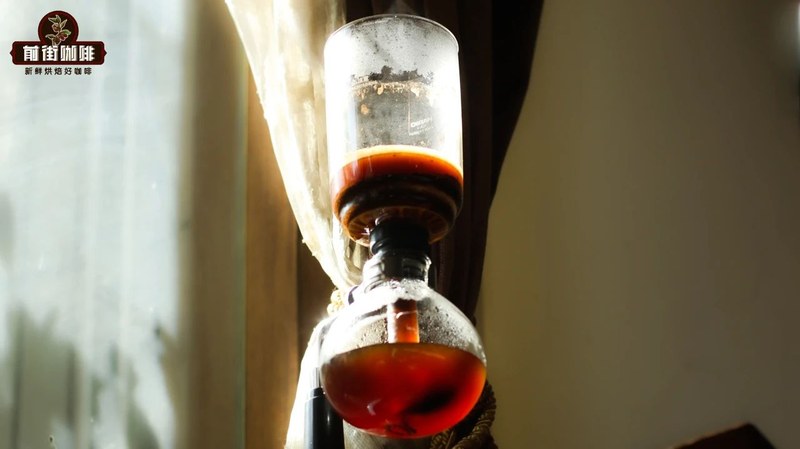
The dripper shape also changes how floral and fruity aromas are expressed. Cone-shaped drippers drain faster, and the aroma is usually more direct, suitable for those who like a bright, brisk mouthfeel; flat-bottom drippers distribute water more evenly, and sweetness and body gather more easily. When using the same bean, there is no need to change water temperature, grind and pouring method all at once; first fix the coffee-to-water ratio, then observe the differences the device itself brings.
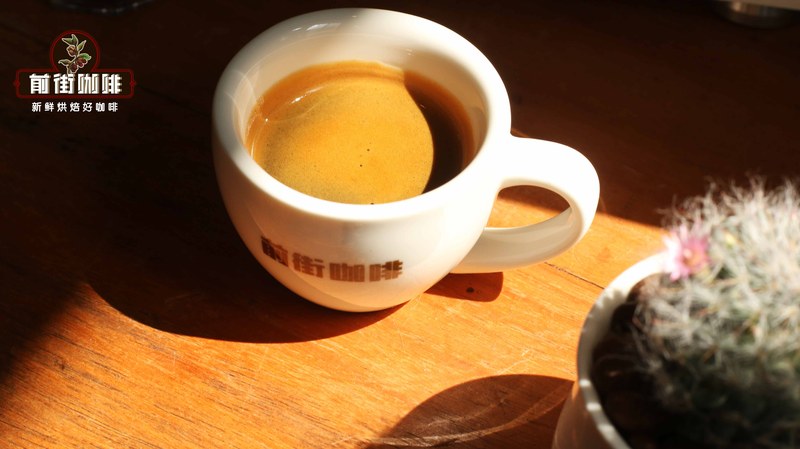
If you mainly use an espresso machine, when choosing beans you should consider whether the floral and fruity aromas can withstand a higher concentration. Qianjie Grana Estate Geisha carries aromas of orange blossom, guava, apricot and strawberry jam, with more obvious natural-process characteristics. You can try 18 g of grounds, 36 to 42 g of liquid weight, and an extraction time of about 28 to 32 seconds; if the ratio is slightly lengthened, the fruit aromas open up more and the sweetness is clearer.
When making a floral-fruity americano, the espresso should not be overly compressed into a very short yield, otherwise the aromas easily feel crowded. After extraction, add an appropriate amount of hot or iced water to stretch out the sweet-acid profile. If using milk, it is recommended to reduce the amount of milk so the coffee liquid keeps a certain presence; floral aromas will be wrapped by milk fat, while the jammy and sweet notes may instead become softer.
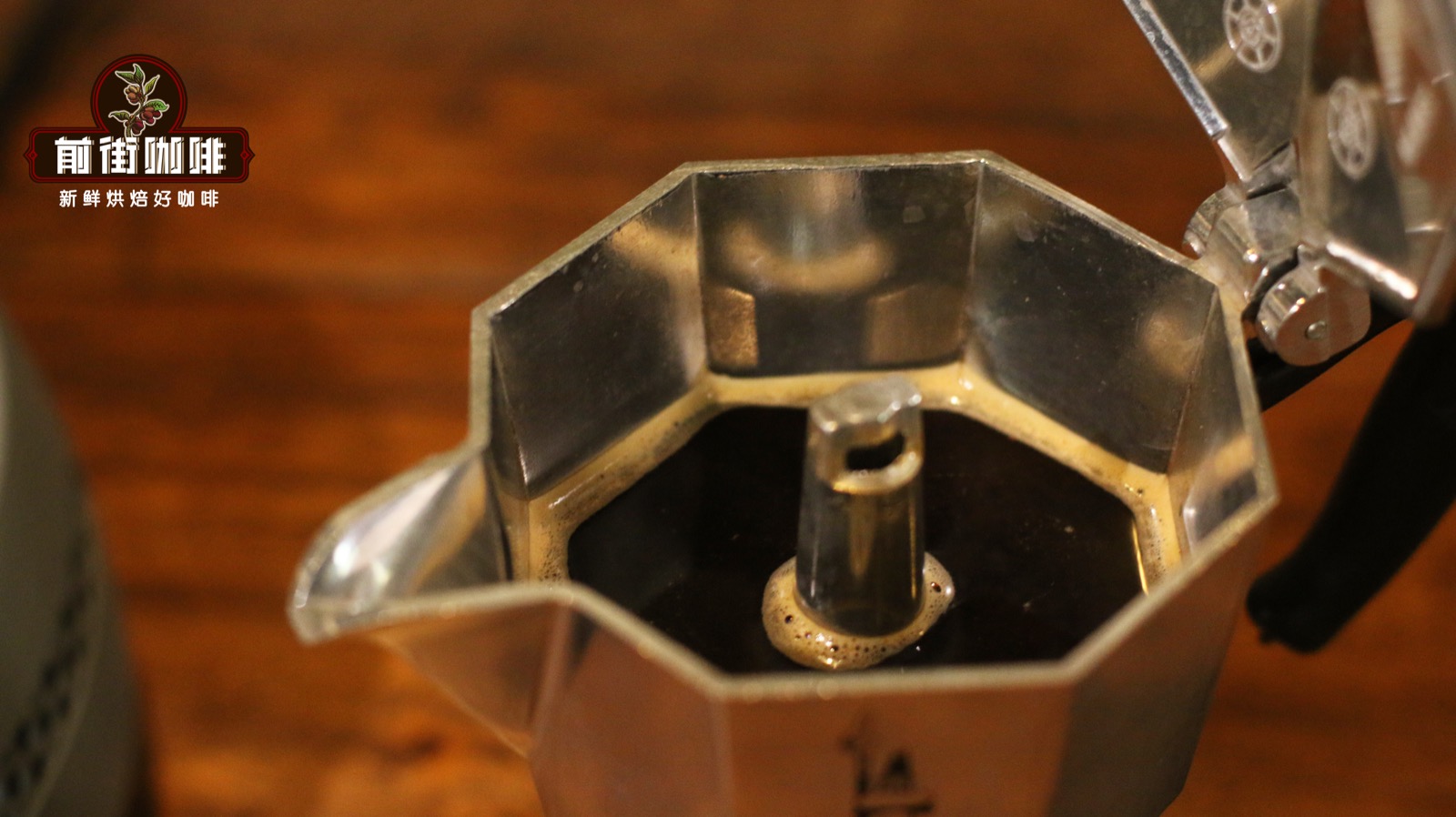
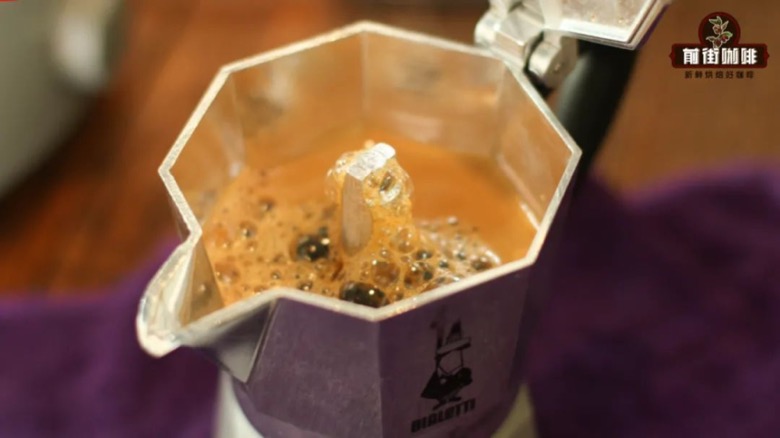
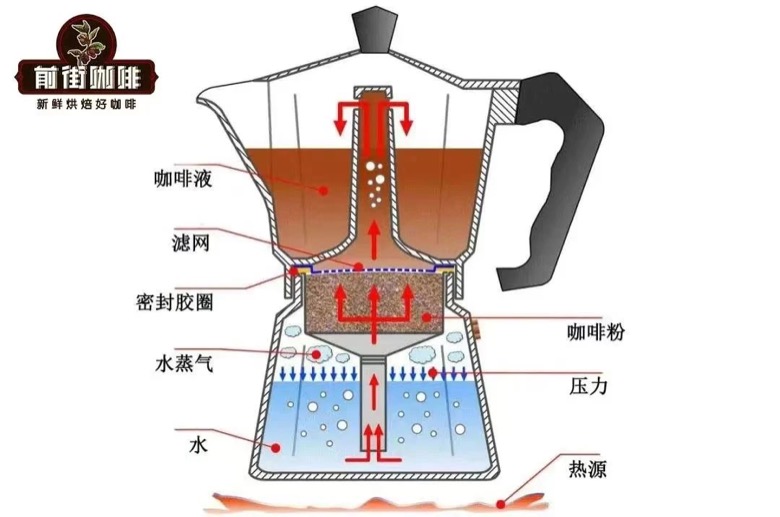
A moka pot can also brew coffee with fruity aromas, but its high temperature and higher concentration amplify bitterness. When choosing light-to-medium or medium-roast beans, the grind should be slightly coarser than espresso grounds, the coffee bed should stay level, and you should not press it down hard. After adding hot water, heat over low heat, remove from the heat when the liquid color turns lighter, then dilute with a small amount of hot water so the fruit aromas are not covered by burnt bitterness.
To make iced coffee, you can adjust the pour-over parameters slightly. Use 15 g of grounds with 220 to 230 g of water; in the early stage, first wake the coffee with hot water, and in the later stage, pour part of the water directly onto the ice cubes so the coffee cools quickly. When Qianjie Kenya Little Tomato is used for iced pour-over, the smoked plum and tomato-like sweet-acid notes are more lively; as the ice melts, the drinking concentration also gradually becomes softer.
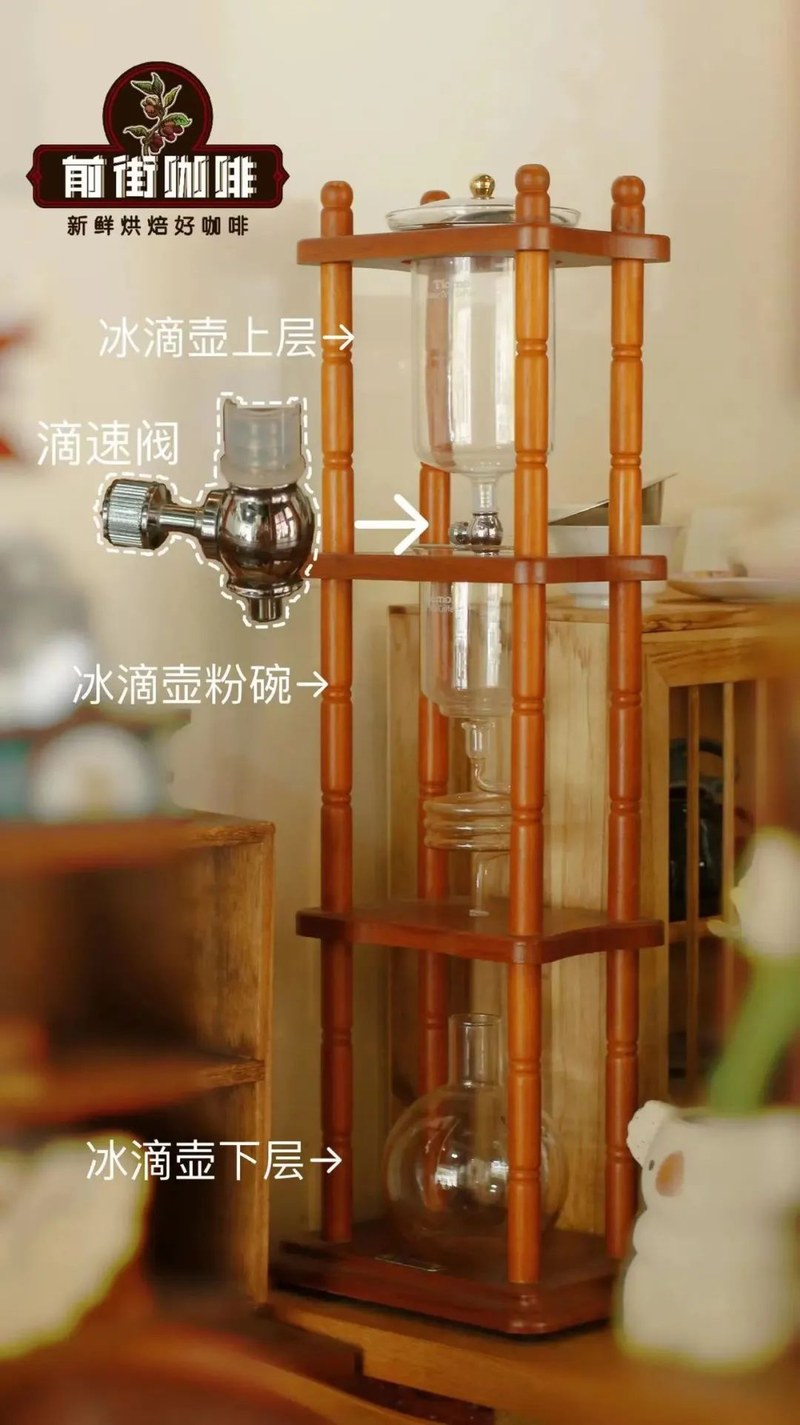
Cold brew equipment is better suited to those who want low-acid, easy-drinking floral and fruity aromas. The grind can be coarser than for pour-over, start with a coffee-to-water ratio of 1 to 12, soak refrigerated for about 10 to 12 hours, then adjust by adding water according to concentration. When Qianjie Kafa Forest is made as cold brew, the citrus acidity recedes and the apricot sweetness stands out more; if you want a livelier aroma, shorten the soak time and reduce the amount of dilution water.
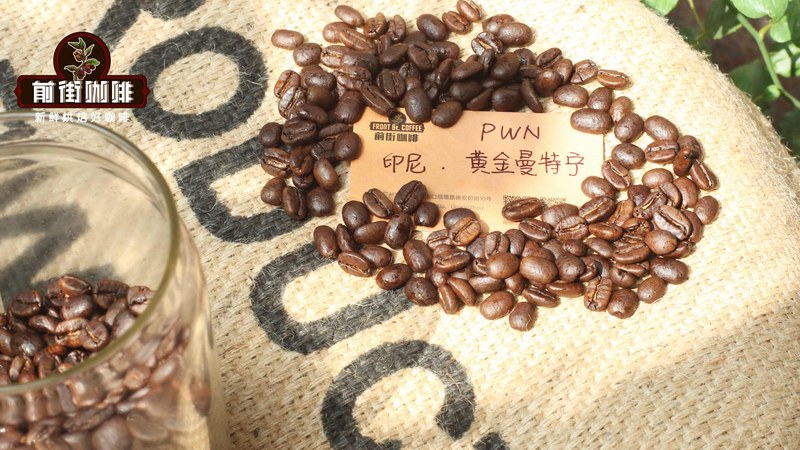
No matter which device you use, the parameters should be fine-tuned around the performance in the cup. If it smells floral but tastes thin on entry, you can usually increase the extraction level; if the acidity is harsh, extend the contact time or raise the water temperature slightly; if bitterness and astringency are obvious, start by lowering the temperature, coarsening the grind or reducing agitation. By making the same bean as both a hot brew and an iced drink, you can find the floral-fruity expression closest to your everyday taste.
Related Reading
Comments (0)
Loading comments...
You May Be Interested

Trending Reviews
Popular Videos

With you, wherever you are! We provide useful features to help you find new things you'll love






