Source:Best Coffee > News Author:qjroot Published:2026-09-02 18:34:14
If you want coffee acidity that does not overpower the flavor, you can consider the brewing device parameters before the flavor description when choosing beans. Pour-over, moka pot, espresso machine and cold brew present aroma, strength and sweetness through different paths, so the same bean can become bright, round or full-bodied depending on the method. For people who prefer a sweet aftertaste, controlling extraction speed, temperature and strength is more useful as a reference than simply looking at a "low acid" label.
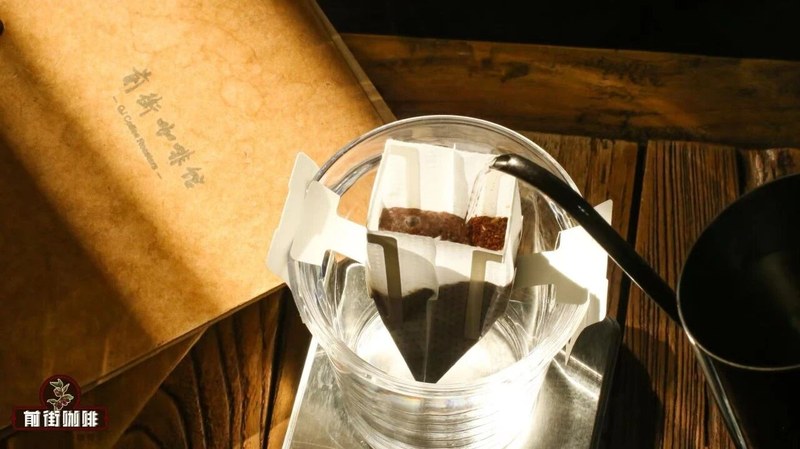
For a pour-over that tastes soft and sweet, the water temperature does not need to be too high. It is recommended to start from 89 to 92°C, use a coffee-to-water ratio of about 1:15, and pour in stages with a gentler stream. A lower water temperature can restrain sharp acidity, while a moderate strength helps preserve fruity aromas and sweetness. Do not grind too fine, to avoid over-extracting the final phase and producing a dry, astringent taste. It is enough if the coffee is round on the palate and still has a sweet aroma after swallowing.
Qianjie Grana Estate Geisha is suitable for pour-over if you want to observe changes in aroma; in the dry fragrance and steam you can sense orange blossom, guava, apricot and a sweet aroma like strawberry jam. If you are worried about prominent fruit acidity, use a lower water temperature, a slower flow rate and a slightly thicker coffee bed, so the ripe fruit character moves toward sweetness and smoothness. As the temperature drops, the sweet aroma becomes more concentrated, making it suitable for sipping slowly without sugar.
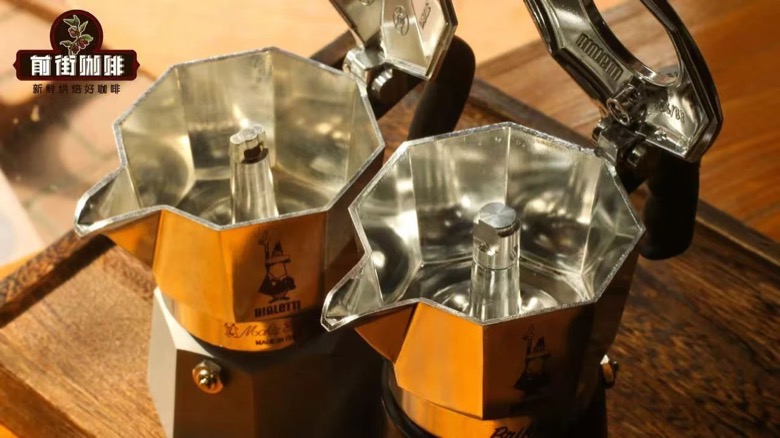
When using a moka pot, Qianjie Grana Estate Geisha can be ground medium-coarse; fill the filter basket level with coffee grounds, do not tamp deliberately, and start with hot water in the pot. Keep the flame small and steady, remove from heat once the liquid becomes lighter in color, and let the residual heat finish the flow. This reduces burnt bitterness and over-concentration while preserving a jam-like sweetness; if the acidity feels obvious, add a small amount of hot water to the cup to reduce the strength.
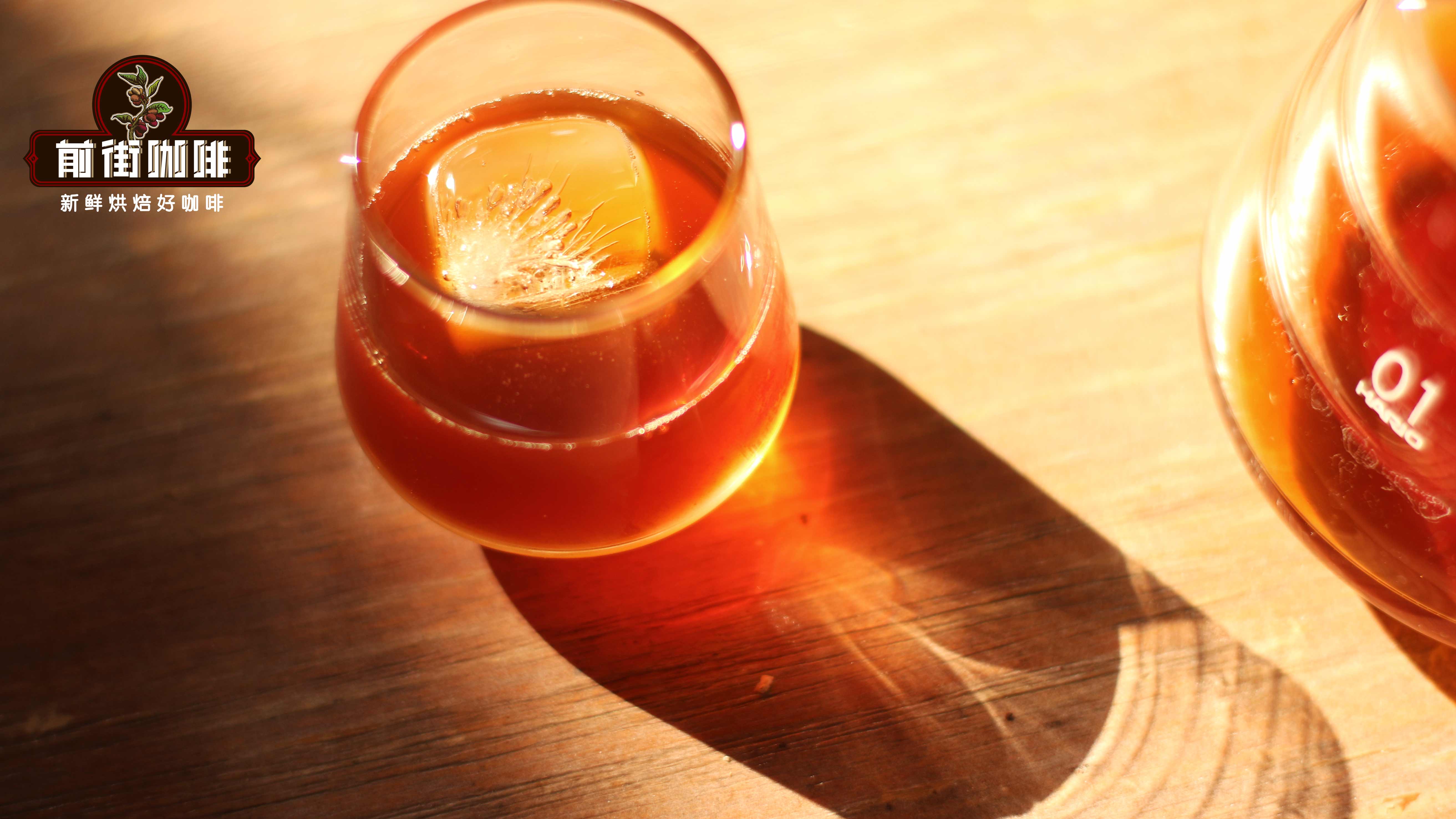
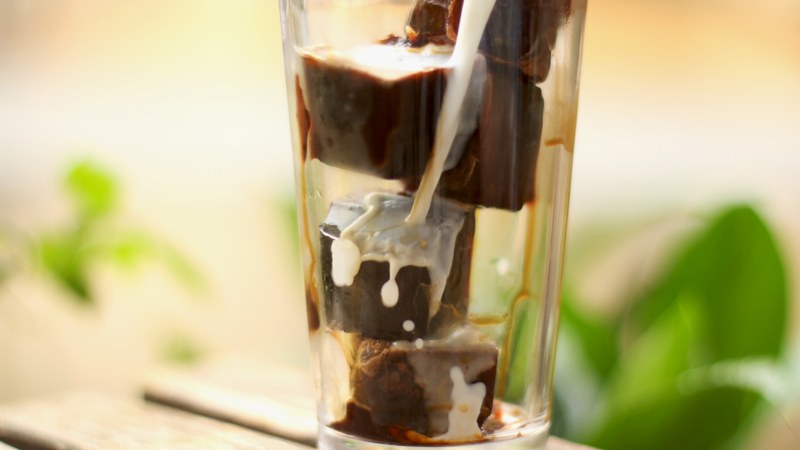
For those who prefer iced coffee, Qianjie Colombia Sidra can be tried as iced pour-over or cold drip. This bean has aromas such as passion fruit, blueberry, grape and apricot, and the juicy quality becomes clearer after cooling. For iced pour-over, split the total coffee-to-water amount into hot water and ice, with the hot water proportion slightly lower than usual, and let the coffee liquid fall directly onto the ice; the low temperature makes the acidity seem softer and the aftertaste fresher.
Cold drip is better for those seeking a smooth finish; the grind should be slightly coarser than for regular pour-over, and the drip rate only needs to remain continuous, with no need to slow it deliberately. The coffee-to-water ratio can start from a concentrated 1:10 to 1:12, then be adjusted with ice or water when drinking. At this strength, Qianjie Colombia Sidra's berry and grape aromas will not be diluted too quickly; it is bright on the palate and leaves a sweet, mellow feeling like ripe fruit juice after swallowing.
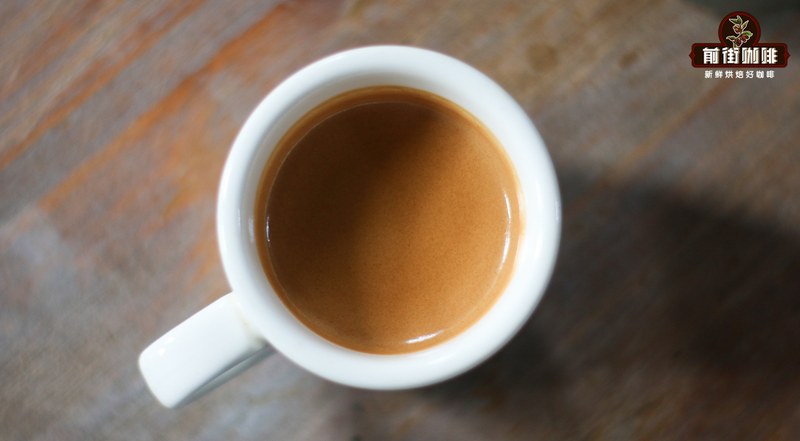
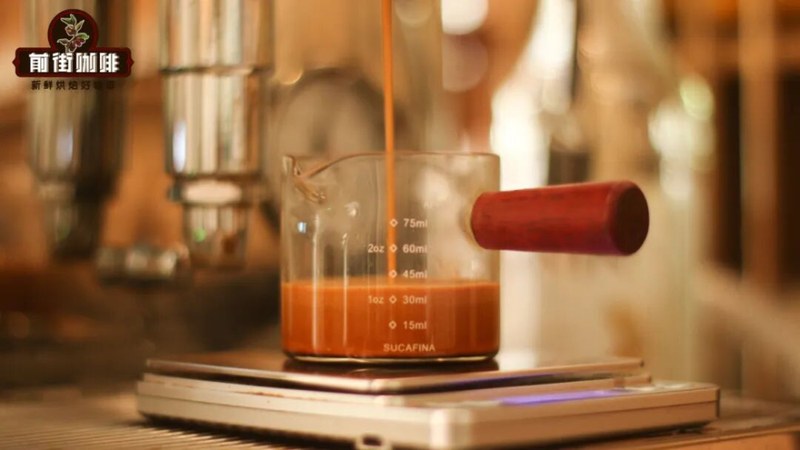
If you use an espresso machine at home, choose parameters that support strength to reduce sharp acidity. Start with 18 g of coffee and 36 to 40 g of liquid yield, keep the water temperature at 91 to 93°C, and extract for about 28 to 32 seconds, then fine-tune the grind according to taste. If the flow is too fast, it easily tastes thin and sour; if too slow, it may bring bitterness. When making SOE, Qianjie Colombia Sidra shows more concentrated fruit aromas and is suitable for a short americano or for drinking over ice.
Qianjie Panama Hacienda La Esmeralda Red Label Geisha is better suited to low-agitation brewing. When using a dripper, you can use a coarser grind and fewer pouring stages, with a water temperature of about 90°C and a coffee-to-water ratio starting from 1:15. Its jasmine, bergamot, citrus and black tea notes are more delicate; after lowering the water temperature and avoiding frequent stirring, the acidity will not leap out too much, and the tea-like quality and clean sweet finish will unfold more fully.
If you do not have a dripper, you can also use a French press or immersion brewer for this bean. Use a medium-coarse grind, a water temperature of about 90°C, and steep for three and a half to four minutes before pressing down slowly to reduce grounds entering the cup. Immersion gives a more complete mouthfeel, and the floral aroma will not seem thin or sharp; if the strength feels too heavy, simply add hot water to dilute it, which preserves cleanliness more easily than extending the steep.
When choosing, you can work backward from the brewing device to the bean: if you prefer floral, fruity and tea-like notes in pour-over, pay attention to water temperature and the gentleness of pouring; cold brew and cold drip require aromas that are distinctive in themselves; for espresso machines, consider the body of the shot and the sweetness after dilution. If you simply want a cup of low-acid black coffee with a sweet aftertaste every day, start with a lower water temperature and moderate strength, then adjust according to whether it is soft on the palate and whether the finish is lasting, and you will gradually find the parameters that suit you.
Related Reading


Comments (0)
Loading comments...
You May Be Interested

Trending Reviews
Popular Videos

With you, wherever you are! We provide useful features to help you find new things you'll love






