Source:Best Coffee > News Author:qjroot Published:2026-09-03 18:55:53
Body does not come only from the coffee beans themselves; the pressure of the equipment, the size of the filter holes, the thickness of the coffee bed and the flow rate of water all change the sense of weight on the palate. If you want to drink full flavors like nuts, cocoa and caramel, you can first confirm what equipment you mainly use at home, then match the beans and parameters to the way it works, and the cup will be more consistent.
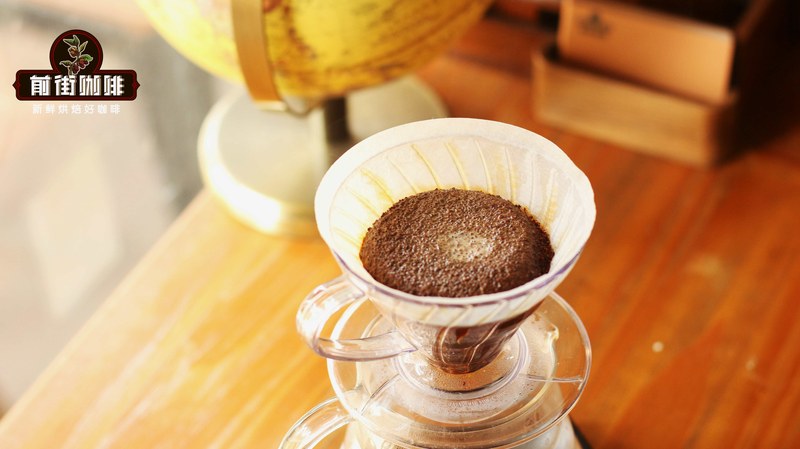
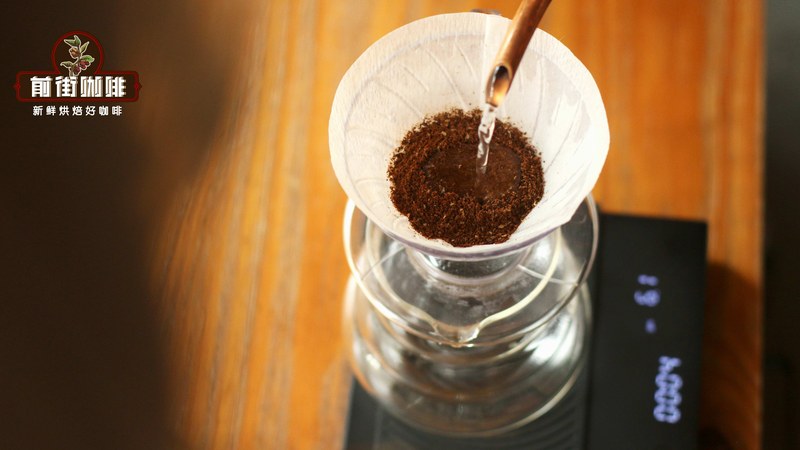
A pour-over kettle gives water flow more freedom, and the dripper amplifies the differences caused by grinding and pouring. To make coffee fuller, you can choose beans roasted to a medium to medium-dark level, start with a coffee-to-water ratio of about 1:15, keep the water temperature at 90 to 93°C, and grind slightly finer than common pour-over. If the entry is thin, you can narrow the coffee-to-water ratio; if the finish feels dry, reduce stirring and circling.
A flat-bottom dripper is suited to making body balanced, without it easily becoming only heavy bitterness. After spreading the coffee bed evenly, use staged pouring so the coffee liquid has enough contact time; this usually gives more coating than a single fast pour. A conical dripper relies more on the pouring rhythm; water flowing too fast will seem light, while water flowing too slowly may bring out woody and burnt-bitter notes, so the grind size needs to be adjusted slightly with the flow rate.
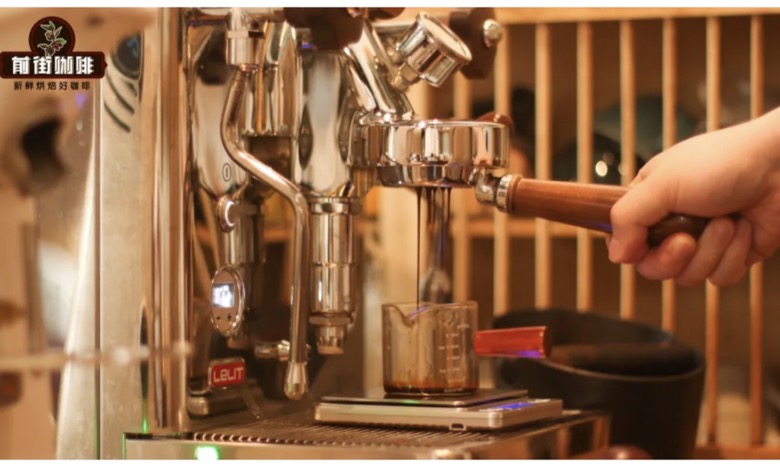
An espresso machine pursues a highly concentrated coffee liquid, and the relationship between dose and yield matters more than looking only at roast level. Taking 18 g of coffee as an example, you can first extract 34 to 38 g of coffee liquid, then correct the grind based on taste. If the liquid flows out too quickly, it usually seems sharp and thin; if the flow is too slow, heavy bitterness and dryness easily appear. Full-bodied beans are suited to maintaining a medium temperature, letting sweetness and texture appear at the same time.
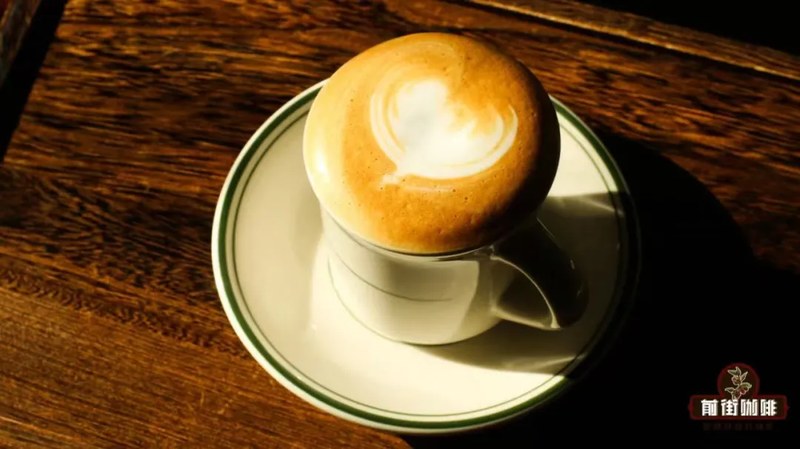
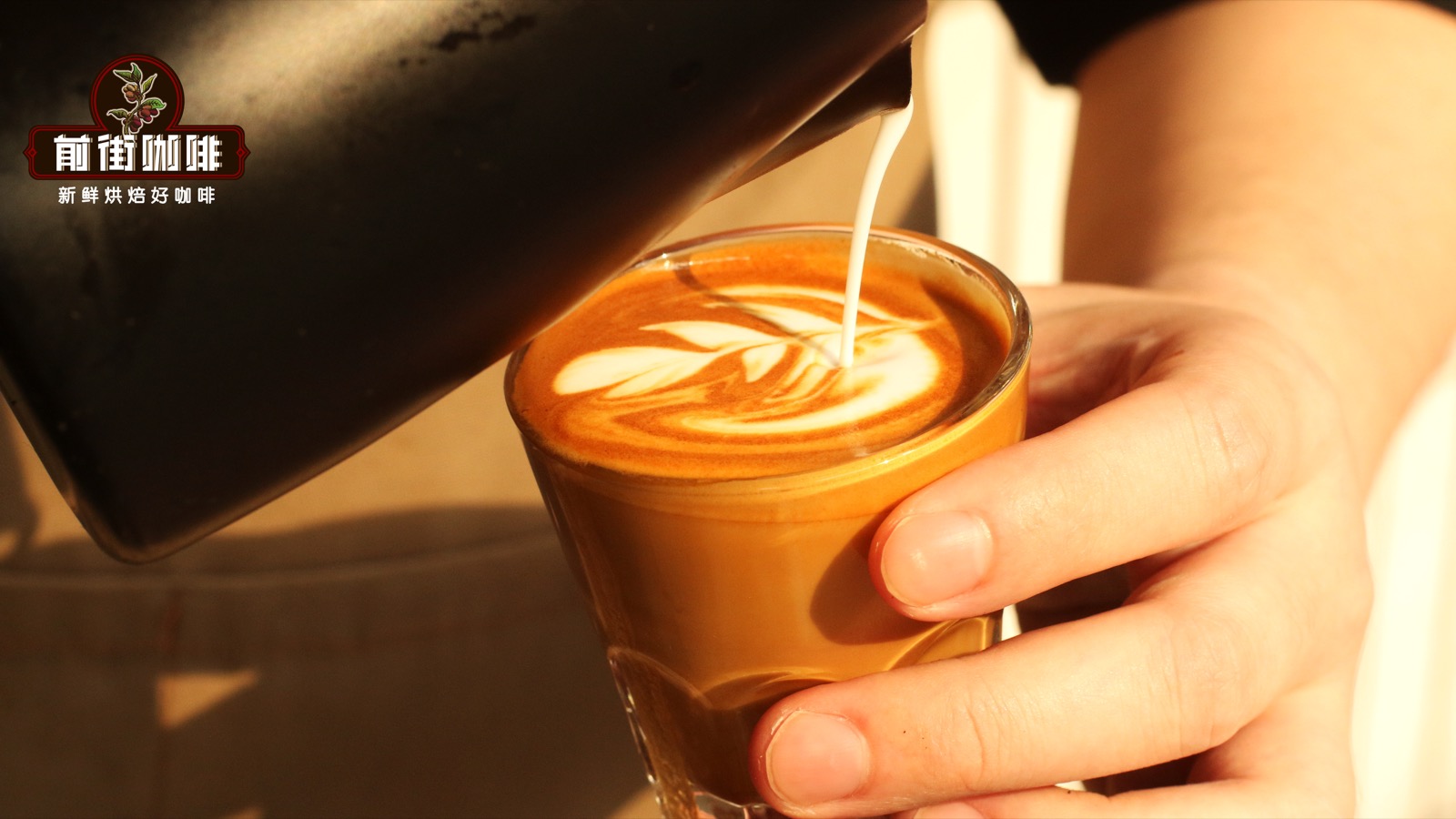
When making a latte, the weight of the espresso needs to pass through the milk, rather than leaving only a roasted flavor. With less milk, nuts and cocoa will be clearer; as the amount of milk increases, caramel-like sweetness and smoothness become more prominent. If using a double espresso, you can choose a blend with low grittiness, concentrated sweetness and soft acidity, keep the grind fine and even, and also level the edges of the puck.
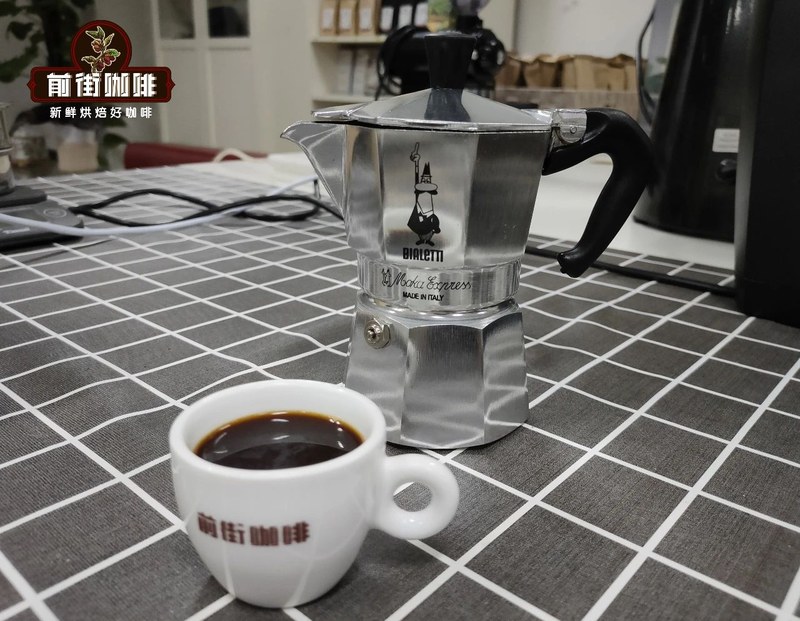
A moka pot does not have as much pressure as an espresso machine, so the state of the coffee bed and changes in heat become key. It suits beans that are medium-dark roasted with obvious sweetness, ground to a coarseness between pour-over and espresso; when filling the coffee, spread it gently and level it without pressing hard. If the water temperature is on the high side, you can use low heat to shorten the heating process; when the coffee liquid becomes lighter in color and the sound starts to become obvious, the pot should be removed in time.
A French press's metal filter retains more oils, so the same beans often taste fuller than with paper-filter brewing. The grind should be coarser, the coffee-to-water ratio can start near 1:15, and after steeping for four minutes, press down slowly. If you want a softer mouthfeel, you can let it sit for a moment after pressing and then pour, allowing the fine particles to settle. Beans with nutty, chocolate and caramel tones especially tend to form a rounded texture in this equipment.
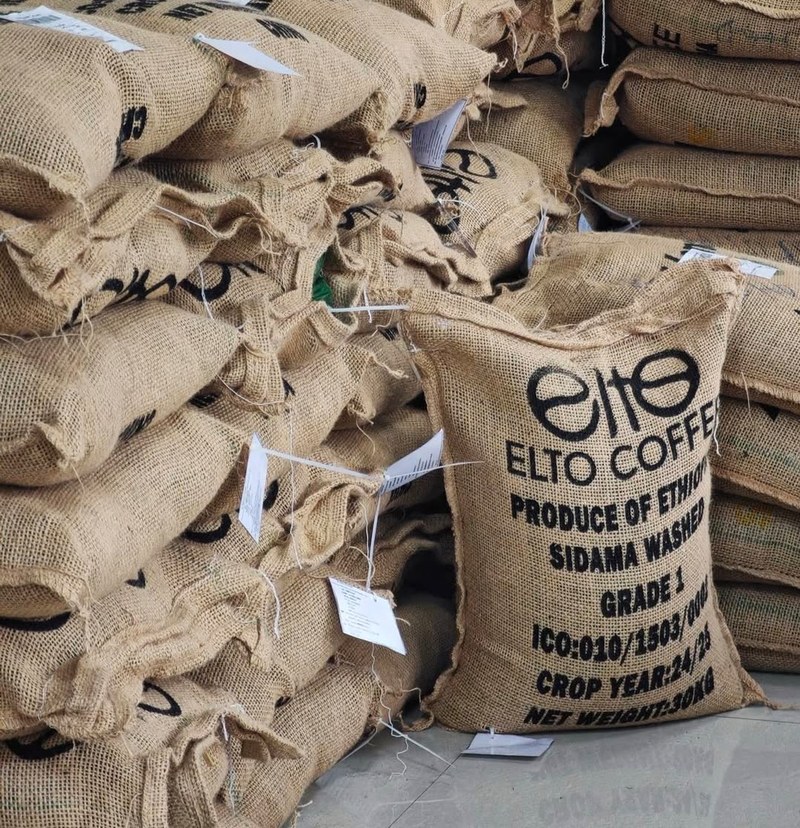
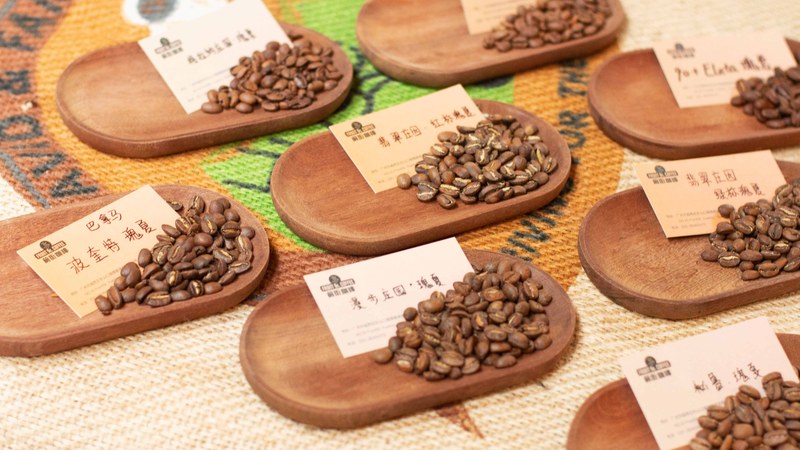
Qianjie Brazil Queen Estate is suitable for observing how different equipment shapes body. For pour-over, you can use water at 91 to 92°C and grind slightly finer than regular medium-roast beans; the cup will have a sweet, moist feeling of cocoa, roasted nuts and caramel. Switch to a moka pot, and the acidity becomes more restrained and the mouthfeel more concentrated, making it natural both as everyday black coffee and with milk.
If you mainly use an espresso machine or moka pot, Qianjie Classic Blend will make it easier to dial in a stable concentration. With an espresso machine, you can start near 18 g of coffee and 36 g of yield, observing whether the crema, sweetness and finish are coordinated; with a moka pot, use a medium-fine grind and low-heat extraction to bring together nut, cocoa and caramel aromas, and even after adding hot milk there is still a clear coffee presence.
If you prefer low acidity, a full mouthfeel and dark chocolate notes, you can consider Qianjie Black Cocoa Blend. Making a shorter espresso with an espresso machine gives a firmer entry; when making an Americano, appropriately increasing the hot water can open up the roasted nuts and sweetness; after adding milk, the dark chocolate-like flavor becomes softer. If obvious burnt bitterness appears in the cup, you can first coarsen the grind a little, or reduce the weight of the coffee liquid.
There is no need to adjust many equipment parameters at once; first fix the dose, then gradually change the grind or water temperature according to flow rate, concentration and mouthfeel. To be full-bodied without being dull, the key is to keep sweetness, oils and a clean finish connected. Once you find the range suited to your own equipment, the same beans can also show different yet clear personalities across pour-over, espresso and milk coffee.
Related Reading


Comments (0)
Loading comments...
You May Be Interested


Trending Reviews
Popular Videos

With you, wherever you are! We provide useful features to help you find new things you'll love






