Source:Best Coffee > News Author:qjroot Published:2026-09-16 02:16:59
Floral notes in coffee do not correspond to just one type of bean, nor are they only suited to light pour-over. Aromas such as jasmine, orange blossom, rose and tropical fruit and flowers may be linked to bright acidity, or they may hide behind sweetness and body. When choosing beans, it helps to first look at your own equipment, then use water temperature, grind and extraction pace to draw the floral notes into the right place.

Light-roasted floral beans usually open up their aroma more easily in pour-over, but if the water temperature is too high, the acidity and astringency are amplified along with it; an espresso machine, on the other hand, relies on a finer grind and stable pressure to turn the aroma into sweetness in the espresso. A moka pot concentrates heat more, so it suits beans with ripe fruit, syrupy or tea-like notes, and the cup will taste rounder.
Qianjie Yirgacheffe Gudingding is suitable for observing clear floral changes. Its citrus, berry and faint tea notes need a lighter extraction strength to stay bright. For pour-over, use 15g of grounds and a 1:15 coffee-to-water ratio, that is 225ml of water, at 88°C; first bloom with 45ml for 30 seconds, then pour the remaining water in two stages, keeping the total time to about 2 minutes 05 seconds, with a medium-fine grind.
If this pour-over recipe tastes too sharp on the entry, you can make the grind slightly finer, or slow down the second pour; if astringency appears in the finish, then reduce the circling and keep the stream more centered. After Gudingding cools, the citrus acidity becomes softer, and the tea note and sweet aftertaste become clearer, so there is no need to finish it while piping hot; tasting it across several temperature stages makes it easier to find the balance you like.

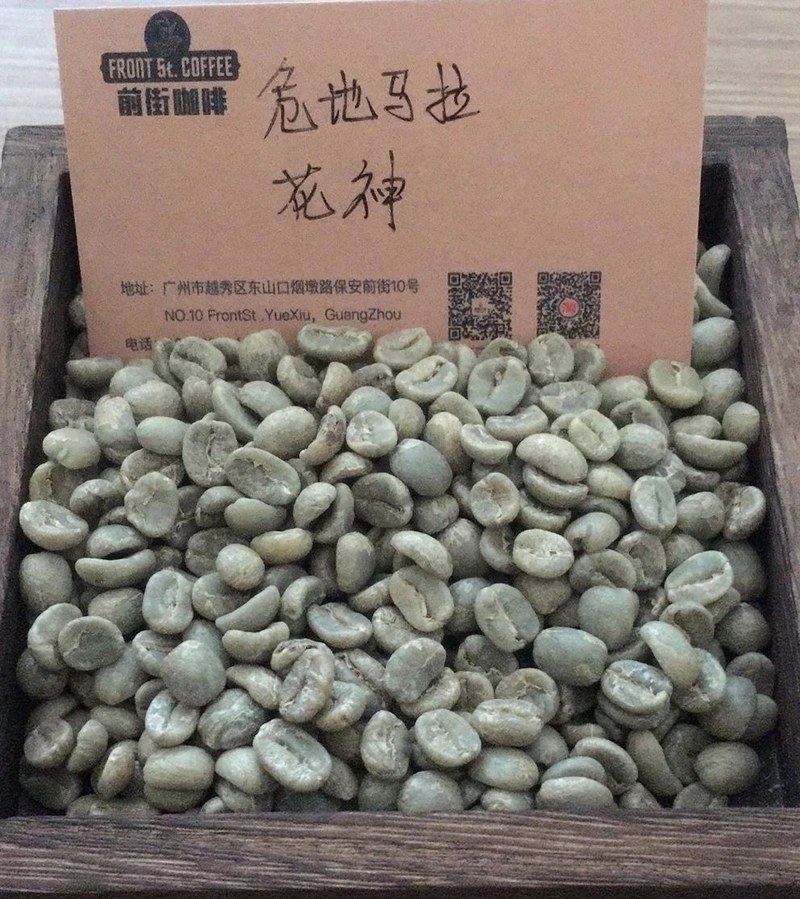
Qianjie Ethiopia Huakui has a livelier tropical fruit aroma, and its strawberry- and passion fruit-like notes suit iced pour-over. For pour-over, still use 15g of grounds and a 1:15 coffee-to-water ratio, with a total water amount of 225ml, at 90°C; after a 30-second bloom, pour in three stages, 75ml each for the first two stages and 30ml for the last, with a total time of about 2 minutes 15 seconds, and a slightly coarser grind than Gudingding.
When making espresso, Huakui can shift toward an expression with more concentrated sweetness. Use 18g of grounds, adjust the grind to a fine setting, pre-infuse at low pressure for 5 seconds, then extract at a constant 9bar, targeting 36g of yield in a total time of 26 seconds. This kind of extraction does not simply chase a strong punch; it leaves a berry-jam-like sweet aroma in the espresso, and it can also be diluted with water into an Americano with vivid aroma.
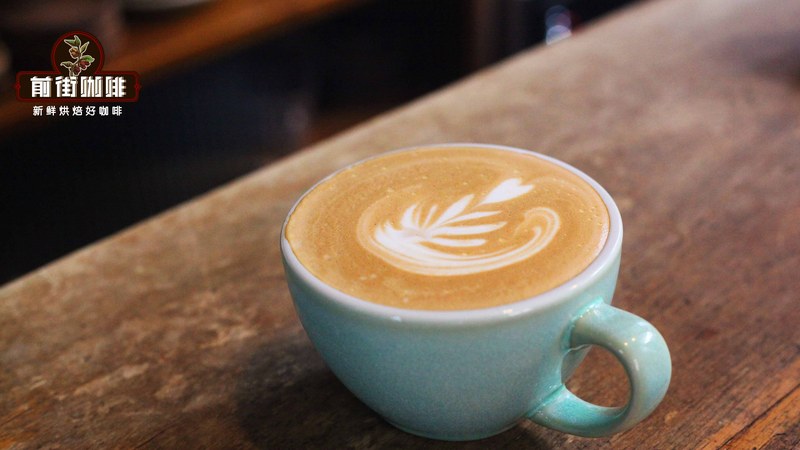
If you like milk coffee, you can add 120g of hot milk on top of the above 18g of grounds, 36g of liquid weight and 26 seconds. If the coffee seems thin in the milk, you can make the grind slightly finer, but still keep the yield at 36 to 37g; if the finish feels dry, then shorten the constant-pressure extraction to 25 seconds. It is best not to increase the milk amount too much at once, otherwise the floral and fruity aromas will be wrapped up by the milk fat.
Qianjie Kenya Xiaofanqie has an acidity with clear contours, and its cherry tomato, smoked plum and brown sugar-like sweet notes become more like concentrated fruit juice in a moka pot. You can use 18g of coffee grounds, a medium-fine grind, pour 120ml of 92°C hot water into the lower chamber at once, then after closing it, heat over medium-low heat for about 1 minute 45 seconds; do not add water in stages throughout the process, and remove from heat when the sound of the flow becomes rapid.
After the moka pot has yielded its liquid, first shake it gently to even it out, then add 30 to 60ml of hot water according to personal taste. If you want to preserve the smoked plum-like sweet-and-sour note, keep the heat steady and finish at around 1 minute 45 seconds; if you want to increase the brown sugar-like thickness, you can extend it to 2 minutes, but it is best not to let the flow continue until the color becomes noticeably lighter. The key here is controlling the heat, not packing the coffee bed very tightly.
The same floral bean has different suitable parameters in different brewers: pour-over values water flow and contact time, espresso values puck resistance and yield weight, and the moka pot depends more on heat and the timing of removing it from the heat. When buying, you can match the bean's flavor description with the equipment at home, then start recording from a clear set of parameters, and your adjustments will have more direction.
Beans with obvious floral notes do not have to be limited to one way of drinking. If you like bright aromas, you can start with a light-roast pour-over at 88 to 90°C; if you want espresso or milk coffee, choose a sweetness-oriented expression that can withstand a fine grind and pressure; if you often use a moka pot, you can focus on fruit sweetness, sugary notes and a fuller body. Find the matching parameters, and the floral notes will turn from a description into a real and comfortable experience in the cup.
Related Reading


Comments (0)
Loading comments...
You May Be Interested




Trending Reviews
Popular Videos

With you, wherever you are! We provide useful features to help you find new things you'll love






