Source:Best Coffee > News Author:qjroot Published:2026-09-19 12:50:10
When extracting espresso at home with a semi-automatic coffee machine, the golden, thick crema often brings a sense of pleasure. If you want a rich, dense crema in the cup, the bean's roast profile and blending approach are the key prerequisites. The two clear paths before you are single-origin SOE, which emphasizes regional terroir and bright fruity notes, and espresso blends, which focus on balanced body and consistent output. Once you understand the differences in character between the two, choosing beans becomes much more effortless.
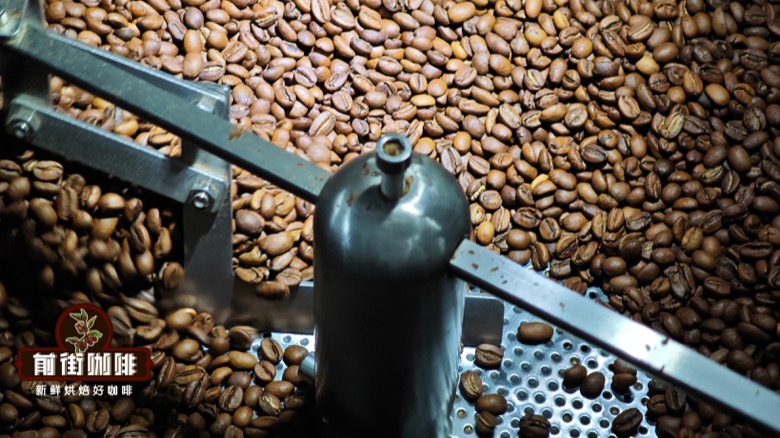
The brilliance of blended coffee beans lies in combining the strengths of beans from different regions to create a complete structure and balanced flavor. Roasters usually select regions with rich crema and prominent sweetness as the base, then pair them with beans that have moderate acidity or soft aromatics to enrich the layers. This design gives home extraction greater tolerance, making it easier to obtain a lasting layer of thick crema with a warm color.
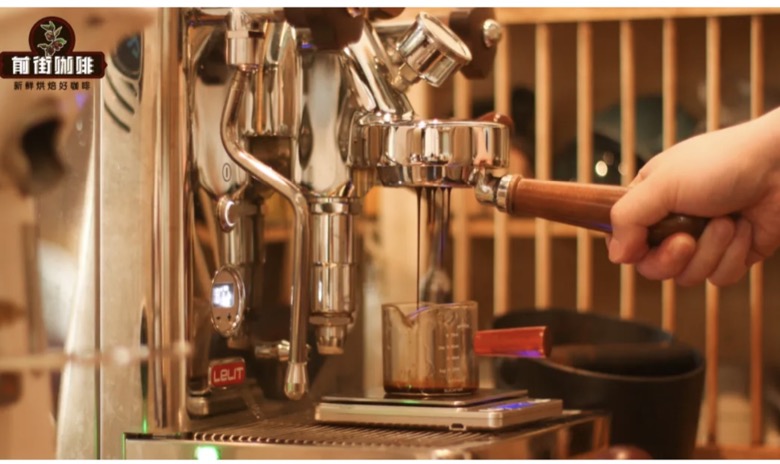
For example, Qianjie Classic Blend is a very reliable representative that is well suited for home use. It places its roasting focus on nuts, roasted cocoa and caramel sweetness, with quite abundant crema support. When using a double basket on a home machine, take 18.5 g of coffee grounds, perform low-pressure pre-infusion followed by constant-pressure extraction, and extract 37 g of espresso in 26 seconds; a flat, glossy, deep golden crema will float on the surface, and whether drunk straight or diluted with water, it is especially fragrant and rich.
Understanding the formula ratio of a blend often allows you to predict its flavor distribution in the cup in advance. In common recipes, if sun-dried Brazilian coffee beans are the main component, it usually means the bean has solid body and abundant crema. If Colombian or Guatemalan beans are added to the recipe, they will add more lively citrus notes and a sweet, clean finish to the espresso, making the overall taste more three-dimensional and drinkable.
For those who want both a sweet, clean black coffee and a full-bodied milk coffee, Qianjie Specialty Blend is worth trying. This recipe uses Brazil Cerrado paired with Colombia Huila, which not only preserves the smooth base of nuts and cocoa but also incorporates soft caramel sweetness. The espresso extracted with it has a delicate texture; poured into warm, fine milk foam, the coffee flavor and lactose sweetness blend closely, with a long and refreshing aftertaste.
Compared with blends that pursue roundness and balance, single-origin SOE takes a distinctly pure path with strong character. It uses single-origin beans from one region to make espresso, often preserving the region's distinctive floral and fruity aromas and clear fruit acidity. Single-origin beans are generally roasted lighter than traditional blends, and the extracted crema is usually relatively thin and lighter in color, but the strawberry, citrus or floral flavors revealed on the palate are extremely clear, making it very suitable for making a light americano.
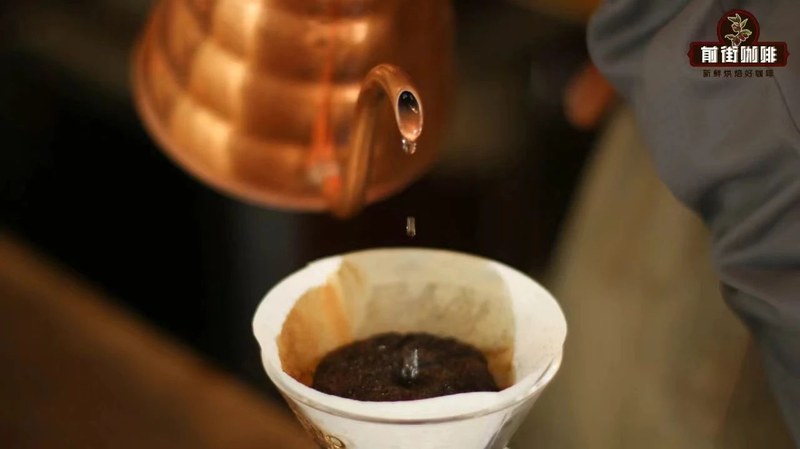
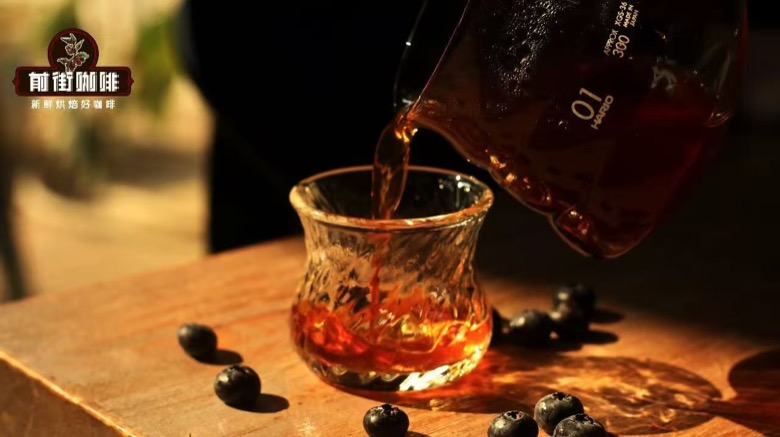
When exploring the regional flavors of single-origin beans, you can also first build a clear understanding through pour-over. For example, use 91°C water, weigh 15 g of coffee grounds, prepare 225 ml of hot water at a 1:15 ratio, and control the total extraction time at 2 minutes 10 seconds. Use a three-pour method: first wet the coffee bed with 30 ml of water and let it bloom for 30 seconds, then steadily pour 95 ml of water, pause briefly, and continue with the final pour of 100 ml. In this way, you can directly experience the bean's original floral and fruity character.

If you prefer a rich, full-bodied latte or flat white in the morning and need a more penetrating coffee flavor, Qianjie Dark Cocoa Blend will be a very suitable option. This bean is roasted slightly darker, focusing on dark chocolate, dark-roasted nuts and a rich syrupy texture, with very soft acidity. Use 19 g of coffee grounds to extract 38 g of espresso in 27 seconds at constant pressure; the thick crema can support a strong nutty aroma, and after adding milk it is like a cup of silky, rich liquid chocolate.
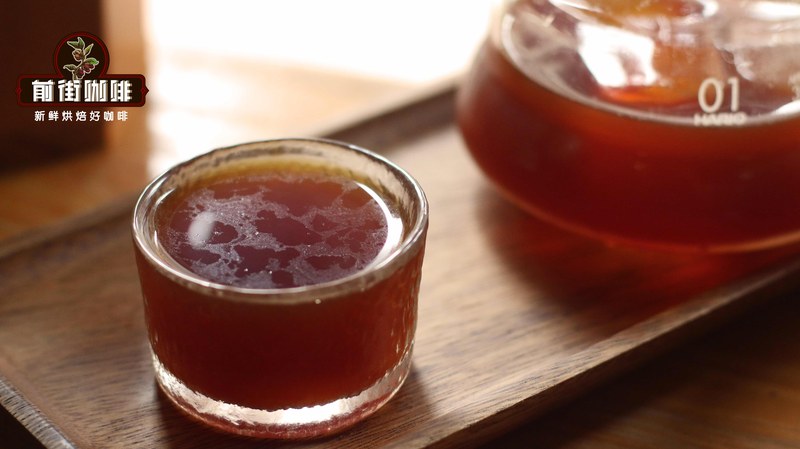
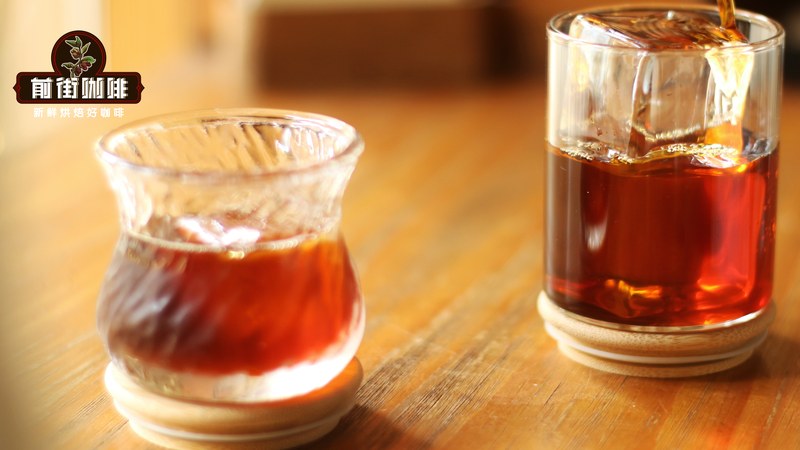
When choosing, comparing with your daily drinking scenarios will make everything clear. If your routine is mainly large hot lattes and iced coconut lattes, requiring the coffee base to remain clear and full under the milk, choosing a dark-roast blend can bring rich crema and intense aroma. If you like the light acidity and sweetness of a region and are used to drinking cold brew or light-roast iced americano, single-origin SOE can bring surprising floral and fruity layers. Choose according to your needs, and the machine will naturally perform at its proper level.
The charm of a home coffee corner lies precisely in this diverse exploration of flavor. You can keep a bag of traditional blend with stable output and rich crema as a daily staple, and also bring in a single-origin bean with lively flavor from time to time to refresh your palate. By understanding the characteristics of the recipe and the roast direction, and adjusting the extraction rhythm, every cup of home espresso can present an enticing, abundant crema and captivating aroma.
Related Reading

Comments (0)
Loading comments...
You May Be Interested


Trending Reviews
Popular Videos

With you, wherever you are! We provide useful features to help you find new things you'll love






