Source:Best Coffee > News Author:qjroot Published:2026-09-02 18:33:09
With cold brew coffee beans, it is not just about the flavor name; you also need to look at how the equipment in your hands lets the coffee contact the water. A glass cold brew pitcher relies on long immersion, a cold drip tower depends on the flow rate, and a cold brew bottle with a filter is better suited to making small batches. Different equipment changes the extraction strength, aroma expression, and the beans that suit it, so when choosing beans you can work backward from the parameters to the taste in the cup.
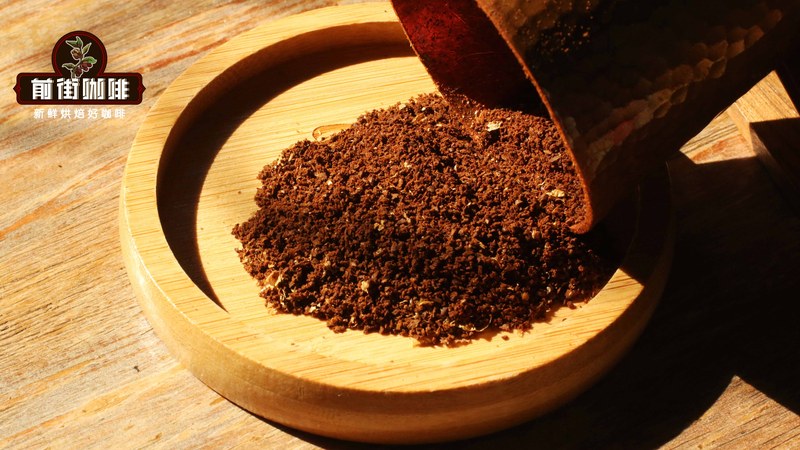
The characteristic of immersion cold brew is that the grounds stay in the water for a long time, the extraction is more even, and it is easy to control. For a pitcher with a capacity of about one liter, you can put in 60 to 70 g of coffee grounds, add room temperature or refrigerated water, and start with a coffee-to-water ratio near 1:14. Use a coarser grind than for pour-over, which makes filtering easier and also keeps the finished cup clean, without an overly heavy powdery mouthfeel.
The immersion time usually falls between 10 and 14 hours; it can be shortened when room temperature is higher, and appropriately extended when placed in the refrigerator. Refrigerated extraction releases aroma more slowly, the acidity at the start is softer, and the fruit aromas also seem rounder. If it tastes weak and empty, you can slightly increase the amount of coffee or extend the contact time; if the finish feels dry, reduce the immersion time, and do not rush to make the grind too fine.
When using a cold brew bottle, the height of the filter and the capacity of the bottle will limit the coffee-to-water ratio. For a small bottle of 300 to 500 ml, putting in 25 to 35 g of coffee grounds makes the concentration easier to control, and the water can be filled close to the marked line on the bottle. After pouring in the water, shake gently to mix so the coffee layer is fully saturated, then put it in the refrigerator and let it sit. When drinking, add ice directly; it is suitable for making a commuter cup or an afternoon cold drink.
The key parameter of a cold drip tower is not the number of immersion hours, but how much water drips per minute. For home equipment, you can set the drip rate at 1 to 2 drops per minute, with a total time of about 3 to 6 hours, then adjust according to the amount of coffee and the capacity of the tower. The grind is slightly finer than for immersion, but still must not come close to espresso grind, otherwise the water flow tends to stall and the coffee liquid will also show a noticeable bitterness.
If you want the floral and fruity aromas to remain clear in cold drip, you can choose Qianjie Ethiopia Huakui. It carries aromas like ripe tropical fruit, strawberry jam, and passion fruit; after low-temperature processing the acidity becomes softer, and the sweetness is more like chilled fruit juice. When using a cold drip tower, you can set the coffee-to-water ratio at about 1:10, then add water to dilute after dripping; it is suitable for drinking on its own or with sparkling water.
Qianjie Colombia Cipres is suitable for people who like a juicy feel. Its flavors bring to mind blueberry, grape, apricot, and passion fruit; the slow water supply of cold drip can stretch these aromas finer, making it taste bright with sweetness. If using an immersion pitcher, you can use a coffee-to-water ratio of 1:13, extract for 12 hours, then add ice; if you want to make a concentrated cold brew liquid, reduce the water and add water when drinking.
If the equipment you have has only average filtering ability, the beans should not be ground too fine, and you should not choose a processing style with a particularly obvious powdery feel. For a cold brew bottle with a larger filter pore size, you can add a paper filter before loading the coffee, or extend the standing time and then filter once more. This is not to pursue complete clarity, but to make the mouthfeel cleaner, so that after the ice melts the sweetness and aroma are still retained.
After the cold brew is finished, the concentration can be adjusted by adding water or ice; there is no need to set the parameters very aggressively from the start. Sharp acidity at the start is often related to insufficient time or inadequate saturation of the coffee layer; if bitterness and astringency are obvious, check whether the drip rate is too slow or the grind is too fine. Change only one item at a time among coffee amount, time, or drip rate, and after a few records you will be able to find the range that suits your own equipment.
Strawberry Candy coffee beans are suitable for people who want cold brew with a clear sweet aroma. They present a scent close to strawberry candy, with a light flavor; after making it with a cold brew bottle, it is very suitable to add ice and a small amount of soda water, and it can also be combined with milk into a lightly sweet iced coffee. If using immersion equipment, you can reduce the amount of coffee or shorten the time to avoid the sweet aroma being overwhelmed by too high a concentration.
After filtering the cold brew liquid, put it in a sealed container and refrigerate it; it is recommended to make it according to how much you will drink in a few days. Shake gently before drinking so the sediment and liquid blend again. Floral and fruity beans are suitable for drinking directly with ice, while sweet-tasting beans can be paired with milk or sparkling water. Record the equipment capacity, coffee amount, grind, and time, and the next time you change beans you will be able to judge more accurately which set of parameters to keep, and choose the cold brew style that truly suits you.
Related Reading


Comments (0)
Loading comments...
You May Be Interested

Trending Reviews
Popular Videos

With you, wherever you are! We provide useful features to help you find new things you'll love






