Source:Best Coffee > News Author:qjroot Published:2024-11-05 18:45:00
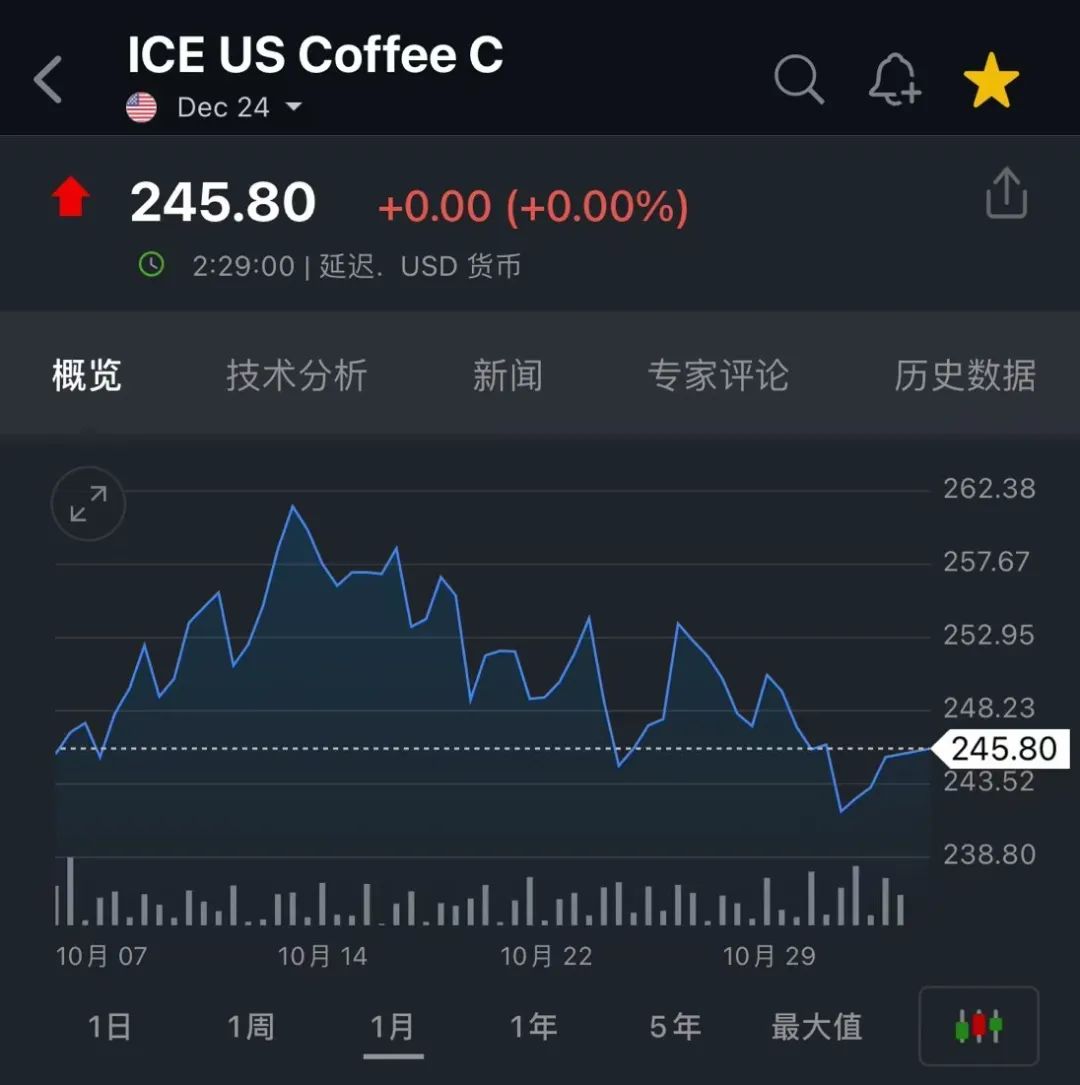
According to reports, the Ethiopia Commodity Exchange (ECX) is introducing a new pricing mechanism for green coffee exports. Each week, the green coffee price will be calculated based on the Arabica coffee futures price on the New York ICE Intercontinental Exchange and the current exchange rate of the Commercial Bank of Ethiopia, thereby helping coffee farmers obtain higher income.

ECX stated that earlier, at the end of July, the National Bank of Ethiopia issued a new foreign exchange policy, so the liberalization of the foreign exchange market can shift to a new pricing mechanism. The price of Ethiopian green coffee beans will change from the previous fixed-price mechanism to a floating-price mechanism.
In addition, under the new pricing mechanism, the Ethiopian Coffee and Tea Authority (ECTA) and ECX will continue to implement a minimum export price system for green coffee bean trade in accordance with the 2020 regulations, while the price ceiling will fluctuate according to international futures prices and exchange rate factors.
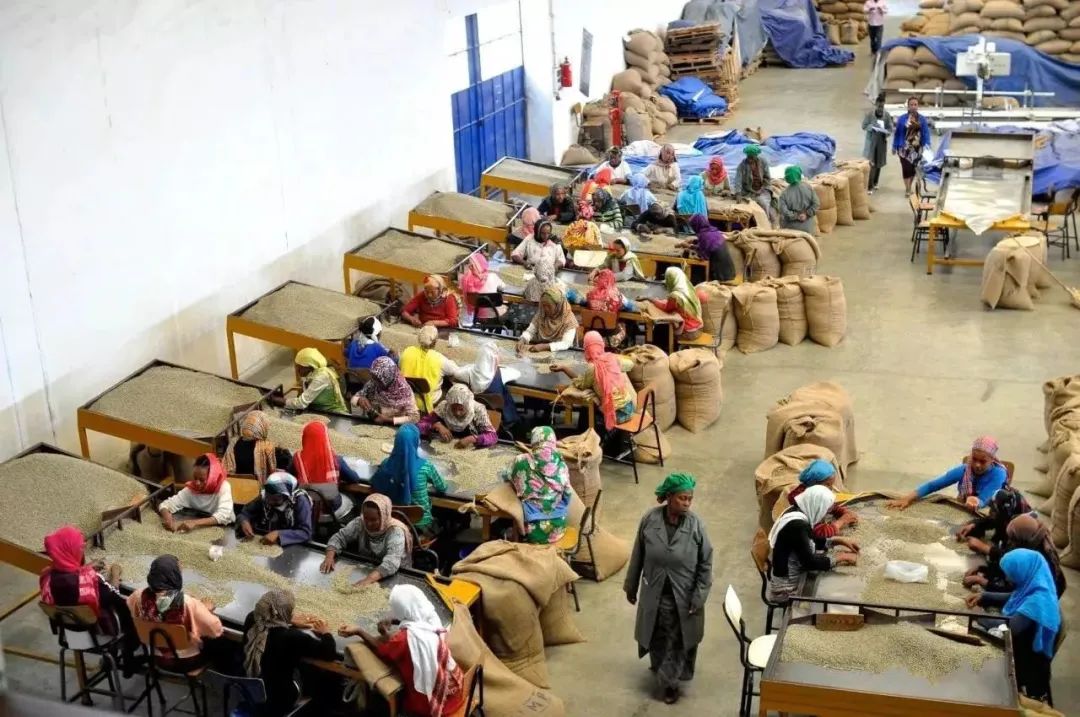
However, according to the statement, the new pricing mechanism is mainly for commercial coffee beans. The reason for adjusting the coffee export pricing mechanism is that under the influence of numerous policies, the coffee export price is far lower than the domestic first-sale price. Therefore, the new mechanism will raise Ethiopia's coffee export price, but it does not currently apply to specialty coffee.
It is understood that, according to Ethiopian law, there are three coffee export systems in total: the largest volume is exported through bidding on the ECX platform, exports by cooperatives, and independent exports by single farms. Among these, cooperatives and single farms do not need to go through the ECX and can export directly through vertical integration. ECX has long claimed that it provides market access for 2.4 million smallholder farmers through rural cooperatives.
Earlier in July, Ethiopia announced new foreign exchange reforms, hoping thereby to address foreign exchange shortages, improve export competitiveness, attract foreign direct investment and complement a number of other macroeconomic reforms that are crucial to improving the conditions for the private sector to grow and prosper in Ethiopia's economy.
This can benefit millions of Ethiopians across multiple foreign exchange generating sectors, such as farmers involved in the production of export crops including coffee, sesame, pulses and flowers, herders exporting cattle and meat, workers engaged in mining and thousands of enterprises in the services and tourism sectors.

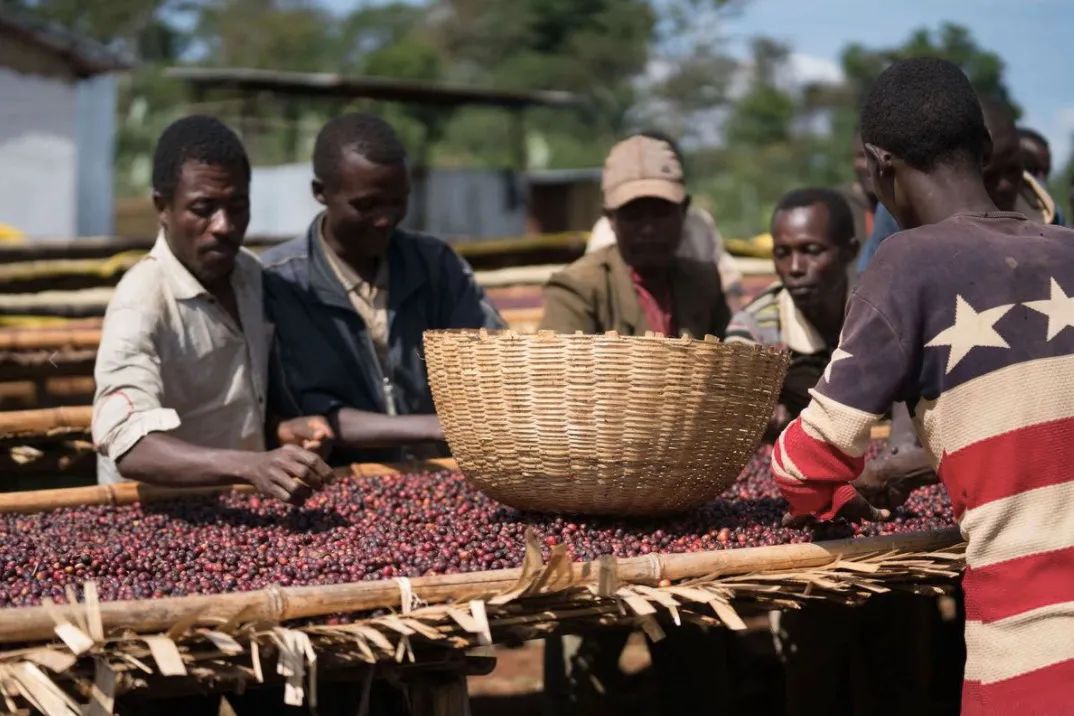
After the release of this new foreign exchange reform, the foreign exchange rate fell sharply. Although the depreciation of the Ethiopian currency, the birr, helps improve the international competitiveness of Ethiopian coffee and other goods and is conducive to exports, it has also caused a serious rise in local prices in Ethiopia, with some prices rising by 50-100%. For many coffee growers, cultivation costs have therefore increased.
Therefore, the current new pricing mechanism has both advantages and disadvantages for current coffee cultivation. The advantage is that when arabica coffee futures prices rise, coffee farmers will receive higher income benefits because of the floating price. But when the price is too high, it may reduce buyers' willingness to purchase, and they may look for other coffee origins as substitutes.
Moreover, international coffee futures prices are highly susceptible to fluctuations from multiple factors. For example, recently major global coffee-producing country Brazil reported the return of rainfall, easing the impact of drought, and production is expected to recover; combined with rising coffee production in Colombia and the news that the EU's EUDR plan has been postponed by one year, coffee futures prices fell, while local coffee prices in Ethiopia, due to high inflation, are not conducive to exports.
In addition, local coffee exports are currently more concerned about the implementation of EUDR. The EU is Ethiopia's largest coffee market, accounting for more than 30% of its coffee bean exports, but most coffee production in Ethiopia struggles to meet the EU's EUDR requirements, and the government has taken no real action on this.
To learn more news and information about coffee origins, please scan the QR code to follow: Kaping
Long-press the QR code to follow:

Related Reading







Comments (0)
Loading comments...
You May Be Interested




Trending Reviews
Popular Videos

With you, wherever you are! We provide useful features to help you find new things you'll love






