Source:Best Coffee > News Author:qjroot Published:2024-11-10 11:18:58
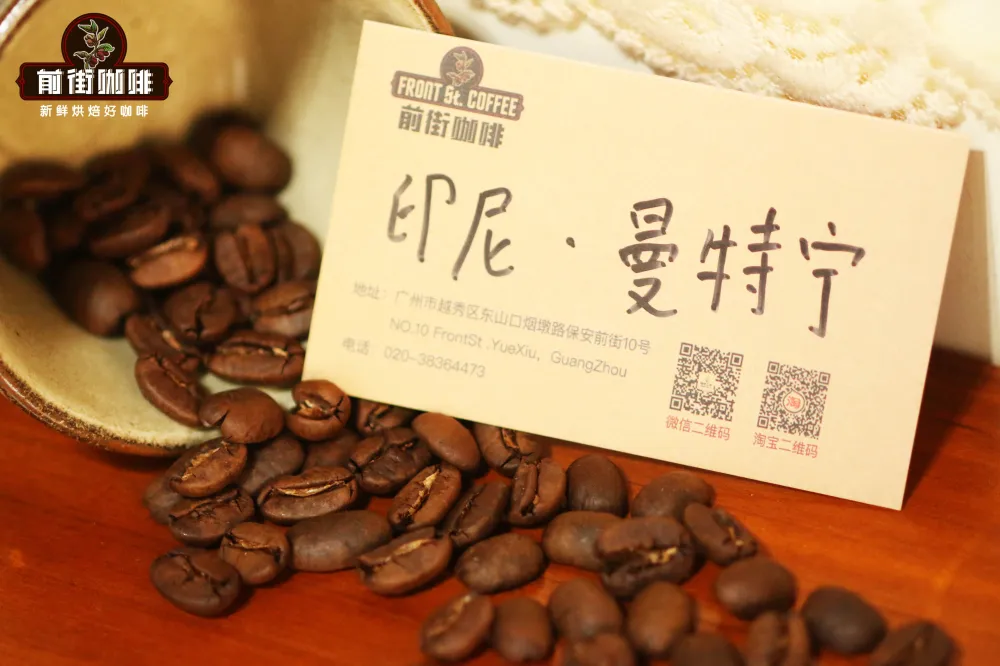
Mandheling coffee from Indonesia is world-famous for its full body and rich, solid aroma. As a representative dark-roast coffee bean, high-grade Golden Mandheling also frequently occupies a spot on the front street bean list, and is deeply favored by countless coffee lovers.
Where does Mandheling come from?
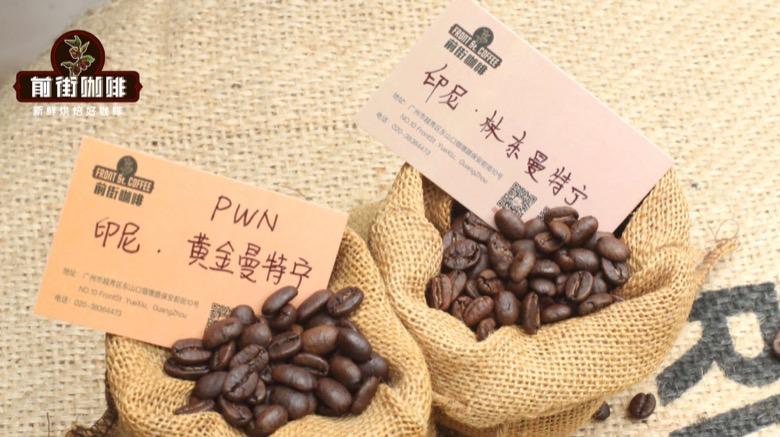
The Mandheling coffee we usually drink is dark-roasted, which weakens the acidity in the coffee and highlights its mellow bitterness. On the front street bean list there are two Mandheling coffees: Lintong Mandheling everyday beans and PWN Golden Mandheling, from the Lintong production area and the Aceh production area on the island of Sumatra respectively. Both use a medium-dark roast. The front street hopes to present dark chocolate and caramel flavors while retaining Mandheling's wild herbal note, and this unique woody aroma comes from Mandheling's growing environment and processing method.
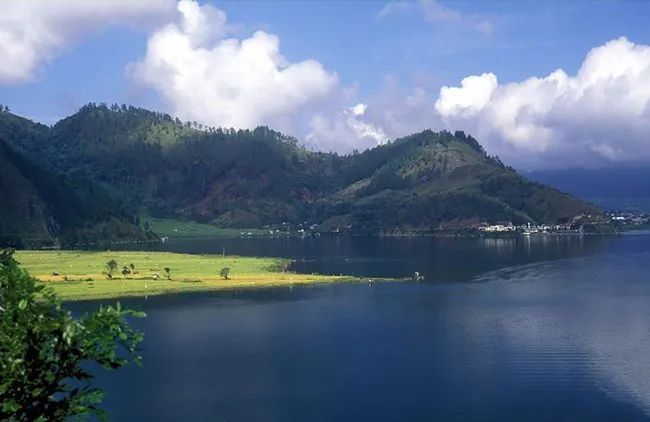
It is thanks to Indonesia's unique environment that such aromatic, full-bodied coffee can be produced. Indonesia is the world's largest archipelagic country, made up of 17,508 islands, each with rugged mountains and hills and diverse terrain, and volcanoes everywhere, with about 400 volcanoes nationwide. In addition, Indonesia lies near the equator and has mainly a tropical rainforest climate, hot and rainy all year round, warm and humid, with an average temperature of 25-27°C, and mainly a dry season and a rainy season. With fertile soil given by volcanoes, abundant water resources, and a warm, humid climate, it is an ideal region for growing coffee.
Mandheling comes from Indonesia's mysterious island of Sumatra. The whole of Sumatra is divided into eight provinces, of which only the high-altitude provinces of Aceh and North Sumatra cultivate Arabica coffee on a large scale. Local people plant coffee trees around two major volcanic lakes, Lake Tawar and Lake Toba. The Gayo mountains around Lake Tawar have ideal conditions for growing coffee, with organic methods widely used, and together with a long history of cultivation, this makes the coffee produced here higher in both quality and yield. Many green coffee traders also value this area more, including the locally very famous Pawani Coffee Company (PWN).
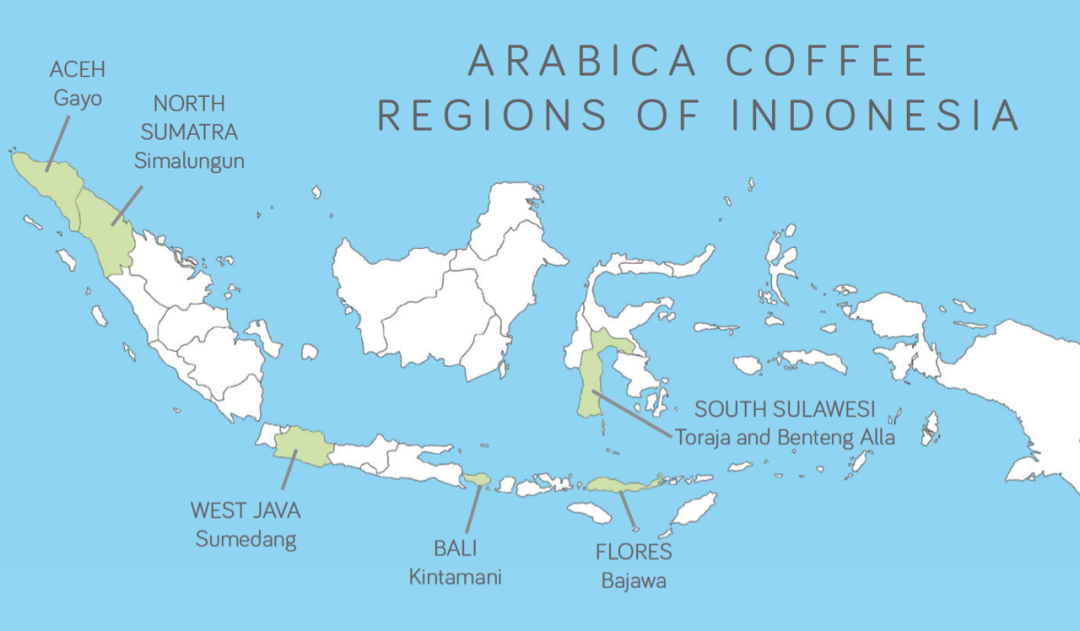
The Lintong production area is located south of Medan, the provincial capital of Sumatra. Here is the world's largest volcanic lake, Lake Toba (Toba), with many high mountains around the lake. The soil in this area is rich in minerals due to past volcanic eruptions, and coffee is mainly planted on the hillsides at 1400-1800 m around the lake.The Gayo production area, on the other hand, takes its name from the Gayo people. It is located in the mountainous area of Aceh province at 1300-1600 m above sea level, where there are also several volcanoes and many volcanic lakes, and the most famous coffee-growing area is located at Lake Lawar.
Why does Mandheling taste so special?
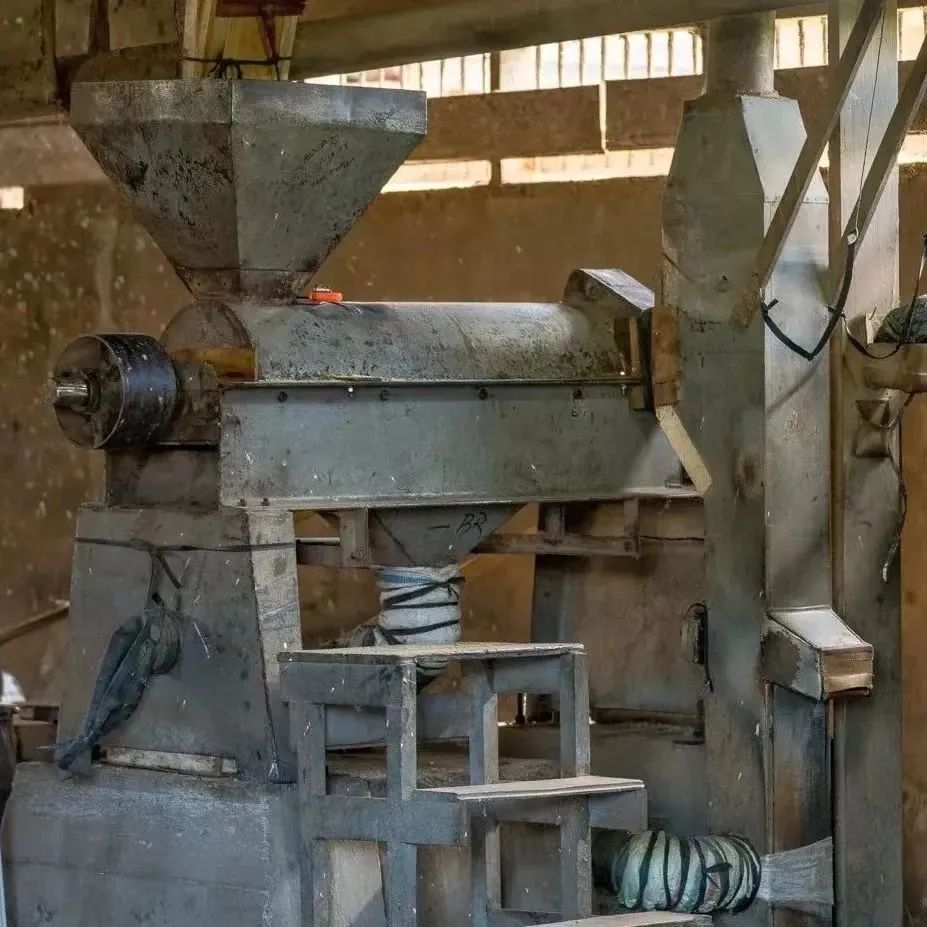
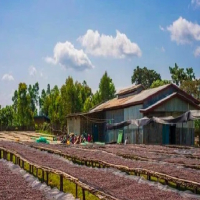
Since 1699, when Dutch colonists introduced coffee to Indonesia for cultivation, coffee has become the main cash crop of local farmers. Using the traditional natural processing method would take too long, making it hard to sell to traders in time for profit; sun-drying and washing require at least 2-3 weeks of drying time. Most critically, the islands of Indonesia are often windy and rainy, with high air humidity, so the green coffee beans would mold and spoil before they were even dry. So local farmers developed their own unique semi-washed method: wet hulling.
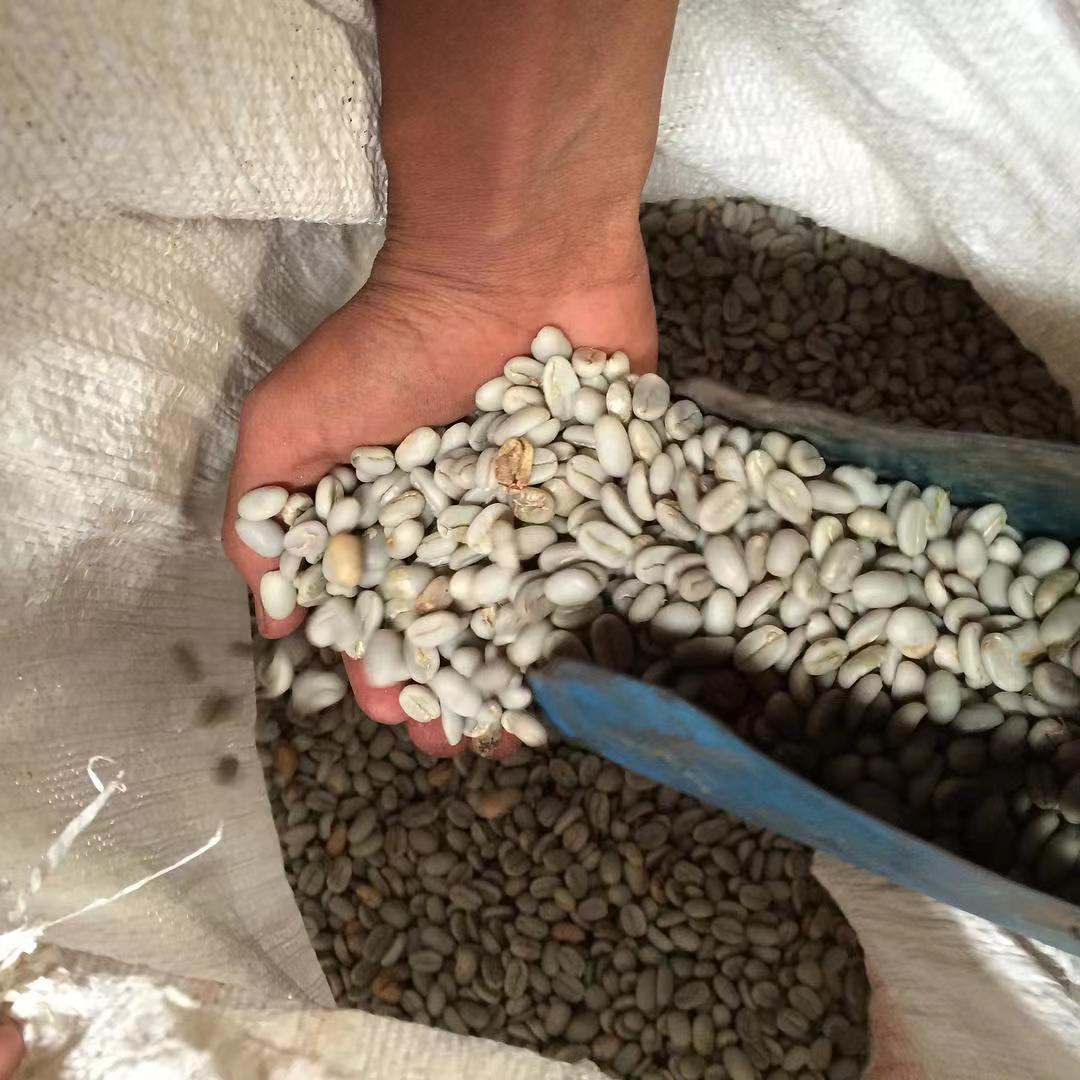
Wet hulling is also called the wet hulling method, and locally it is also called "Giling Basah".The steps before wet hulling are the same as the washed method. Indonesians first remove the pulp from the coffee fruit, then ferment it in water for 3 hours, wash off the mucilage, and dry the parchment coffee beans briefly for 2-3 days. When the moisture content is 20-24% and the beans are half soft and half hard, the parchment is hulled off the beans, and then drying continues until the coffee's moisture content is 13%, at which point it can be bagged.
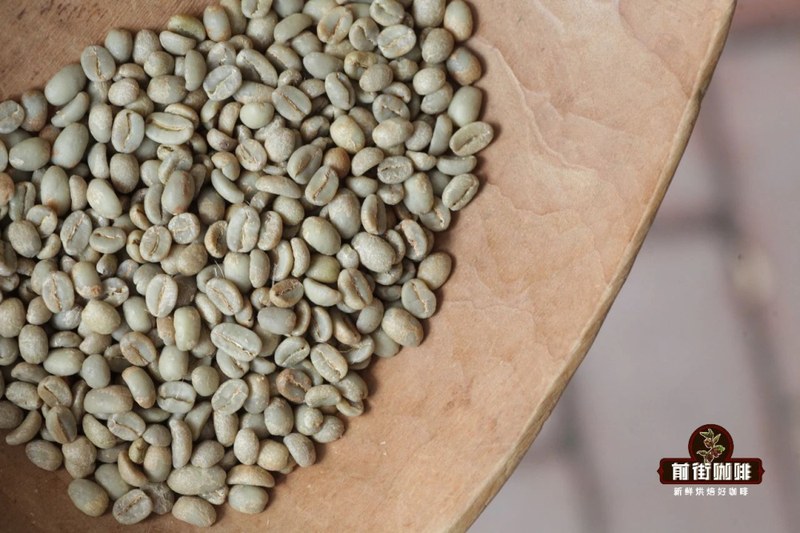
Because the hulling machine uses relatively great friction to tear open the parchment layer clinging tightly to the green beans, and through the stirring of this friction the green beans are also more easily crushed or injured, especially at both ends, forming small gaps and producing what are called goat-foot beans. The "naked beans" with the parchment layer removed dry very quickly, and are also directly exposed to the humid environment, where various kinds of bacteria breed. This gives Indonesian coffee its unique woody, spicy and herbal notes, which is what we call the "Mandheling taste".
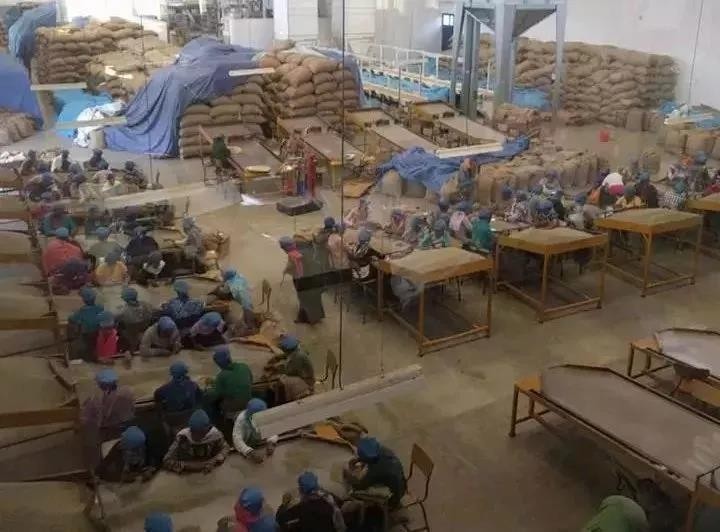
Golden Mandheling is a relatively top-tier existence among Mandheling coffees, and the word "golden" also highlights the high quality of this Mandheling. As PWN's exclusive flagship product, "Golden Mandheling" refers to premium Mandheling green beans of 18 screen size and above that have undergone 1 mechanical sorting plus 3 manual hand sortings, selecting out the specialty grade that is plump, flawless and even and translucent in color.
Pawani is a trading company that exports green coffee beans, founded by a Chinese family from Quanzhou, Fujian, and located in Medan, an important port in Sumatra. It has been in the export business since 1957, and the fame of Mandheling coffee comes precisely from PWN successfully bringing it to the Japanese market for sale. In the early days, in order to become the exclusive supplier of Golden Mandheling coffee, PWN registered the English trademark "Golden Mandheling", which means that only the Golden Mandheling coffee produced by this company is truly Golden Mandheling. The front street's Golden Mandheling coffee beans are of course also "genuine products" purchased from PWN, using Indonesia's unique wet hulling method.
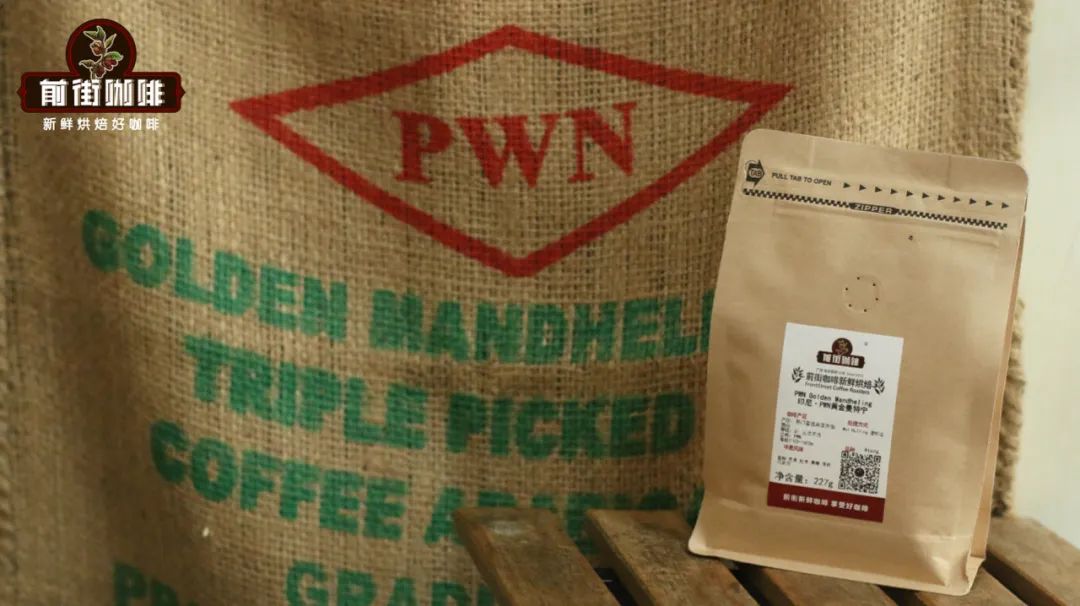
As a longtime loyal fan of Mandheling, the Golden Mandheling we sourced at Qianjie is of course the genuine product from PWN. You can identify authentic Golden Mandheling by the green bean jute bag bearing the PWN mark, along with a certificate of origin signed by PWN. Qianjie displays both of these markings inside the Dongshankou store. Looking at the green bean jute bag of Golden Mandheling, we can see the words "Triple pick" and "GRADE 1", meaning it belongs to the highest grade of Indonesian green beans; during production, PWN hand-sorted three times on the basis of the GRADE 1 green beans it purchased.
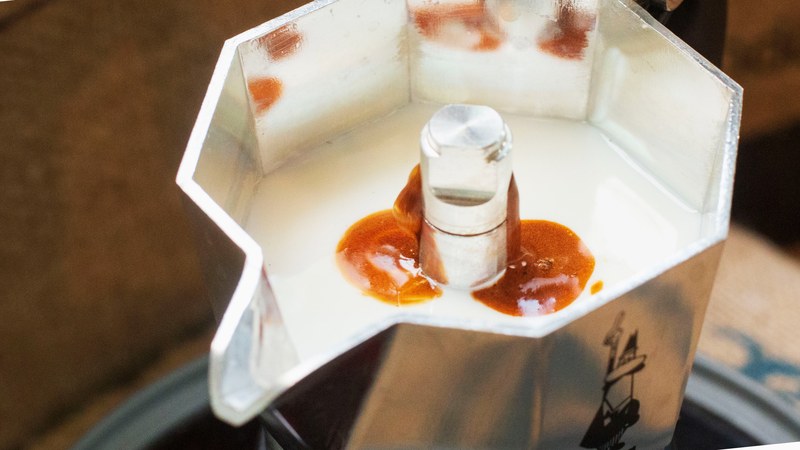
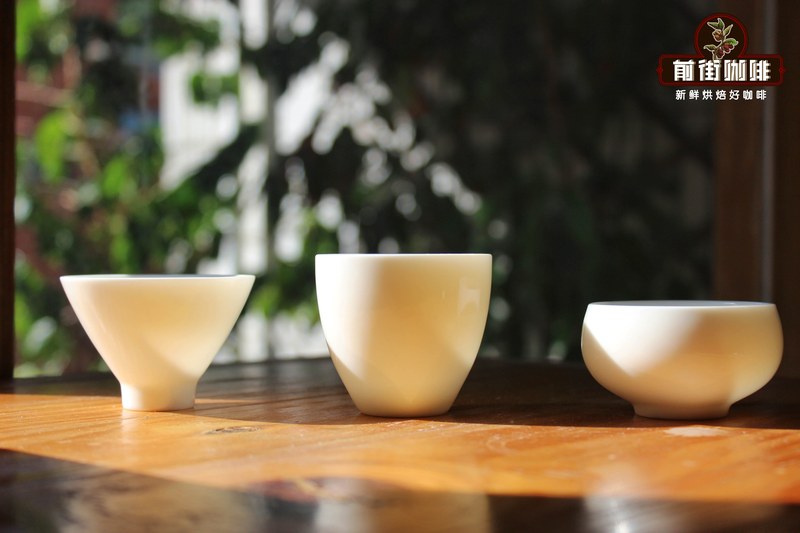
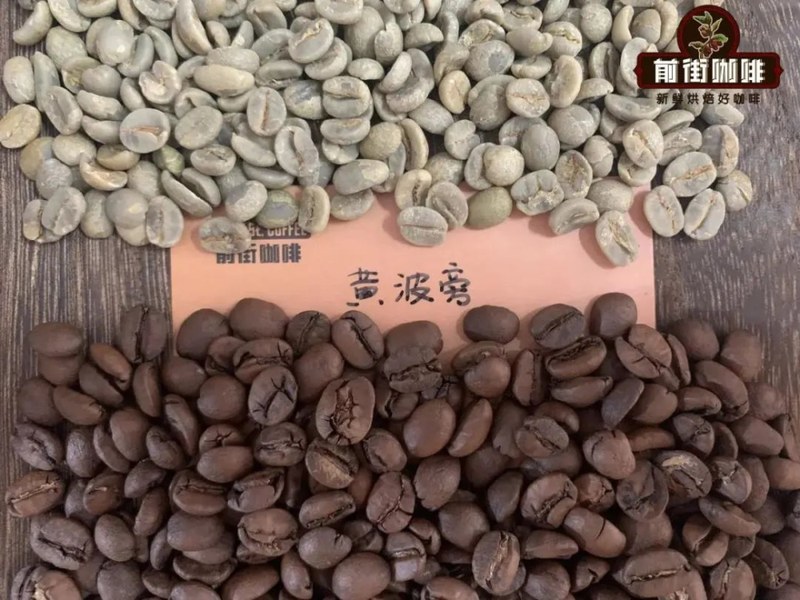
In terms of roasting, in order to present the typical Mandheling flavor while retaining more herbal spice notes, the Qianjie roaster uses a medium-dark roast. Every time Qianjie releases a coffee bean, it conducts at least one cupping evaluation; under the same standard, cupping allows us to more objectively feel the strengths and weaknesses of the coffee.
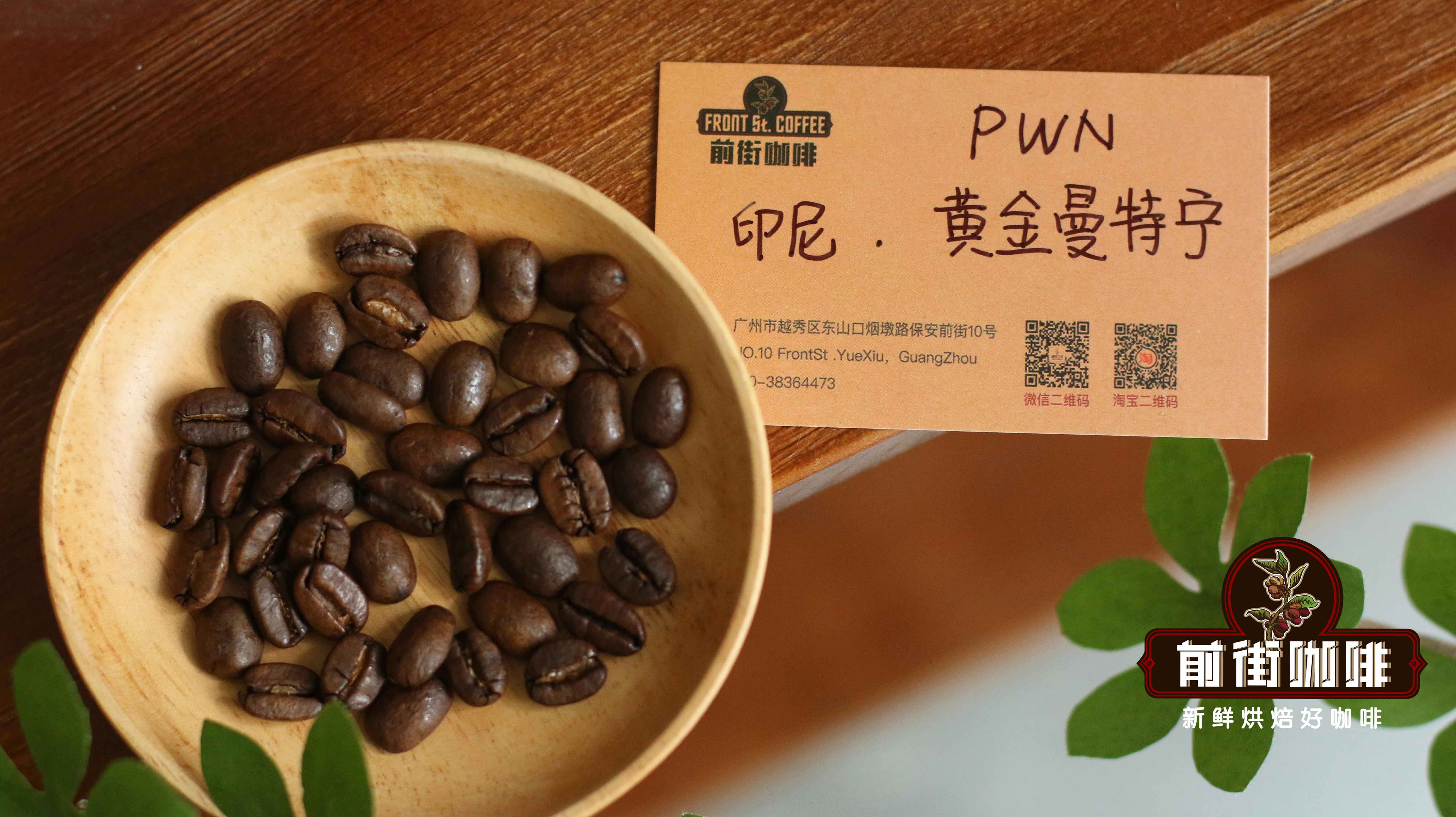
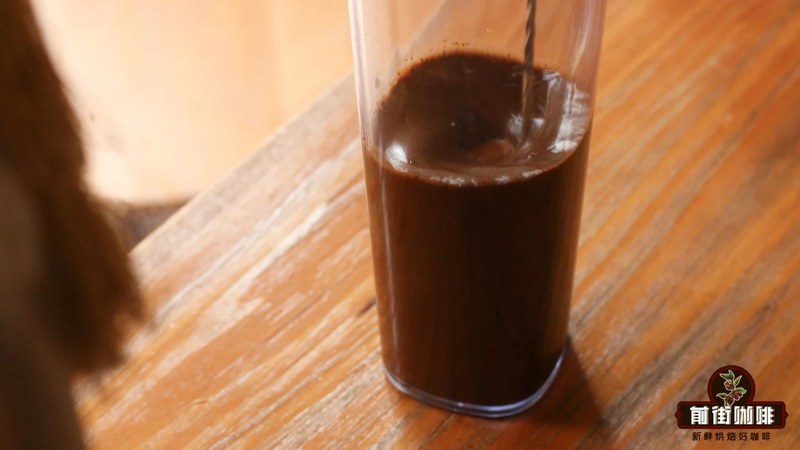
Qianjie cups Lintong Mandheling and Golden Mandheling side by side for comparison. Lintong Mandheling has rich chocolate, dark brown sugar, and nut notes, with an herbal finish; Golden Mandheling, at the dry aroma stage, reveals pine, nuts, spices, and herbs, and as hot water is poured in, notes of licorice and caramel emerge; it drinks with flavors of dark chocolate, nuts, and spices, overall clean, with obvious sweet aftertaste and high body.
Related Reading
Comments (0)
Loading comments...
You May Be Interested

Trending Reviews
Popular Videos

With you, wherever you are! We provide useful features to help you find new things you'll love






