Source:Best Coffee > News Author:qjroot Published:2026-09-16 01:36:12
Because dark-roasted coffee beans undergo a longer roasting time, the woody structure inside the bean becomes looser, and this highly porous characteristic makes flavor compounds extremely easy to dissolve out quickly upon contact with hot water. For dark-roasted beans with low acidity and heavy nutty and cocoa notes, the core of brewing lies in extracting full-bodied caramel sweetness and an oily mouthfeel through reasonable water temperature, water flow impact and contact time, while avoiding the off-flavors that tend to emerge in the later stages.
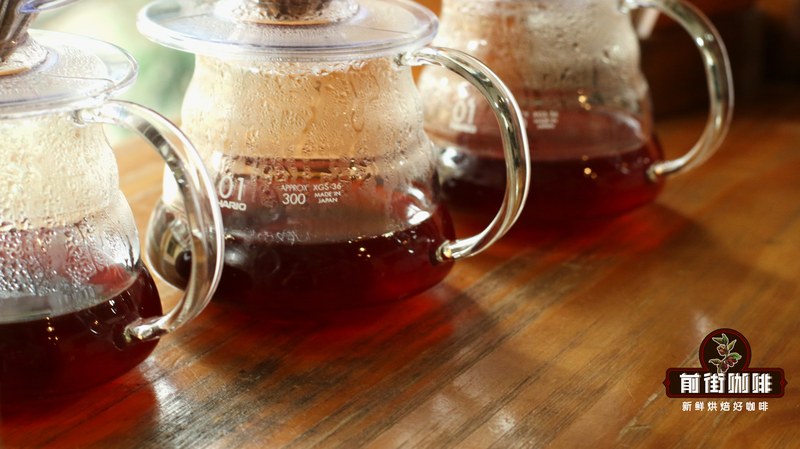
When pour-over brewing dark-roasted beans, water that is too hot easily brings out burnt bitterness, so it is generally recommended to use gentler hot water. The grind size should be set to medium-coarse, and the pouring method should mainly be a steady circular pour, minimizing violent agitation of the bottom of the coffee bed by the water flow, so that the hot water penetrates the coffee layer evenly; the black coffee brewed this way can show a smooth, delicate texture and a clean finish.
When brewing the single-origin-style Qianjie Brazil Queen Estate, a pour-over approach can be used to present its balance. Prepare 88°C hot water and 15g of coffee grounds, set the coffee-to-water ratio at 1:15, and pour a total water volume of 225ml. Use a two-stage pour: first pour 35ml for a 25-second bloom, then pour steadily from the center to 225ml and stop, with the total time controlled at 1 minute 50 seconds; a clear roasted hazelnut and soft caramel sweetness will emerge in the cup.
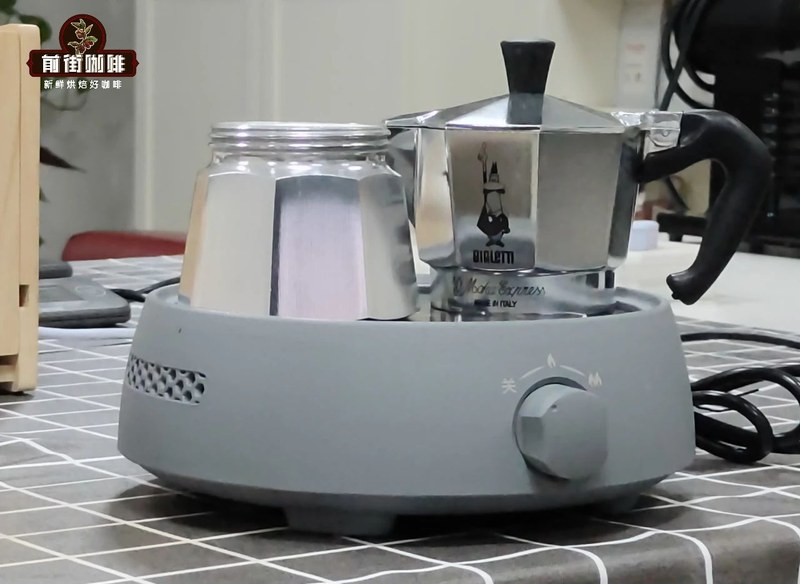
A moka pot relies on steam pressure to push hot water from bottom to top through the filter basket, making it a highly efficient extraction tool. Because dark-roasted beans extract quickly, if the lower chamber is filled directly with cold water and heated, the filter basket can easily produce a scorched taste under prolonged baking. Pre-filling the lower chamber with warm hot water and heating over medium-low heat can shorten the heating time of the coffee layer, allowing the aromatic oils of the dark-roasted beans to rise smoothly into the upper chamber.
When using a moka pot to make Qianjie Classic Blend, pour 120ml of 80°C warm water into the lower chamber up to below the safety valve, and gently and evenly fill the filter basket with 18g of medium-fine coffee grounds. Put the lid on the pot and place it on the stove over low heat for a single continuous extraction; when the coffee in the upper chamber reaches about 60ml and the color becomes lighter, turn off the heat quickly, with a total time of about 1 minute 40 seconds, yielding a base liquid with rich nutty aroma and a thick mouthfeel.
An espresso machine can provide constant mechanical pressure, and dark-roasted beans under a high-pressure environment will produce a rich reddish-brown crema. When dialing in espresso parameters, the density of the puck and the coarseness of the grind determine the speed at which water penetrates. Properly controlling the coffee-to-liquid ratio of the extraction can retain a clear dark chocolate base note in the espresso while making the mouthfeel rounder and fuller on entry.
To extract Qianjie Black Cocoa Blend with an espresso machine, you can set a brewing water temperature of 91°C and an extraction pressure of 9bar. Use 19g of evenly ground fine coffee, tamp it flat, and extract with a single continuous pressurized extraction, pulling 38ml of deep espresso within 26 seconds. At this point the crema layer of the coffee liquid is dense and lasting, with an intense dark chocolate weight and roasted nut aroma on entry, and it remains full-flavored whether mixed with ice water or hot milk.
During daily brewing, if you find that the extracted coffee tastes too thin or lacks complexity, you can slightly fine-tune the grind size or increase the contact time by 2 seconds; if you feel a slight astringency in the later stages, you can try lowering the water temperature by 1°C, or appropriately speed up the pouring rhythm during pour-over. Through small parameter adjustments, the sweetness of dark-roasted beans can be fully expressed.
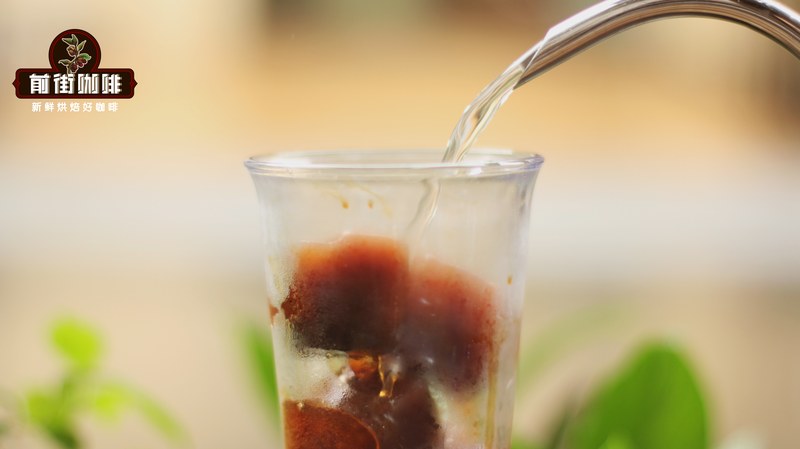
When making milk coffee drinks, the concentration parameters of dark-roasted beans need to match the milk fat content of the milk. Blend the espresso extracted from a moka pot or espresso machine with 150ml of microfoam milk steamed to about 60°C in proportion; the caramelized flavors brought by the dark roast will complement the lactose, forming a rich flavor similar to cocoa milk or a nutty latte.
Once you have mastered the extraction characteristics of different devices for dark-roasted beans, you can easily handle every cup of coffee by setting the grind, water temperature and time according to the characteristics of the beans on hand. Whether it is the warm sweetness of pour-over or the rich fullness of a moka pot and espresso, careful parameter tuning can let low-acid dark-roasted beans show their gentle and charming flavor appeal.
Related Reading

Comments (0)
Loading comments...
You May Be Interested


Trending Reviews
Popular Videos

With you, wherever you are! We provide useful features to help you find new things you'll love






