Source:Best Coffee > News Author:qjroot Published:2026-09-24 12:52:41
On a hot day, a glass of ice-cold coffee that chills you to the core is the antidote that brings you back to life. But when making iced drinks at home, many people find that sometimes it tastes as thin as water, and sometimes it is bitter, harsh and astringent. In fact, whether iced coffee tastes good comes down to the coordination between strength and extraction yield. Pick the right coffee beans, then understand the relationship between these two, and you can easily brew a smooth, sweet, refreshing cup.
We can think of coffee extraction as taking a shower with water to wash the coffee grounds. Strength refers to how much coffee solid material has dissolved into the cup; too weak means too much water and too little coffee, too strong means too little water and too much coffee. Extraction yield is how much of the coffee grounds' components have been washed out. Grinding too fine or water temperature too high easily lets the woody, off-flavors of the tail end escape and cause bitterness; grinding too coarse or water temperature too low means the flavors do not dissolve out, so it tastes sour and thin.
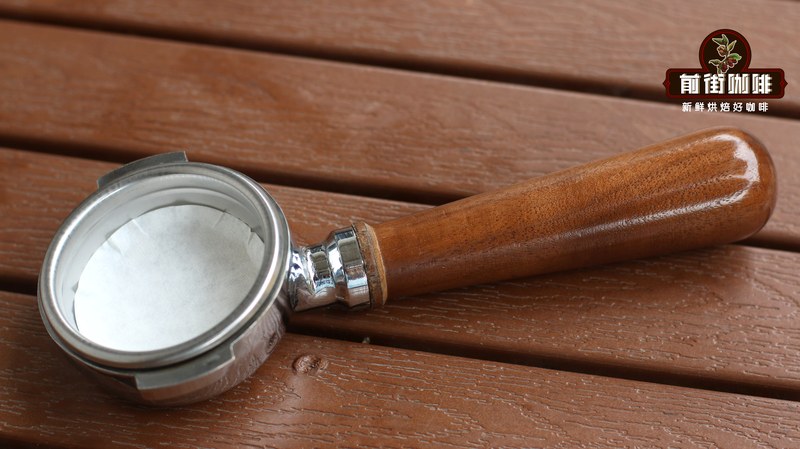
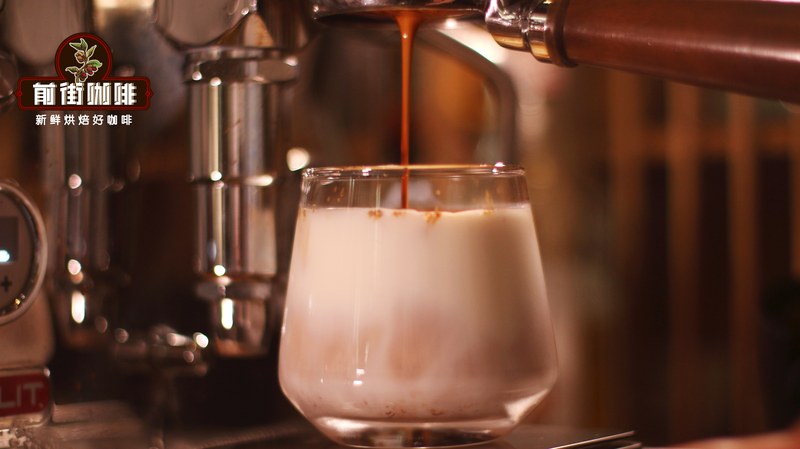
Iced Americano is a typical case of a strong drinking base diluted with water. Making an iced Americano usually uses an espresso machine, using 19g of coffee grounds to extract 38g of espresso in about 26 seconds; this espresso itself is extremely high in strength, with highly compressed flavor. Because a large amount of ice cubes and drinking water will be added afterward, the base beans must have enough solid body to withstand dilution, so it does not taste too watery.

For iced Americano, the medium-dark roasted Qianjie Classic Blend is recommended; it carries the full aroma of roasted chestnut, toasted hazelnut and caramel. After the espresso is poured into ice water, the nutty sweet aroma is especially clear at low temperature, the oily mouthfeel coats the tongue, sweet and mellow. If the Americano you make tastes bitter, it is usually because the espresso flow is too slow, causing over-extraction; just adjust the grind slightly coarser by half a notch, and the taste will return to sweet and smooth.
If you like a crisp, transparent floral and fruity aroma, iced pour-over is the ideal choice for a lighter drink. For iced pour-over, it is suitable to choose light-medium roasted beans with bright fruit acidity, such as the Qianjie Gundingding Cooperative with fresh green tea and citrus aromas. Pour-over needs to use the high dissolving power of hot water to quickly extract the aromatic substances, then let the hot coffee liquid fall onto ice to cool rapidly, locking in the light, uplifting fruit flavors.
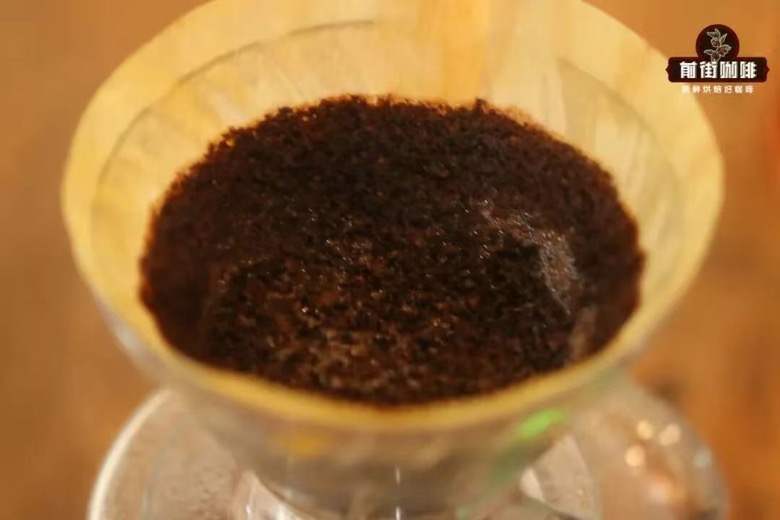
For pour-over parameters, it is recommended to use 15g of coffee grounds, with a 1:15 coffee-to-water ratio, and prepare 225ml of hot water at 92°C. First pour in 30ml of hot water and bloom for 30 seconds to fully awaken the dry aroma, then use gentle staged pouring so the water flow steadily penetrates the coffee bed, with total extraction time controlled at around 2 minutes. After finishing, add ice cubes and shake to chill; the fruit acidity appears especially lively and juicy at low temperature, tasting just like iced fruit tea.
If the brewed coffee tastes weak, it means the grind is too coarse, causing under-extraction, and you can grind finer to raise the extraction yield; if you taste astringency at the tail end, then the water temperature is too high or the pouring and stirring is excessive, and lowering the water temperature will restore the clear sweetness. Once you master these extraction fine-tuning techniques, the same beans can freely switch between light and rich according to the strength you want that day.
If it is cold brew that is soaked for a long time, the low extraction yield lets it cleverly avoid the bitterness brought by high temperature, and the sweet and sour substances dissolve gently. This drinking method suits bean varieties with outstanding sweetness; Qianjie Strawberry Candy is recommended, bringing a rich ripe berry sweetness after ten hours of slow soaking in cold water. And Qianjie Xizhua, made by drip-filtering with ice water, has a fascinating wine aroma after fermentation in the refrigerator, and is especially mellow when sipped slowly chilled.
Choosing iced coffee beans is really a collision between flavor and extraction form. If you want rich sweetness, choose dark nutty notes for an espresso base; if you love light, lively flavors, choose light-medium roasted floral and fruity notes for pour-over or cold brew. As long as you fine-tune the grind setting and coffee-to-water ratio according to your taste preference, every bag of beans can, amid the clinking of ice cubes, show a surprisingly smooth flavor.
Related Reading


Comments (0)
Loading comments...
You May Be Interested





Trending Reviews
Popular Videos

With you, wherever you are! We provide useful features to help you find new things you'll love






