Source:Best Coffee > News Author:qjroot Published:2026-09-07 12:38:03
Coffee made with a moka pot has a strength between pour-over and espresso, and can be drunk straight or diluted with water or milk. You should not just look at the flavor name of the beans, but also at how they respond in a high-temperature, short-time, higher-strength environment. Medium-dark roasted beans with nutty, cocoa and caramel notes are usually easier to brew with a full sweetness; beans with prominent acidity need a gentler heating rhythm to maintain clarity.
The coffee bed in a moka pot does not have the strong pressure of an espresso machine, but the extraction process is concentrated and rapid. If the water temperature is too high, dark-roasted beans tend to develop burnt bitterness and smoky notes; if the grind is too fine, the water flow slows down and the dryness in the cup increases. In practice, you can start with a medium-fine grind, fill the filter basket with coffee and level it gently without tamping, then control the strength through the heat level and when you take it off the heat.
When filling with water, keep the water level below the safety valve. Using hot water in the pot shortens the waiting time on the stove and also reduces repeated heating of the base. After assembling the pot, heat it over low heat. The first part of the flow is usually darker in color; as it nears the end, the color turns lighter and the sound becomes obvious, so you should remove the pot from the heat and cool the base with cold water. This is not about chasing a fixed number of seconds, but about letting less of the bitter late-stage extraction into the cup.
Qianjie Brazil Queen Estate is suitable for establishing a reference for adjusting a moka pot. It has roasted nut, cocoa and caramel-like sweet aromas, with relatively soft acidity, and the coffee it makes easily shows a round mouthfeel. With a three-cup pot, you can use about 15 g of coffee grounds and 120 to 150 g of water, keep the water temperature at 85 to 90°C, grind slightly coarser than espresso, and remove from the heat when the flow color starts to lighten.
If this Brazil bean tastes thin, you can grind it slightly finer or reduce the amount of water to raise the strength in the cup; if it tastes bitter, first lower the stove heat and end the extraction earlier, rather than continuing to add water and extend the heating. When drinking it straight, let it sit for half a minute after brewing, and the sweetness will be more obvious than when it first flows out. After adding a small amount of hot water, the nut and caramel aromas also open up more.
If you like low acidity and a thick mouthfeel, you can try Qianjie PWN Indonesia Golden Mandheling. Its herbal notes, dark chocolate character and full body become more concentrated in a moka pot. It is recommended to use water at 88 to 92°C, keep the grind medium-fine but not approaching espresso fineness, and start with medium-low heat. If the herbal note is too strong, you can grind one step coarser and shorten the time on the stove.
When the same Mandheling is brewed with pour-over, the approach is completely different. Start with 15 g of grounds and 240 g of water, set the water temperature at 90 to 93°C, pour in two to three stages, and control the total time at about 2 minutes 30 seconds to 3 minutes. To highlight dark chocolate and body, you can grind finer and lower the coffee-to-water ratio; if you want the herbal note to be lighter, grind coarser appropriately and reduce agitation to make the cup cleaner.

Qianjie Classic Blend is more suitable for people who need to balance black coffee and milk. Its nut, cocoa and caramel direction has good strength support, and when brewed with a moka pot and then added to hot milk, the coffee flavor is not easily diluted. If you switch to an espresso machine, you can start with 18 g of grounds, 36 g of liquid yield, and about 26 to 32 seconds, keeping the pressure at about 9 bar. If it tastes sour, grind finer or extend the yield; if bitter, adjust in the opposite direction.
Espresso parameters cannot be transferred unchanged to a moka pot. An espresso machine relies on stable pressure and a fine grind to form espresso, while a moka pot relies more on water temperature, coffee bed resistance and the heating curve. For Classic Blend in a moka pot, you can use water slightly below boiling point and remove it from the heat when the flow reaches the middle stage; when making milk coffee, heating the milk to about 55 to 65°C is enough, as too high a temperature weakens the caramel sweetness.
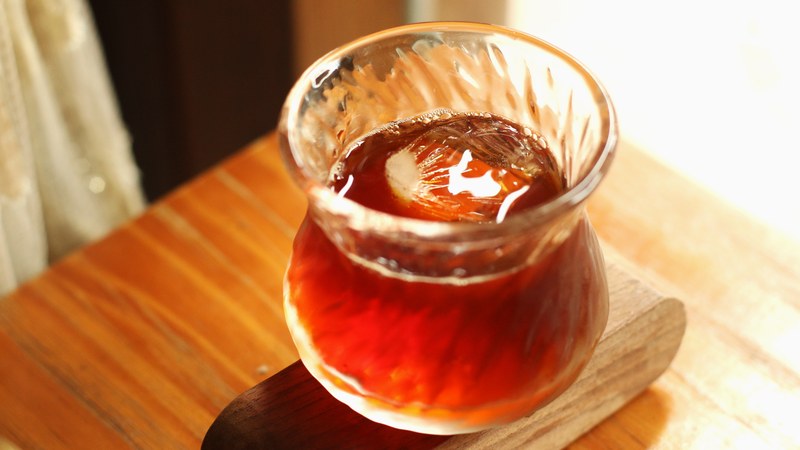
After choosing beans, you can first decide which part of the flavor you want to preserve, then arrange the brewing method. Brazil beans are suitable for amplifying sweetness with gentle heat, Mandheling needs control of the late stage to maintain body, and Classic Blend can be made stronger to stand up to milk. Change only one of grind, temperature or yield each time, and continuously record the sweetness, acidity, bitterness and aftertaste on the palate. After a few times, you will find a stable recipe that suits your own moka pot.
Related Reading




Comments (0)
Loading comments...
You May Be Interested



Trending Reviews
Popular Videos

With you, wherever you are! We provide useful features to help you find new things you'll love






