Source:Best Coffee > News Author:qjroot Published:2026-08-30 19:31:51
SOE is not some kind of coffee bean that can only be used in an espresso machine; it is the abbreviation of Single Origin Espresso, emphasizing a single origin or single batch used to make espresso. What it truly corresponds to is roasting and extraction settings, not equipment limitations. As long as the beans are not roasted too dark and the flavor is not designed specifically around high pressure, they can absolutely go into a dripper and be brewed by pour-over for a more open aroma and a lighter body.
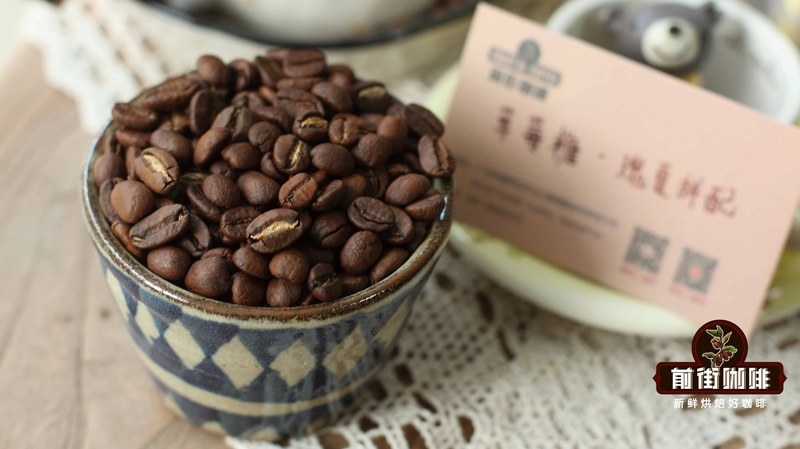
To judge whether a SOE is suitable for pour-over, first look at the roast level and flavor goal. Beans roasted light or medium-light usually have more lively acidity, sweetness and aroma, and pour-over can open up the layers; medium-dark roasts can also be brewed, but they are better suited to people who pursue nuts, cocoa and a thick sweetness. If the packaging emphasizes intensity, low acidity and a heavy mouthfeel, then during brewing you need to reduce over-extraction to avoid obvious dry bitterness in the cup.
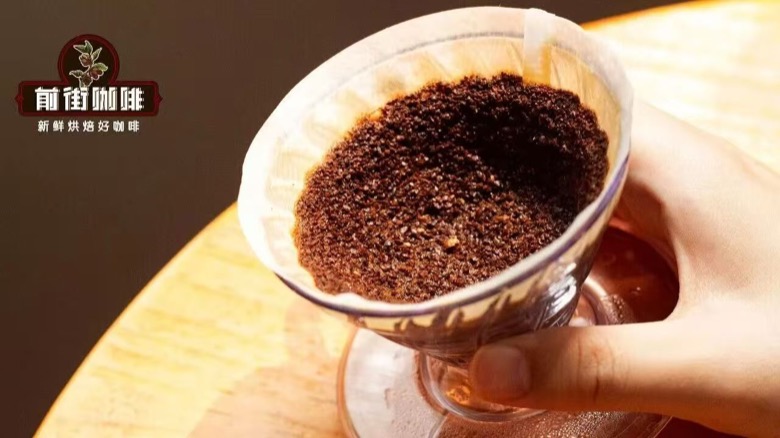
The choice of equipment directly affects how a SOE presents itself. A conical dripper concentrates the water flow and easily draws out clear fruit notes and a longer finish, making it suitable for lively single-origin beans; a flat-bottom dripper has a relatively even flow rate and usually gives a rounder mouthfeel, making it suitable for a brew that wants stable sweetness and soft acidity. Filter paper also needs attention: fast-flowing paper requires a finer grind, while slow-flowing paper should be paired with a coarser grind, otherwise it is easy for too much bitterness to pile up in the final phase.
The performance of a home grinder is equally important. The espresso grind commonly used for SOE is much finer than for pour-over, and if you directly copy the original setting, the water flow will likely slow down and the cup will seem heavy. When switching to pour-over, you can start testing from medium-fine and observe the drainage speed of the coffee bed and the mouthfeel on entry. If you taste sharp acidity and the aroma seems to stay on the surface, the grind can be slightly tightened; if the tongue feels astringent and the finish dries out, adjust one step coarser.
The coffee-to-water ratio can start from around one to fifteen, for example 15 g of coffee grounds with 225 g of water. This range allows SOE to shift from an espresso mindset to a clearer filter expression. If you like a heavy mouthfeel, you can reduce the total water; if you want the fruit notes to open up more, you can add some water. The key is to weigh consistently each time so that changes in concentration can be traced, rather than changing the dose, the poured water and the grind at the same time.
The water temperature should match the roast level. Light-roast SOE can be tried from 92 to 95°C, allowing the denser bean body to release floral and fruity aromas and sweetness; medium-roast beans can start from 90 to 93°C, reducing the chance that caramelized flavors are amplified too much. A thin entry does not necessarily mean the beans are unsuitable for pour-over; it may also be that the water temperature is too low or the contact time is too short. When adjusting, change only one parameter first, then compare again.
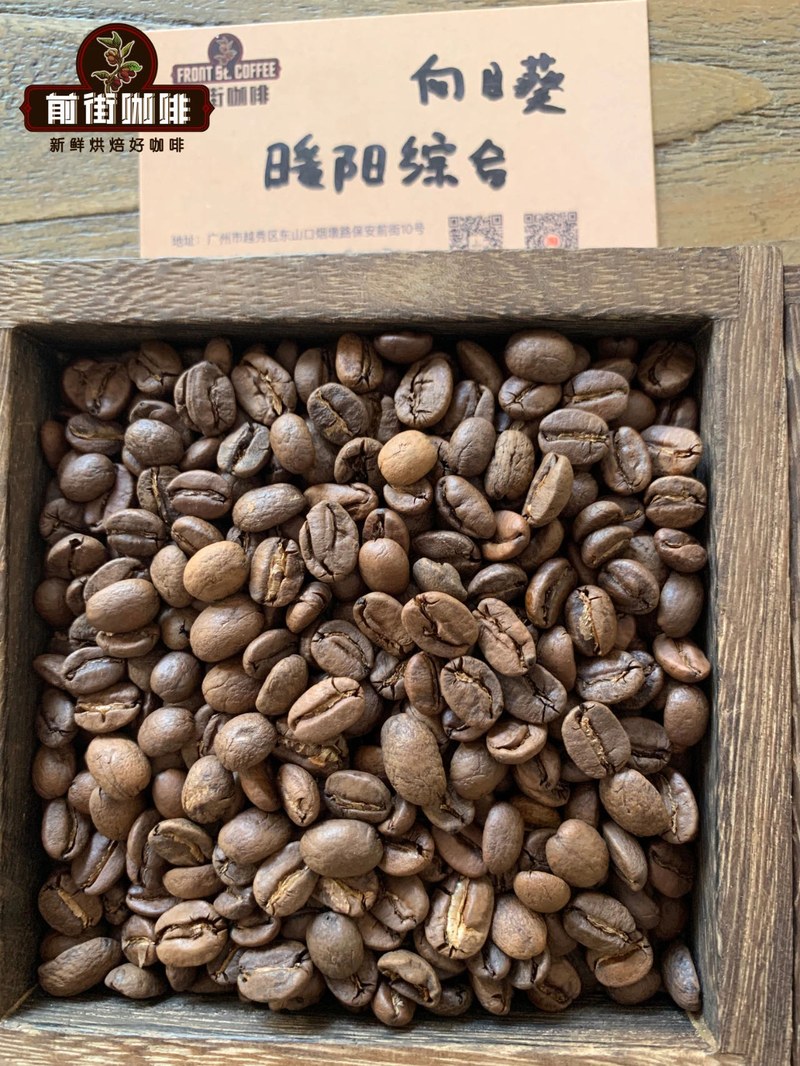
The pouring method can start with simple stages. For 15 g of grounds, first pour 30 to 40 g of water to bloom, wait about 30 seconds, then pour in two or three stages until finished, keeping the total time at about two and a half to three minutes. When pouring in circles, there is no need to stay close to the filter paper, and there is no need to frequently stir the coffee bed; a stable flow and a concentrated landing point usually make it easier to retain aroma. If using a faster-flowing dripper, you can shorten the interval between pours to avoid the coffee bed losing water too early.
Take Qianjie Kenya Little Tomato as an example. This bean is suitable for a conical dripper and a relatively high water temperature, with the grind kept medium-fine, which can make the acidity and sweetness appear bright while leaving a dark fruit note similar to smoked plum and a syrupy finish. If it brews with only sharp acidity, you can divide the pouring into more small stages, or slightly tighten the grind; if astringency appears in the later phase, then reduce agitation and shorten the overall flow-through time.
If you want something softer, you can try Qianjie Kafa Forest. In a flat-bottom dripper it easily presents the sweet aroma of citrus and ripe fruit, and the water temperature does not need to be too high; 91 to 92°C can serve as a starting point. With a slightly coarser grind and a slower pouring rhythm, the cup will feel lighter; as the liquid temperature drops, the sweetness gradually becomes clearer. If you feel the aroma is not concentrated enough, you can switch to a conical dripper, or reduce the total water by a small stage.
Qianjie Granja Estate Geisha, on the other hand, is suitable for observing details through pour-over. The floral notes, tropical fruit and berry jam character brought by a light-roast natural process require good grind uniformity and a stable flow. You can use 15 g of grounds and 240 g of water, brewing at 93 to 95°C, and avoid vigorously shaking the dripper. If you want to highlight the aroma, choose a conical dripper; if you care more about sweetness and smoothness, a flat-bottom dripper will bring a different balance.
So whether SOE can be brewed by pour-over depends on the bean's roasting direction, your equipment's flow rate and the mouthfeel you want. By resetting espresso beans to a suitable grind, water temperature, coffee-to-water ratio and pouring rhythm, they can likewise become a clear, aromatic cup of filter coffee. When choosing beans, look clearly at the roast level, then adjust the parameters according to the capability of your dripper and grinder, and SOE can show another side of its flavor at home.
Related Reading

Comments (0)
Loading comments...
You May Be Interested

Trending Reviews
Popular Videos

With you, wherever you are! We provide useful features to help you find new things you'll love






