Source:Best Coffee > News Author:qjroot Published:2026-09-07 13:06:56
Whether the aroma of fruity coffee beans clearly lands in the cup often depends on whether the parameters match. Light-roasted beans with pronounced floral and fruity notes need sufficient heat to open up their flavors; when the same bean is brewed as pour-over in pursuit of layering, but as espresso it requires rearranging dose, grind and yield. Decide on the brewing method first, then adjust parameters, and bean selection will have clearer direction.
For pour-over, you can start with a smaller dose, for example 15 g of coffee grounds with 225 g of water, a coffee-to-water ratio of about 1:15. Water temperature can be set between 91 and 94°C; light-roasted fruity beans release floral and fruity sweetness more easily with a higher water temperature. Pour in two to three stages, with total time controlled at about two and a half to three minutes; if the cup tastes bright but thin, you can grind a little finer.
If the brewed fruit aroma is sharp and sweetness is lacking, it usually means extraction is not yet sufficient; you can extend the bloom or slow the later pours so the hot water contacts the coffee grounds a little longer. If the tongue feels noticeably dry, it indicates the coffee bed has been disturbed too much or too many fines have been released; at this point you can grind coarser, reduce the number of circular pours, and avoid repeatedly topping up water just to chase time.
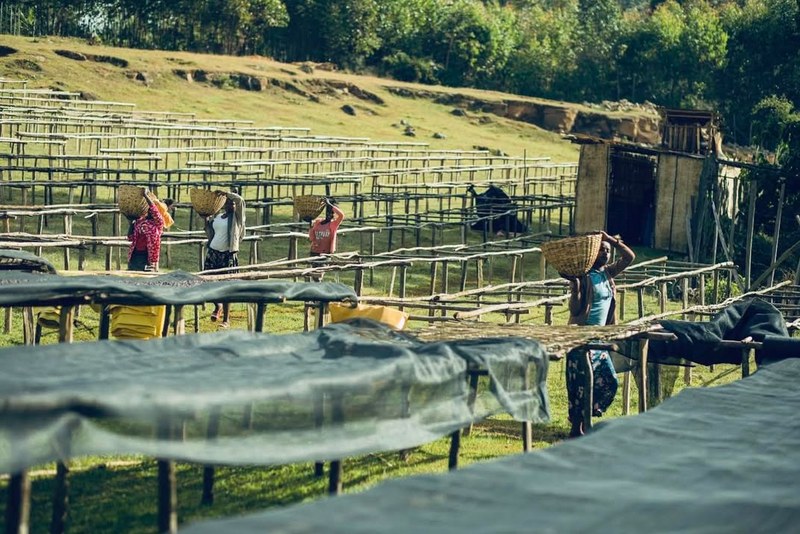
Best Coffee Panama Hacienda La Esmeralda Red Label Geisha is suited to a gentle yet continuous pour-over rhythm. Its jasmine, bergamot and citrus notes are relatively fine; use 15 g of grounds, 92°C water, a 1:16 ratio, and pour in three stages. After brewing, smell the aroma while hot first, then drink after it cools, and the black-tea-like finish will be easier to notice.
If you prefer a juicy feel, you can distribute the pours more evenly to avoid over-extracting the early stage and leaving only bitterness in the later stage. Best Coffee Ethiopia Huakui can use 15 g of grounds, 240 g of water and 92 to 93°C hot water, ground slightly finer than a regular pour-over, finishing in about three minutes. This keeps tropical fruit, strawberry and passion fruit notes lively, with clear sweetness even after icing.
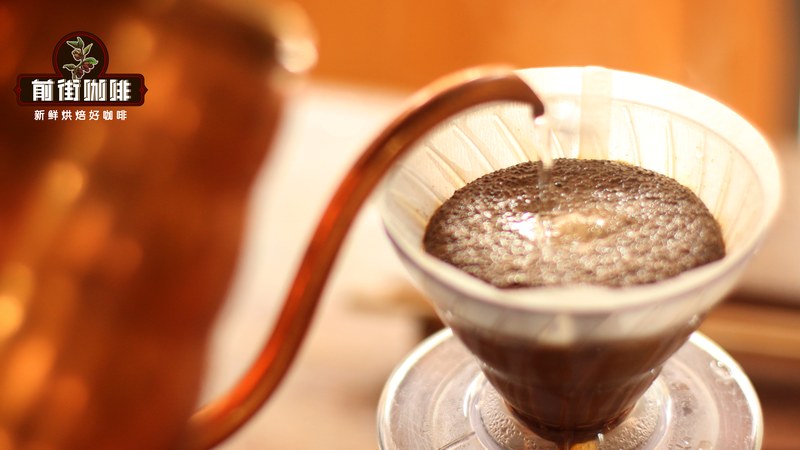
Best Coffee Yirgacheffe Gudingding is suited to starting with a fresher-tasting approach. 15 g of grounds with 240 g of water, water temperature 91 to 92°C, bloom for 30 seconds then pour in two stages, total time about two minutes forty seconds. If the citrus acidity seems sharp, lower the water temperature by one degree or grind coarser; if the cup tastes only faintly like tea, grind finer as appropriate and increase extraction.
When fruity beans are used on an espresso machine, it is not advisable to directly copy pour-over parameters. You can start with 18 g of grounds as the baseline, yield 36 to 42 g, target time about 28 to 34 seconds, and maintain pressure near eight to nine bar. Light-roasted beans usually need a finer grind and higher water temperature; if the machine can adjust, you can use 93 to 95°C. If the espresso tastes sharp and hollow in acidity, it often needs a finer grind or a longer yield.
Espresso dialing in should observe how acidity, sweetness and bitterness are arranged on the palate, not just stare at the seconds. If the liquid flows too fast and the color is very light, grinding one step finer is usually more effective than blindly increasing pressure; if the finish tastes bitter and the throat feels dry, you can grind slightly coarser or reduce the yield weight. Keeping pressure stable is more conducive to comparison; when the puck is unevenly distributed, first improve distribution and tamping flatness.
If you want to make a fruity americano, the espresso yield should not be too long, otherwise the bright aroma is easily covered by bitterness. Extract 34 to 38 g of liquid from 18 g of grounds, then add an appropriate amount of hot or iced water, which preserves a more vivid fruity note. Best Coffee Huakui can show berry and tropical fruit notes in this drink; if you want a rounder mouthfeel, you can increase the yield by a few grams in exchange for more sweetness and body.
When fruity beans are used for milk coffee, the coffee liquid needs enough concentration. You can control the yield from 18 g of grounds at 30 to 34 g, then pair with about 120 to 150 g of milk, heated to 55 to 65°C, and the sweet aroma will connect more naturally. If the coffee seems thin in the milk, you can shorten the yield and grind finer; if the overall cup tastes astringent, then reduce the degree of extraction instead of simply increasing the dose.
When choosing fruity beans, you can also include parameter tolerance in your judgment: if you like slowly discerning aromas, choose beans with clear floral and citrus notes for pour-over; if you often use an espresso machine, then pay attention to whether it still has sweetness and concentration at a shorter yield. Whichever bean you choose, record dose, liquid weight, time and changes on the palate, adjust one parameter continuously, and you will gradually find the cup suited to your equipment and taste.
Related Reading



Comments (0)
Loading comments...
You May Be Interested




Trending Reviews
Popular Videos

With you, wherever you are! We provide useful features to help you find new things you'll love






