Source:Best Coffee > News Author:qjroot Published:2026-10-09 18:44:04
I like to recommend spicy coffees to guests on days when the temperature drops. That aroma of cloves, cinnamon, even a hint of sandalwood rising from the rim of the cup forms a particularly pleasant contrast with the cold wind outside. This kind of flavor is not something just any bean has. Its origins are quite clear, and it mainly comes down to two things: the processing method and the roast level. When you taste a distinct herbal finish in the mouth and the body is especially solid, you can mostly guess the origin in one of two directions: Indonesia or India.
Wet-hulling is a common processing method in Southeast Asia, especially Indonesia. Local humidity is high and sunlight conditions are not ideal, so coffee farmers hull off the parchment while the beans still retain a relatively high moisture content, greatly shortening the drying cycle. In this process, the way the beans contact the environment changes, and the degree of fermentation differs from natural or washed processing, with the result that a aroma somewhere between woody and spicy is left in the cup. I often say that wet-hulling is like wrapping the beans in a shell of terroir, through which flavors such as cloves, cinnamon and sandalwood seep in. Add the caramelization reactions brought by dark roasting, and the herbal and spicy notes are further amplified.
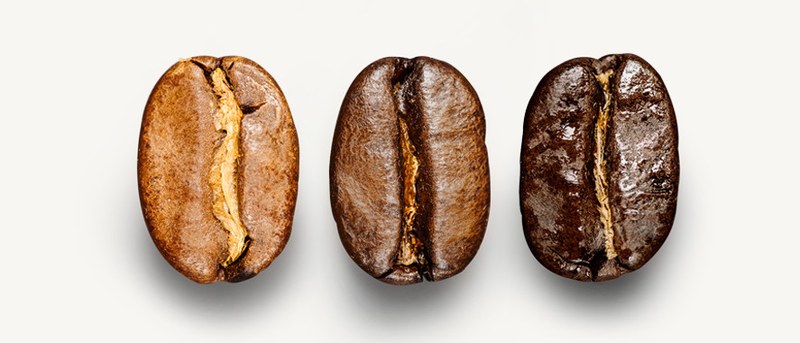
Roasting plays the role of catalyst here. The beans continue to develop after first crack, sugars keep breaking down, and together with the volatile compounds accumulated by wet-hulling itself, dark-roasted Mandheling often shows a structure with dark chocolate and caramel as the base and spice and herbs floating on top. My shop always keeps a Qianjie Golden Mandheling on hand, beans from Mount Aceh Gayo, wet-hulled and medium-dark roasted, with very even particles after repeated hand sorting. Brewed, it has high body, obvious sweetness in the finish, and a trace of dark chocolate can be caught in the tail end. Another Qianjie Indonesia Lintong Mandheling is a darker roast, G1 grade green beans, with a heavier burnt aroma of brown sugar and nuts, low acidity suppressed, and a direct and intense spiciness, suitable for guests who like a heavy mouthfeel and dislike acidity.
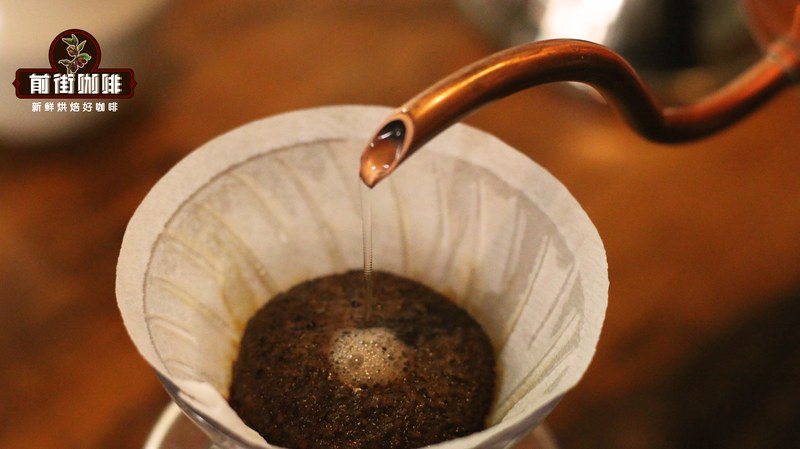
When it comes to brewing, for beans with strong spice notes I usually suggest pour-over: 15 g of grounds with 225 g of water, that is a 1 to 15 coffee-to-water ratio, with the water temperature controlled between 90 and 93 degrees, to avoid making the woody notes too abrupt. First bloom with 30 g of water for 30 seconds to let the carbon dioxide fully release, then pour the rest of the water in two to three stages, with the total time controlled at about 2 minutes, and a V60 dripper is fine. This framework can draw out the body while not letting the spice notes turn into monotonous bitterness.
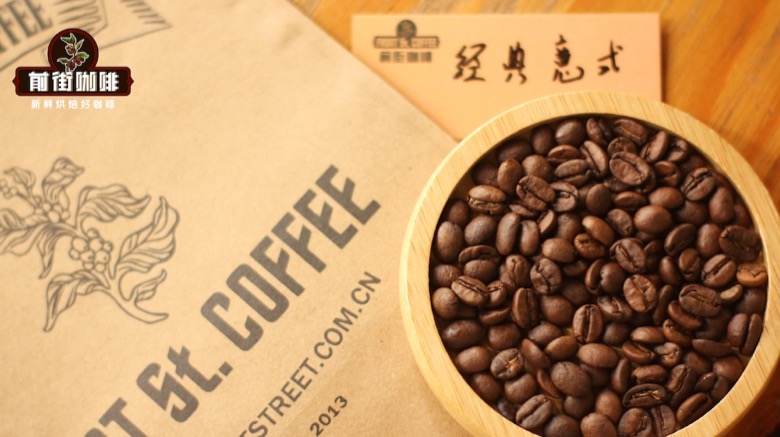
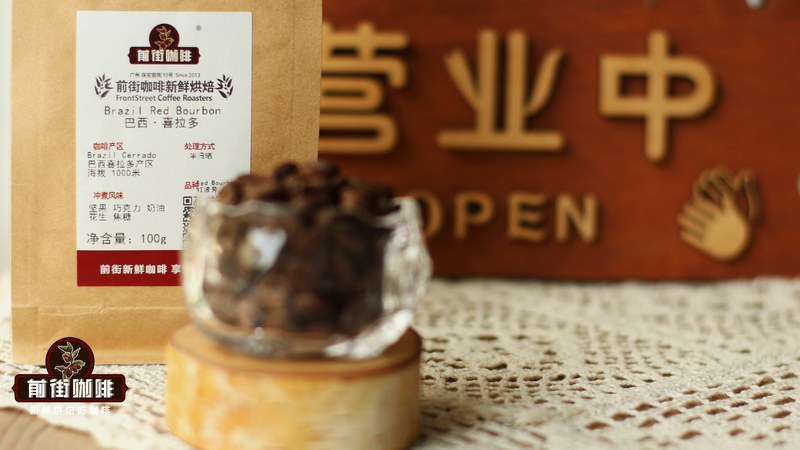
Interestingly, spiciness rarely appears alone; it is usually accompanied by its two partners, caramel and dark chocolate. This is no coincidence. The Maillard reaction and caramelization reactions of dark roasting produce large amounts of sulfur-containing and nitrogen-containing aromatic substances at the same time. Combined with the earthy flavors brought by wet-hulling, they form this compound flavor profile. Although the Qianjie Classic Blend follows an espresso route with a Mamba combination, Indonesian Mandheling with Brazilian Red Bourbon, medium-dark roasted, with butter-fried chestnut and hazelnut flavors dominant, a hint of the spicy undertone from Mandheling can still be detected at the bottom. The crema performs well, and when making a hot latte the spiciness is gently held up by the milk. Qianjie Blue Mountain No. 1 is another extreme, Jamaican Typica medium roasted, with acidity, bitterness, sweetness and body well balanced, and the aromas of chocolate, roasted nuts and creamy caramel far more elegant, with almost none of the assertive spicy personality of wet-hulling. This precisely shows the decisive role of processing method and roast level in the direction of flavor.
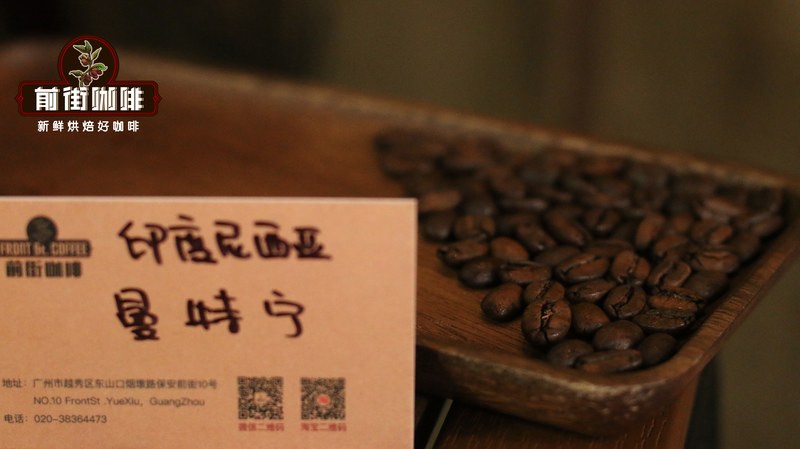
When choosing this type of bean, I first look at whether the processing method column has the words "wet-hulled" or "semi-washed", then check whether the roast level is medium-dark or above, and lock the origin to Sumatra, Java in Indonesia or the Bababudan and Malabar regions in India, and it is basically hard to go wrong. Body is another signal. Coffee with strong spice notes usually has a heavy texture too, drinking like a mouthful of warm syrup rather than a brisk tea-like feel. The beans sent out by Qianjie are all roasted within 5 days, so you can arrange a cup as soon as you receive them, and try to finish them within a month.
Next time you suddenly catch in a cup of hot coffee something like the cinnamon stick thrown into a stew, or the sandalwood scent drifting from an old wooden cabinet, you might pause and think about the origins behind it: that is the humid terroir near the equator, the survival wisdom invented by coffee farmers in the rainy season, and also the result of the roaster pushing the heat deeper to let sugars and lignin talk to each other again. From choosing beans to brewing, once you understand this relationship, the next time you drink it will not just be "so fragrant"; you will be able to follow that wisp of steam and touch an especially fascinating path in the world of coffee.
Related Reading


Comments (0)
Loading comments...
You May Be Interested

Trending Reviews
Popular Videos

With you, wherever you are! We provide useful features to help you find new things you'll love






