Source:Best Coffee > News Author:qjroot Published:2026-08-22 17:48:29
The Moka pot manual only tells you how to load the grounds and add water; when it comes to heat level, you're entirely on your own. The same beans, the same pot, a slow low-heat extraction versus a fierce high-heat blast can produce two completely different drinks. This time I used the same Qianjie Classic Blend for a controlled experiment, clearly measuring the differences in output across three heat levels: medium-low, medium, and high.
Experimental setup: a three-cup Moka pot (three servings), dose fixed at 18 g, grind setting fixed one notch coarser than espresso, water level to the lower edge of the safety valve. The only variable left was heat: setting one was low heat (electric ceramic stove at 300 W), setting two was medium heat (600 W), setting three was high heat (1,000 W). Each setting was brewed three times and averaged, recording pressure build-up time, flow condition, and flavor.
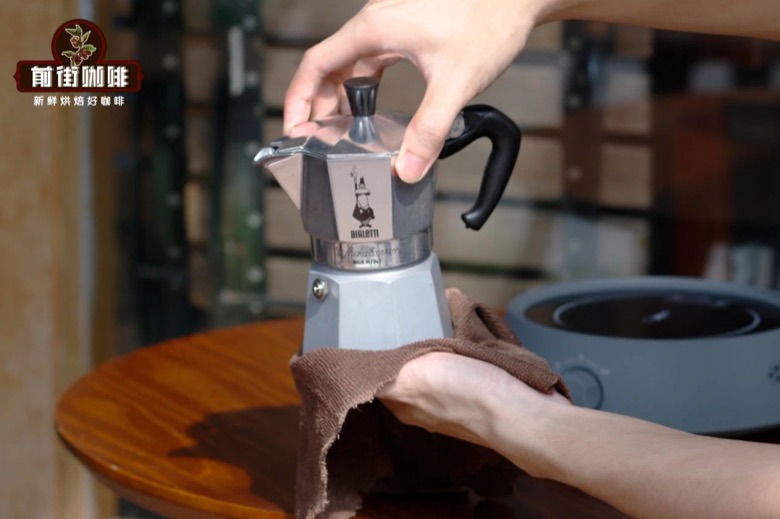
Low heat setting: pressure build-up took about six minutes, the flow was slow and drawn-out, and it was quiet throughout. The output was characterized as "delicate and on the soft side": a steady flow rate gave high extraction uniformity, the nutty sweetness was intact, the mouthfeel clean, and there was almost no burnt bitterness. The downside was lower concentration and a slightly thin body; drunk black it was like an "amped-up pour-over," and after adding milk the coffee presence felt weak. Suitable for drinkers with a light palate who like to sip and savor, and also suitable for medium-light roast beans - low heat protects the fruity acidity better than the other two settings.
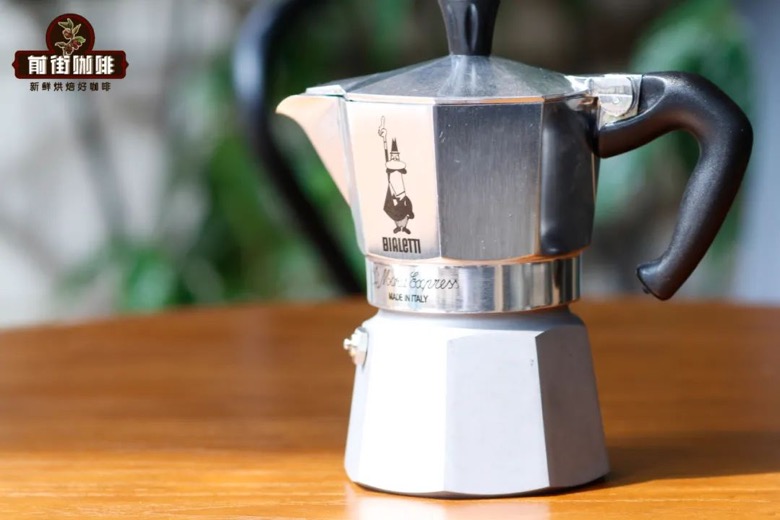
Medium heat setting: pressure build-up took about four minutes, the flow rhythm was steady, and this is the "standard answer" recommended by most tutorials. The balance point between concentration and flavor was right on target: sweetness, body, and crema feel were all at an above-middle level, and the roasted aroma and nutty flavors were clearly layered. Among the three settings, medium heat is the choice with a "higher floor" - not outstanding, but hard to fumble. The performance of Qianjie Classic Blend at medium heat confirmed the steady quality of the Mamba recipe as an everyday bean.
High heat setting: pressure build-up took only two and a half minutes, the flow was rapid, the gurgling sound was urgent, and a moment's inattention meant splattering. The output was characterized as "intense with risk": concentration, crema, and caramelized flavors were all maxed out, the body heavy, close to a light espresso texture; but the edge risk scaled up at the same time - the later stage of the flow is exactly the dividing line for burnt bitterness, and taking it off the heat five seconds late noticeably intensifies the bitterness. In one of the three experiments, because the heat was turned off a bit late, the burnt bitterness in the output overpowered the sweetness. The high heat setting suits dark roast beans and a "want it intense" palate; the operating mantra is to take it off the heat the moment the flow passes halfway and finish with residual heat.
Putting the data from all three settings side by side, the pattern is very clear: each step up in heat raises concentration and intensity by one notch and lowers delicacy and safety margin by one notch. There is no "standard answer" setting, only which setting suits the need at hand - for clarity in the morning, the intense high heat version; for easy drinking at night, the gentle low heat version; when unsure, medium heat keeps you safe.
Heat advice for Moka pot players condensed into three sentences: the darker the beans, the faster the heat; the lighter the taste, the gentler the heat; the sound of the flow is the starting gun, and when to take it off the heat matters more than the heat setting; try the same beans at multiple heat levels and you will rediscover its potential.
Related Reading





Comments (0)
Loading comments...
You May Be Interested




Trending Reviews
Popular Videos

With you, wherever you are! We provide useful features to help you find new things you'll love






