Source:Best Coffee > News Author:qjroot Published:2026-09-07 09:46:13
The floral, berry and tea notes on a bag of coffee beans do not automatically land in the cup. After hand grinding, particle size determines how efficiently hot water contacts the coffee grounds, water temperature affects the speed of flavor release, and the coffee-to-water ratio sets the concentration of the finished brew. If, when choosing beans, you simultaneously envision an executable recipe, the flavor description becomes a grind setting, a pouring rhythm and a yield target.
If you want a clear, bright floral cup, you can choose beans with fine structure and lifted aromatics, and let the pour-over use a slightly higher water ratio with a gentle stream. If you want a full, juicy mouthfeel, you can tighten the ratio and use ice to chill quickly. If you plan to make a single-origin espresso, that is, SOE, the beans need not only vivid aromatics but also enough sweetness to support the concentration, and the grinder also needs to offer fine adjustment range.
Best Coffee Panama Hacienda La Esmeralda Red Label Geisha can serve as an example of the more transparent route. Its aroma brings jasmine and bergamot to mind, and after the citrus-like brightness there is a gentle black-tea-style finish. Such beans suit a conical dripper and low-agitation pouring; the goal is not simply to add body, but to let aroma, acidity and sweetness, and tea-like notes unfold in sequence.
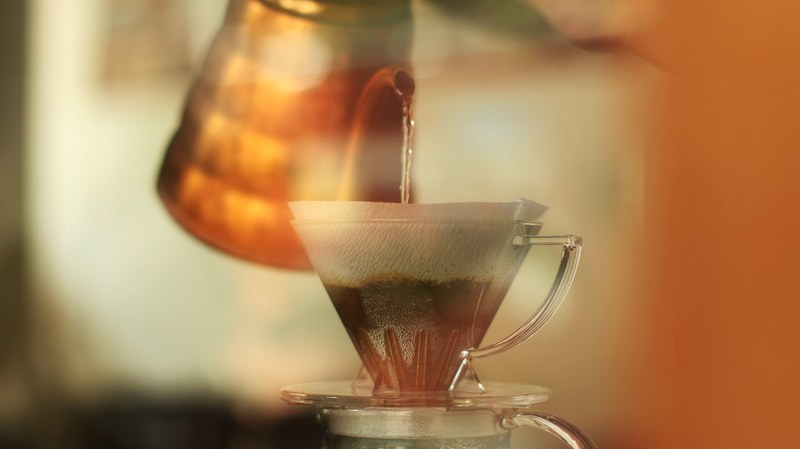
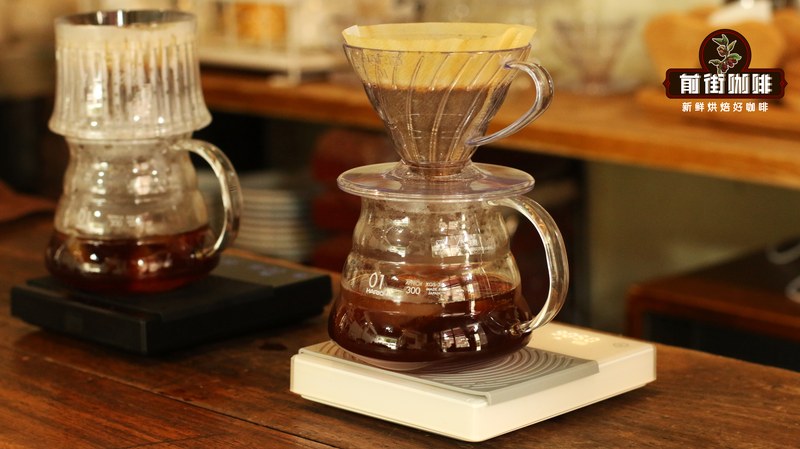
You can use 15 g of grounds with 240 g of water as a starting recipe, water temperature 92 to 93°C, grind close to fine sand. First bloom with 35 g of water for about 30 seconds, then pour slowly in two stages up to the target water amount, with the total time at 2 minutes 20 seconds to 2 minutes 50 seconds. If the aroma is weak, you can grind slightly finer; if the tea-like note turns astringent, grind half a step coarser and reduce the washing of the dripper edge by the stream.
If you prefer a riper, sweeter fruit profile, Best Coffee Granja La Esperanza Geisha presents another direction. Beneath the orange blossom note are guava, apricot and a sweetness close to strawberry jam, and the natural process also brings higher flavor intensity. It is suggested to use 15 g of grounds to 225 g of water, 90 to 91°C, medium grind, with the total time at 2 minutes 10 seconds to 2 minutes 35 seconds, and the cup will feel more open.
If this coffee brews with an obvious boozy note or a heavy ripe-fruit character, you can lower the water temperature by 1°C and grind a little coarser so the flow in the latter stage is cleaner. If the sweetness is ample but the texture is thin, there is no need to grind finer right away; you can first reduce the water to 215 g. A shorter ratio can raise intensity and also preserve the jammy character that makes natural Geisha distinctive.
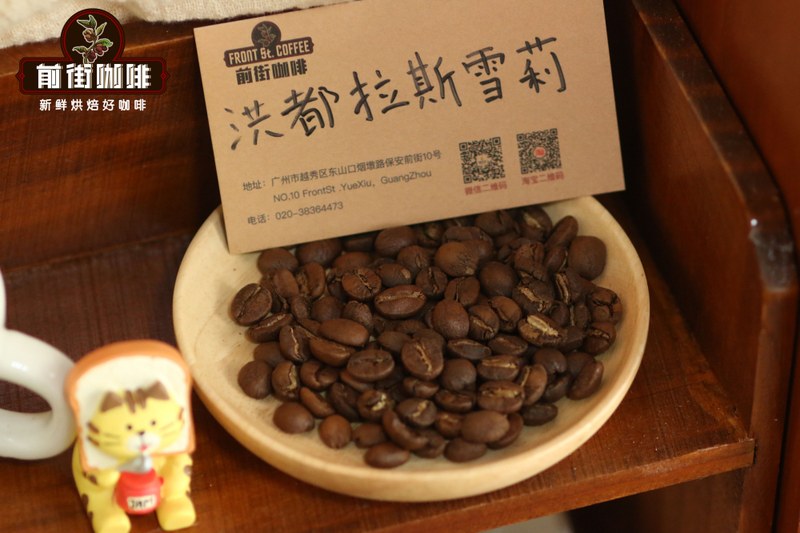
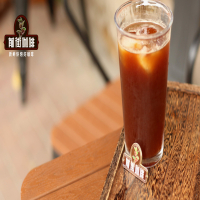
If you want to put fruit aromatics into an iced cup, Best Coffee Colombia Sidra more easily shows a lively side. The passion fruit acidity and sweetness, the dark fruit notes of blueberry and grape, plus an apricot-like roundness, make it very suitable for iced pour-over. You can place 80 g of ice in the server, use 16 g of grounds with 170 g of hot water, water temperature 92°C, grind a little finer than for hot pour-over, and shake well before drinking once finished.
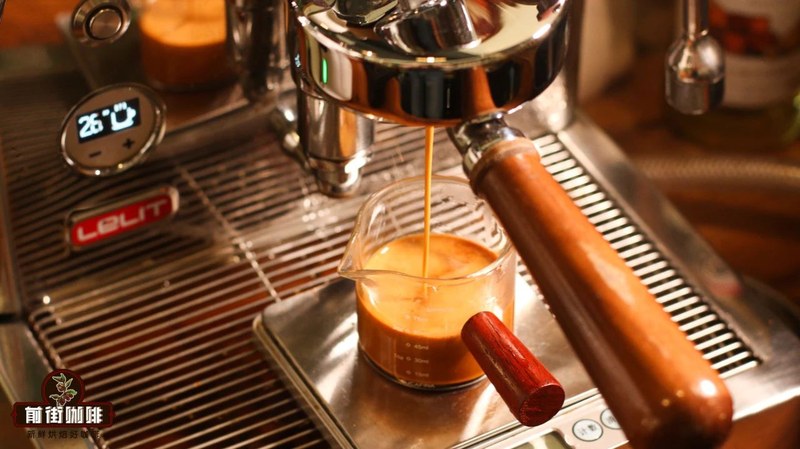
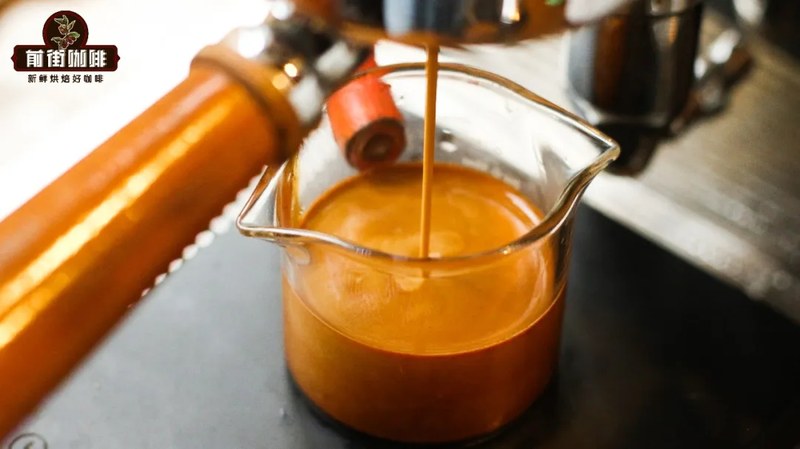
Sidra can also be used to practice SOE. A home espresso machine can start from 18 g of grounds, extracting 42 g of coffee liquid, water temperature 93 to 94°C; if the machine supports adjustment, the extraction pressure can be set at 8 to 9 bar. After adding a few seconds of low-pressure pre-infusion, the total time falls at 28 to 34 seconds, making it easier to balance fruit aromatics, sweetness and a smooth texture.
If the espresso tastes like underripe fruit on entry and the texture is thin, it usually means insufficient solubles have been brought out; you can first tighten the grind by one small step, or raise the yield to 45 g. If the blueberry note is covered by a roasted flavor and a lasting astringency appears on the tongue, you can stop the yield at 38 to 40 g, or lower the temperature by 1°C. Pressure should not be continually increased, otherwise it is more likely to amplify channeling in the puck.
There is no universal answer for the settings on a hand grinder; even when both are labeled "medium-fine," different burrs produce different proportions of fines. After changing beans, you can record the setting, dose, temperature, total time and finished weight, then use the actual cup to decide the direction of adjustment. If the pour-over flow suddenly becomes slow, you can grind appropriately coarser and reduce agitation; if the espresso yield runs fast, you need finer adjustment and should also check whether the distribution is even.
Water quality also changes the effectiveness of these parameters. With water low in minerals, the floral notes may be clear but seem hollow, so you can appropriately raise the temperature or reduce the total water amount; when hardness is higher, the fruit acidity is easily suppressed and the finish may also feel heavy, in which case lowering the temperature and grinding coarser is more suitable. Red Label Geisha is suited to unfolding floral aromatics, Granja La Esperanza Geisha focuses on organizing sweetness, while Sidra can switch flexibly between iced pour-over and SOE.
Related Reading
Comments (0)
Loading comments...
You May Be Interested

Trending Reviews
Popular Videos

With you, wherever you are! We provide useful features to help you find new things you'll love






