Source:Best Coffee > News Author:qjroot Published:2026-09-02 18:42:11
Light-roast floral coffee beans suit equipment parameters that bring out the floral notes, fruity acidity and sweetness step by step. Pour-over lets you taste the aroma clearly, iced pour-over makes the fruit flavors lighter and livelier, and cold brew softens the acidity. If you have only one piece of equipment at home, there is no need to rush to change beans; first look at the dripper shape, the pouring method and the mouthfeel on entry, then adjust the grind, water temperature and coffee-to-water ratio. Light-roast beans can likewise brew into a smooth cup.
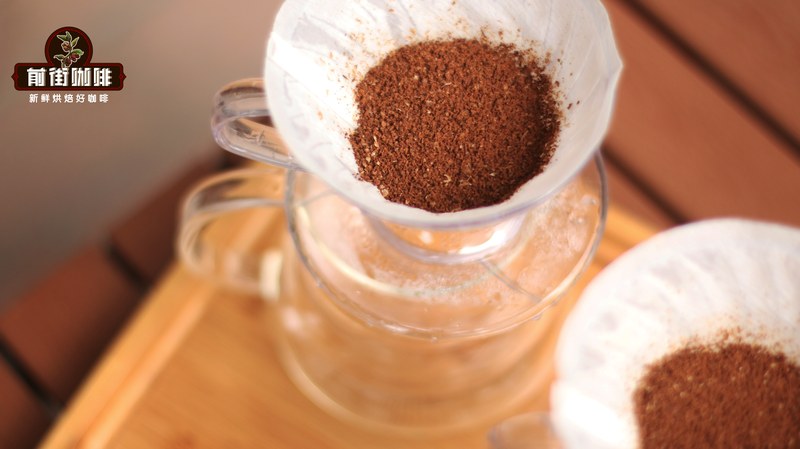
The drainage speed of the dripper directly affects how light-roast beans perform. With a conical dripper, for example, the water flow concentrates in the center of the coffee bed, making it suitable for layering the aroma through staged pouring; a flat-bottom dripper keeps the bed depth more consistent and the extraction rhythm relatively even, suiting a cup where you want stable sweetness and acidity that does not jump out too much. If the flavor often feels sharp when using a dripper, you can reduce agitation and high-volume pouring impact to keep the coffee bed settled.
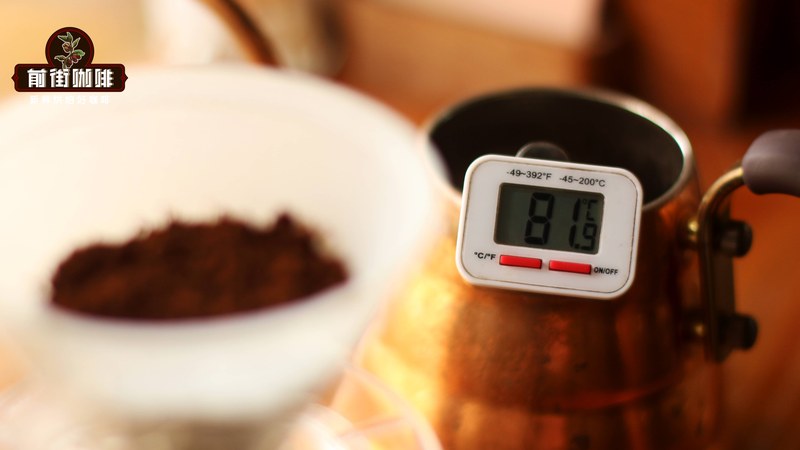
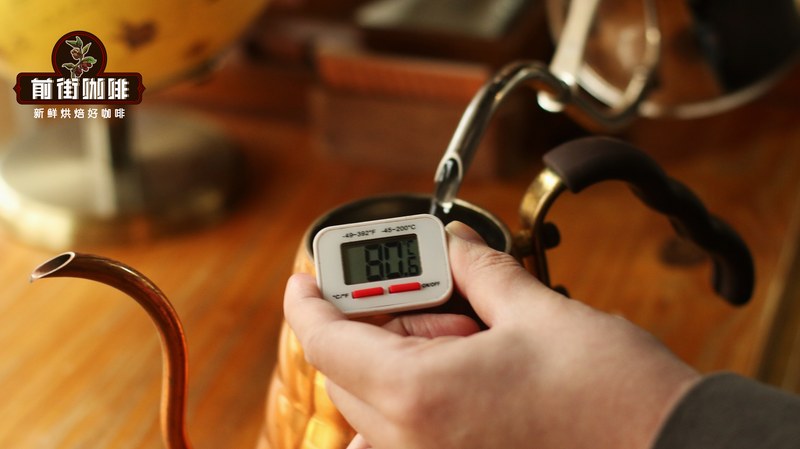
Taking pour-over as an example, you can start with 15 g of ground coffee to 225 g of water, a ratio of about one to fifteen. Light-roast beans usually need more sufficient heat, so the water temperature can sit between 92 and 95°C; start with a medium-fine grind and keep the total extraction time at around 2 minutes 30 seconds to 3 minutes. If it tastes like lemon peel and feels thin, the extraction is insufficient, so you can grind slightly finer; if the tongue feels dry and the finish is astringent, grind a little coarser or reduce the circling pours.
When using a conical dripper for Qianjie Yirgacheffe Gudingding, it suits a lighter water flow poured in three stages, letting the citrus and berry aromas gradually emerge as the temperature drops. You can first pour 30 g of water and bloom for 35 seconds, then pour in two stages up to 225 g, trying to avoid continuously disturbing the coffee bed. This way the cup has a petal-like aroma and fresh fruity acidity, and after it cools it leaves a light finish reminiscent of green tea, suitable for breakfast or drinking alone in the afternoon.
If using a flat-bottom dripper, the water temperature can be kept at around 93°C and the pouring action need not be too complicated. First wet the ground coffee with 40 g of water, wait about 40 seconds, then complete the total water volume with two to three steadier pours. The flat-bottom structure easily forms a more even coffee bed, which suits making the sweetness of light-roast beans fuller. For those who like a softer mouthfeel, the ratio can be widened to one to sixteen to reduce the impact of strong acidity.
Qianjie Ethiopia Huakui placed in a flat-bottom dripper tends to show bright tropical fruit notes when hot, and as the temperature drops the aromas like strawberry and passion fruit become easier to identify. If the acidity feels too lively, you can lower the water temperature to 91 to 92°C, or adjust the grind slightly coarser; if the aroma seems loose, then narrow the coffee-to-water ratio and use one to fourteen point five to make the sweetness and fruit flavors in the cup more concentrated.
Consumers who prefer convenience can choose an immersion dripper or a French press. In an immersion environment, light-roast beans do not require frequent control of the water flow; the parameters can start from 15 g of coffee, 240 g of water and 93°C, steeping for 3 minutes 30 seconds and then slowly separating the coffee liquid. The grind should be coarser than for ordinary pour-over to avoid fine particles making the mouthfeel muddy. A longer steeping time raises sweetness and body; a shorter time makes the aroma lighter, suiting a fresher cup profile.
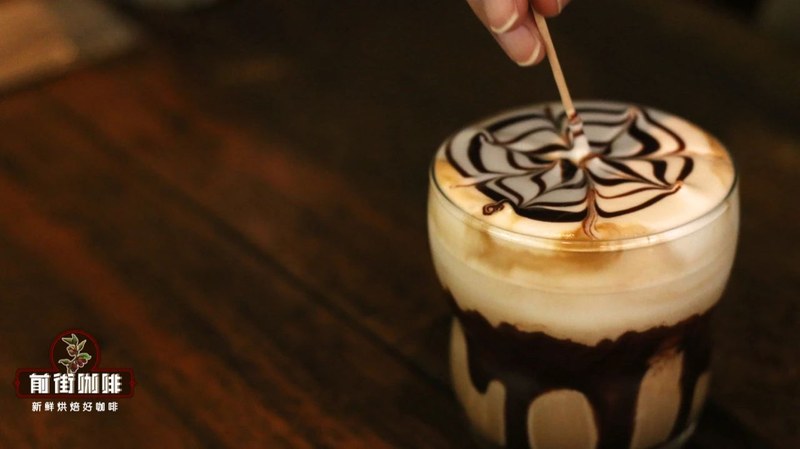
Iced pour-over is better suited to hot weather and can also make floral beans seem brisk. For 15 g of coffee you can use 150 g of hot water plus 75 g of ice, keeping the hot water at around 93°C, bloom for 30 seconds first, then complete the pouring in two to three stages. The ice will dilute and rapidly lower the temperature, so the grind should not be too coarse, otherwise the aroma easily seems thin. Using Qianjie Kenya Little Tomato this way preserves a cherry tomato-like fruity acidity and dark plum notes, with a brown sugar-like sweetness at the finish.

The parameter logic of a cold brew pitcher is different; low temperature slows the release of flavors, which suits rounding out the acidity. For light-roast beans you can use 20 g of coffee with 260 g of water, grind to a coarse sugar-like texture, steep in the refrigerator for 10 to 14 hours, then filter and drink. If the result is weak and lacks aroma, you can extend the steeping time or grind slightly finer; if the mouthfeel is cloudy and the finish woody, shorten the time and confirm that the filter paper or mesh has not accumulated too many fine particles.
Light-roast floral beans can also be tried on an espresso machine, but the parameter goal should shift from clear aroma to concentrated sweetness. Taking 18 g of coffee as an example, you can first extract 36 to 42 g of coffee liquid in about 28 to 35 seconds at around 93°C, then fine-tune according to changes in acidity and bitterness. When making an Americano, adding hot water preserves the floral and fruity aromas; when making a milk coffee, it is recommended to reduce the proportion of milk so the fruit aromas of the coffee liquid are not completely covered. Whichever equipment you use, first choose the cup profile you are willing to use repeatedly, then adjust around the concentration on entry, aroma intensity and length of finish, and light-roast beans will show different characters through parameter changes.
Related Reading


Comments (0)
Loading comments...
You May Be Interested

Trending Reviews
Popular Videos

With you, wherever you are! We provide useful features to help you find new things you'll love






