Source:Best Coffee > News Author:qjroot Published:2026-10-07 12:39:27
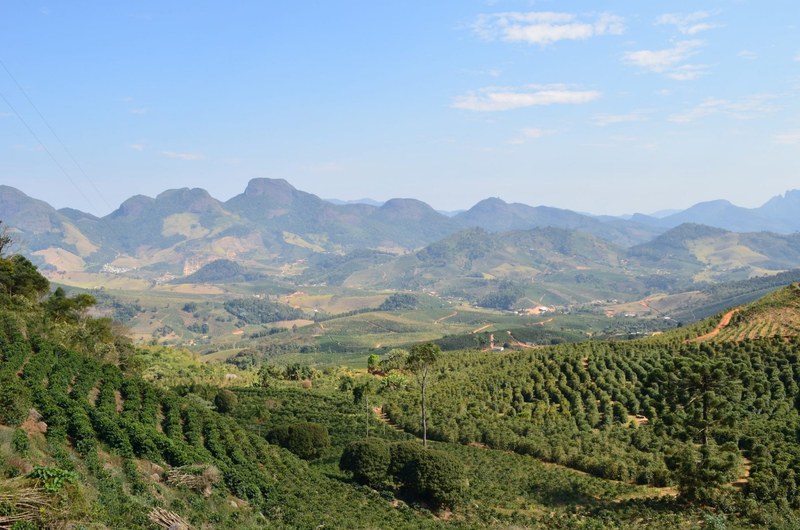
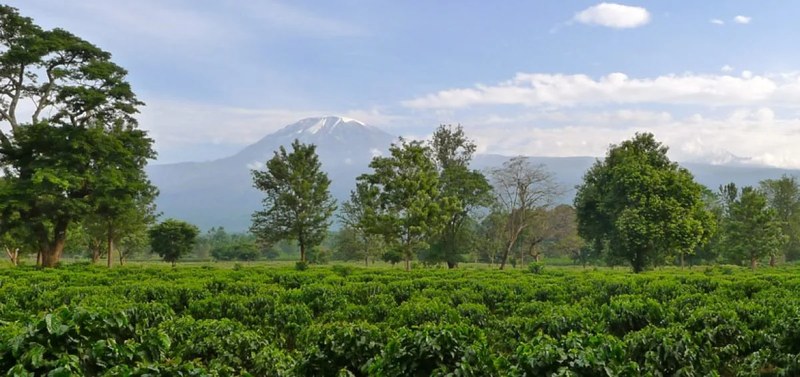
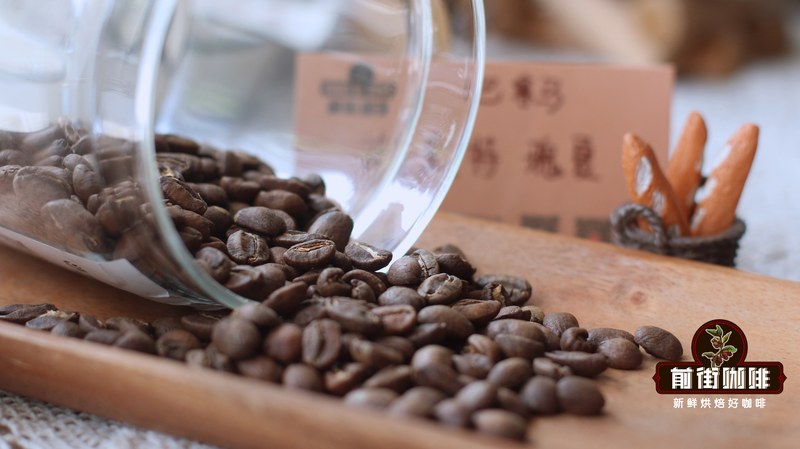
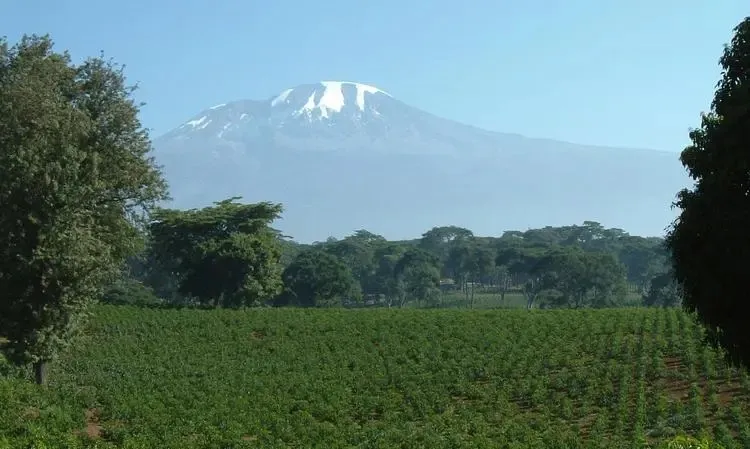
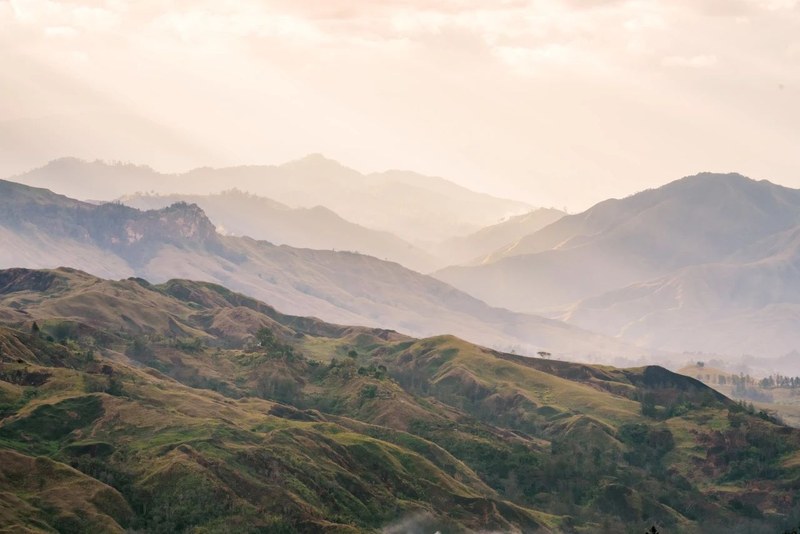
As a core producing region on the world coffee map, Brazil has vast growing areas, yet the differences within its regions are often overlooked. To truly understand Brazilian coffee, you first need to sort out the threads of its three main producing regions. Cerrado is located on the central Brazilian plateau, where altitude and climate conditions are stable, Red Bourbon grows especially robustly here, and the pulped natural process allows the beans' nutty character to fully unfold. Mogiana sits right next to South Minas, its red volcanic soil is rich in minerals, and Yellow Bourbon, a genetic mutation of Red Bourbon, was born here, with a fruit character cleaner and brighter than Red Bourbon. South Minas itself is also a traditional high-quality producing region, and together the three form the base style of Brazilian coffee: "low acidity, full body, balanced." Qianjie Brazil Cerrado Red Bourbon comes precisely from this lineage, and the combination of pulped natural processing and a medium roast presents rich aromas of creamy peanut, toasted bread, caramel and hazelnut, with a round mouthfeel, low acidity and a slight bitter note; this style allows it to perform consistently in pour-over, moka pot, espresso SOE, siphon, French press and many other brewers.
When choosing Brazilian beans, variety and processing method are the two key clues. Red Bourbon has a long cultivation history in Brazil, with flavors leaning toward nuts and caramel; Yellow Bourbon, due to its genetic characteristics, accumulates sugars differently, and after brewing you can often catch a clearer, fresher sweetness. As for processing methods, Brazil generally uses pulped natural, that is, removing the skin while retaining part of the mucilage for drying; this method preserves more body than washed processing, yet is cleaner than traditional natural processing, with moderate acidity and a balance of sweetness and bitterness, making it a very good match for a medium roast. On roast level, medium roast is the classic choice for Brazilian beans, as it can develop the sweetness brought by caramelization without letting the inherently low acidity disappear entirely. For freshness, look at the roast date; it is recommended to choose beans within one month of roasting for the best flavor, and 4 days of resting is enough, since Brazilian beans' oils and aromatic compounds are released relatively quickly at a medium roast level, so there is no need to wait excessively. To recreate a nutty-caramel milk coffee at home, you can try Qianjie Classic Blend; the combination of Brazil and Mandheling has a thick body, making a very stable latte base.
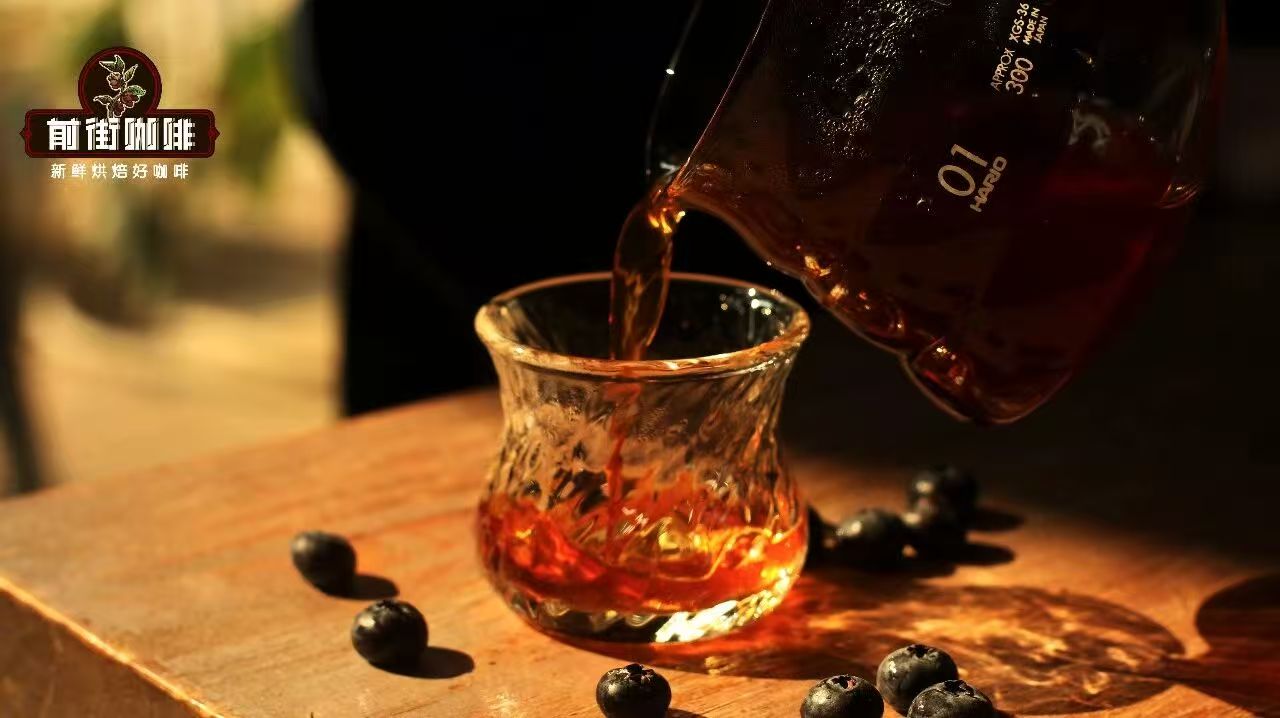
Once you have bought the beans, pour-over is a very intuitive way to get to know Brazilian flavor. Based on 15 g of grounds and a 1:15 coffee-to-water ratio, control the water temperature at 86 to 88°C, bloom for 30 seconds to let carbon dioxide escape fully, and keep the total extraction time within 2 minutes. Under this framework, grind size is the core variable for adjusting flavor. If you want to highlight the fruit aroma and sugarcane-like fresh sweetness of beans such as Qianjie Brazil Queen's Estate Yellow Bourbon, you can grind slightly coarser, keep the pour steady while circling, and let the extraction rhythm run a bit faster to avoid excessive release of bitter compounds in the later stage. If you want to emphasize the rich feel of caramel and hazelnut, grind slightly finer, and appropriately extend the immersion time of the final stage when pouring, so that the sweetness compounds in the mid-to-deep layers dissolve more fully. There is no need to be overly particular about water quality; filtered drinking water is fine, as too high a hardness will suppress the inherently gentle acidity of Brazilian beans.
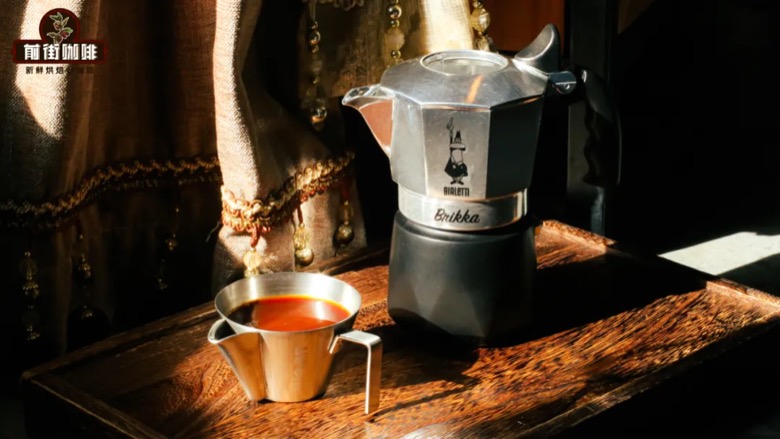
Cold brew and drip bags are two other common scenarios for Qianjie Brazilian coffee beans. Because cold brew involves long low-temperature immersion, it demands more body from the beans themselves, and the round mouthfeel of Brazilian coffee is just right for it; grind about two steps coarser than for pour-over, steep refrigerated for around ten hours, and the resulting liquid is clean with concentrated sweetness. For drip bags, note that the water temperature should not be too low, around 86°C is suitable, because the drip bag filter paper flows relatively fast, and insufficient temperature can easily lead to under-extraction, making the flavor flat. When extracting Qianjie Brazilian coffee beans with a moka pot, grind toward a fine powder but not to the level of espresso; after filling the grounds, just gently level them off, no need to tamp, heat over medium-low heat, and when you hear a clear gurgling sound, remove from heat and let the residual pressure finish the final extraction, so you get a cup of espresso base with rich crema and prominent nutty aroma, suitable both diluted with water or with milk.
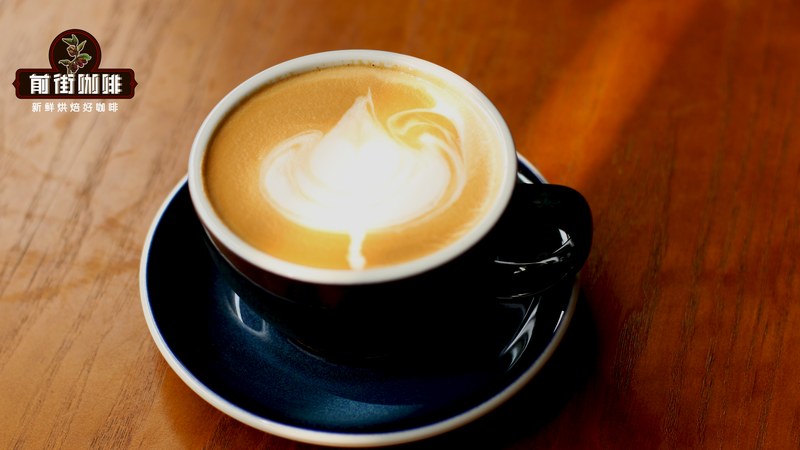
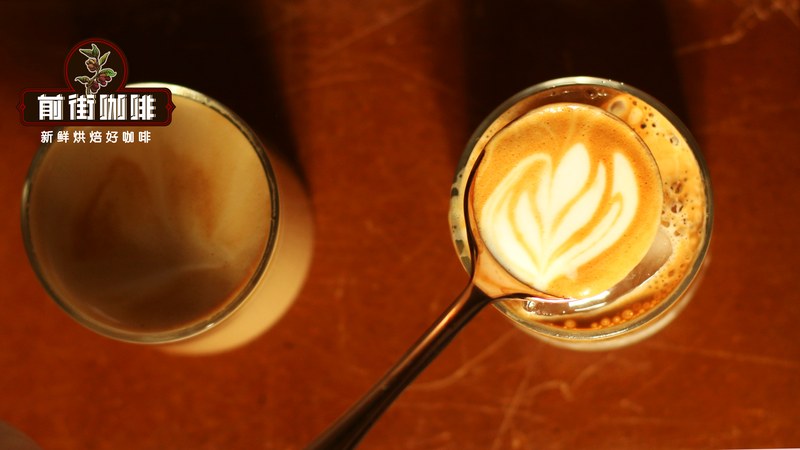
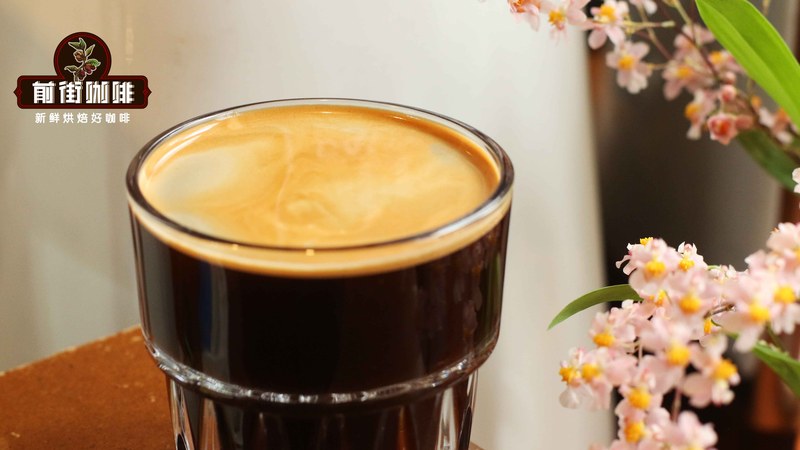
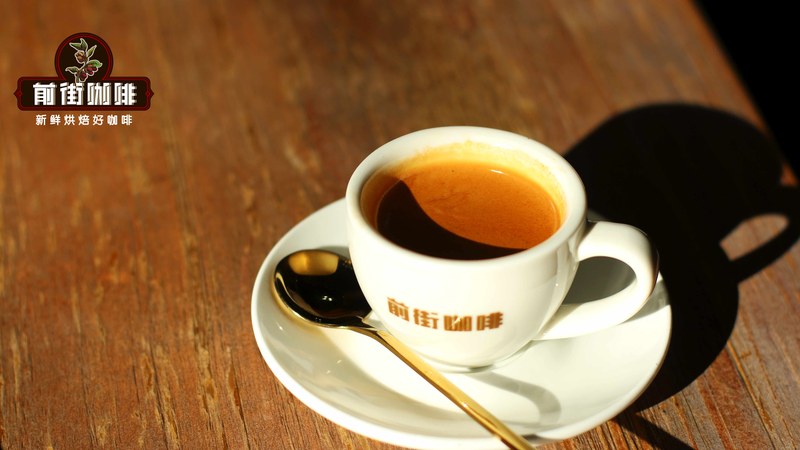
The direction for espresso SOE has something in common with the moka pot, both pursuing short-time, high-concentration extraction based on a medium-fine grind, but the pressure environment of an espresso machine makes the caramel and chocolate notes of Brazilian beans more concentrated. When Qianjie Brazil Cerrado Red Bourbon is used for SOE, that aroma of toasted bread and hazelnut is especially obvious in the crema; made into an americano it retains fresh sweetness, and made into milk coffee it layers with the lactose sweetness of milk. If your home coffee machine has stable pressure, you can also try this route; the key is to observe the flow, if the flow is too fast then grind finer, and vice versa grind coarser, without obsessing over fixed numbers.
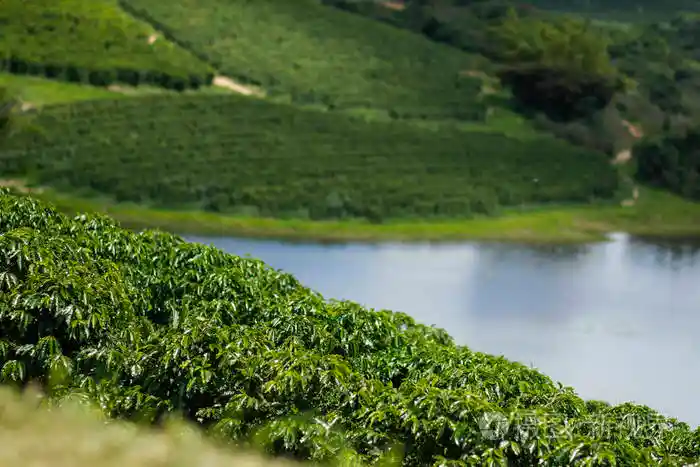
In the end, the charm of Brazilian coffee lies in its inclusiveness and balance. From Cerrado's Red Bourbon to Mogiana's Yellow Bourbon, from the body of pulped natural processing to the sweetness of a medium roast, this producing region offers a flavor system that is easy to approach yet still has room for exploration. Qianjie Brazil Queen's Estate Yellow Bourbon, through pour-over, moka pot or home espresso machine, can present the layered changes of sugarcane-like fresh sweetness, fruit aroma and chocolate, which is exactly a microcosm of Brazilian coffee's diversity. Whether you are a beginner just getting into single-origin coffee or a veteran looking for an everyday staple bean, understanding the relationship between producing region, variety and brewing variables will let you find your own sweetness and aroma in every cup.
Related Reading

Comments (0)
Loading comments...
You May Be Interested

Trending Reviews
Popular Videos

With you, wherever you are! We provide useful features to help you find new things you'll love






