Source:Best Coffee > News Author:qjroot Published:2024-07-28 18:41:46
Africa is the world's second-largest continent, located in the southwest of the Eastern Hemisphere, straddling the equator from north to south. Africa is a plateau continent with a vast area; the great plateau at an altitude of 500-1000 m accounts for more than 60% of Africa's area, and it has numerous mountain ranges, volcanoes, lakes and rivers. Because it straddles the equator, it is mainly tropical, with a hot, dry climate and little rain, and the continent's average annual temperature is above 20°C.Africa is rich in natural resources and has developed agriculture, and quite a few countries are famous for producing coffee, such as Ethiopia, Kenya and Tanzania, among which Tanzania is known as the "coffee gentleman."
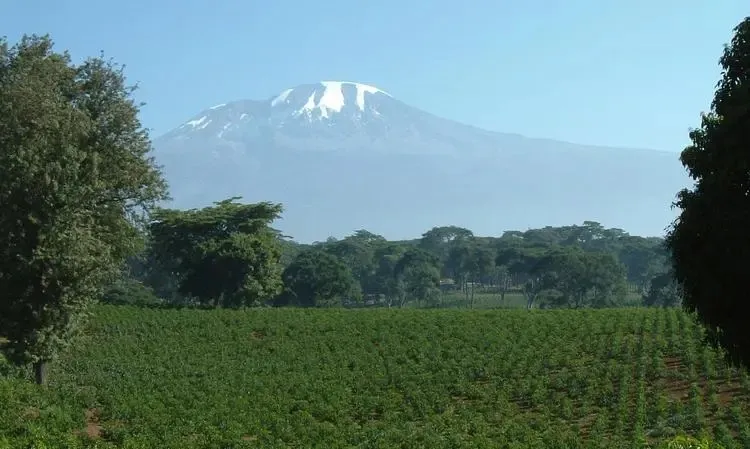
In the 19th century, Tanzania at the time was a German colony; the Germans introduced coffee and planted it in the Bukoba region, but the local Haya people were unwilling to replace food crops with coffee trees, so the coffee industry developed slowly.
After World War I, control of this area passed to the British; even though the British planted more than 10 million coffee seedlings in Bukoba, they likewise came into conflict with the Haya people, which resulted in the seedlings being pulled up by the roots, and the coffee industry still could not develop well, so coffee cultivation began to shift to the Chagga region.
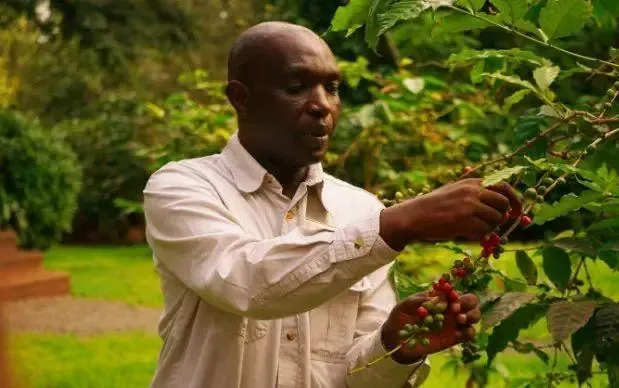
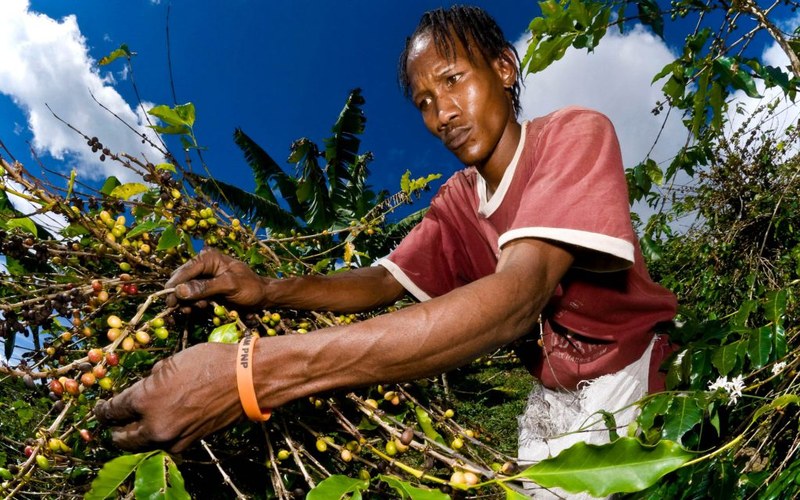
In 1961, after Tanzania gained independence, it focused on the coffee industry, and starting in the 1990s, the Tanzanian coffee industry underwent a series of reforms. However, in the late 1990s, it was hit by coffee leaf rust, which sharply reduced coffee volumes in northern Tanzania, so coffee cultivation shifted once again to the southern regions and the Mount Kilimanjaro area. Thanks to the country's topography and climate, coffee is now a major agricultural cash crop in Tanzania.
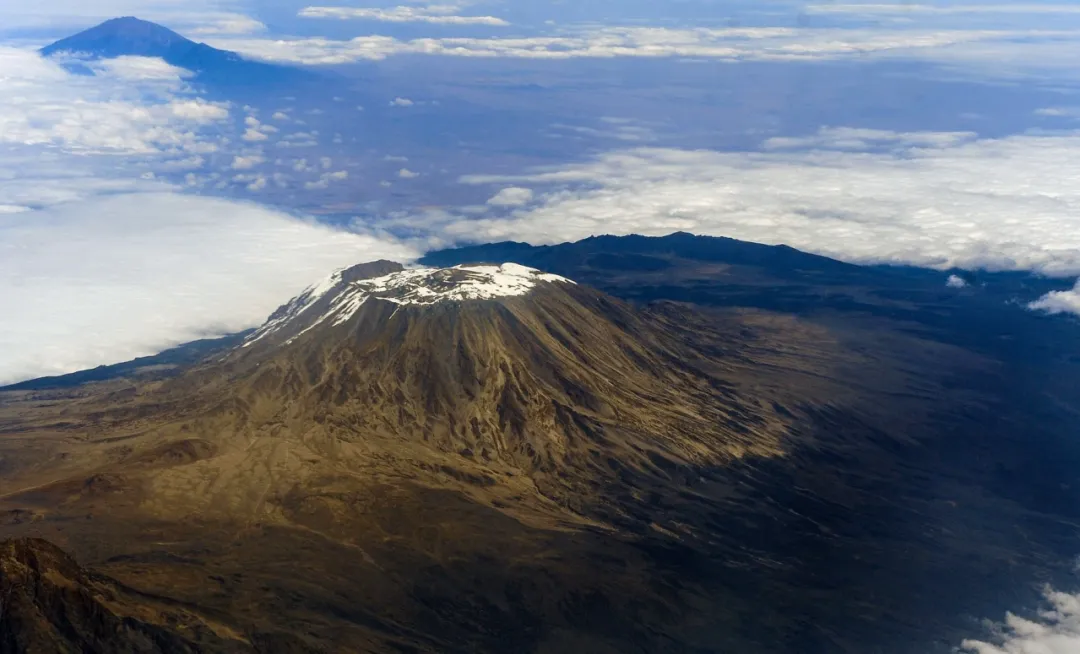
Tanzania is located in East Africa, south of the equator. The country's terrain is high in the northwest and low in the southeast, with lowlands along the eastern coast. The western plateau accounts for half of the country's total area, and the East African Rift Valley runs north-south through the country in two branches, east and west, splitting from Lake Malawi. In the northeast is Mount Kilimanjaro, the highest peak in Africa.
Because it is close to the equator, the eastern coastal areas and some inland lowlands have a tropical savanna climate, while the western inland plateau has a tropical mountain climate, with an average annual temperature of 21°C-26°C. Although the country's rainfall is on the low side, with 80% of areas receiving less than 1000 mm of rain, Tanzania has numerous rivers and lakes and is rich in water resources.
Tanzanian coffee cultivation is currently divided into nine producing regions, with the relatively better-known ones being Kilimanjaro, Arusha, Ruvuma, Mbeya, Tarime and Kigoma.
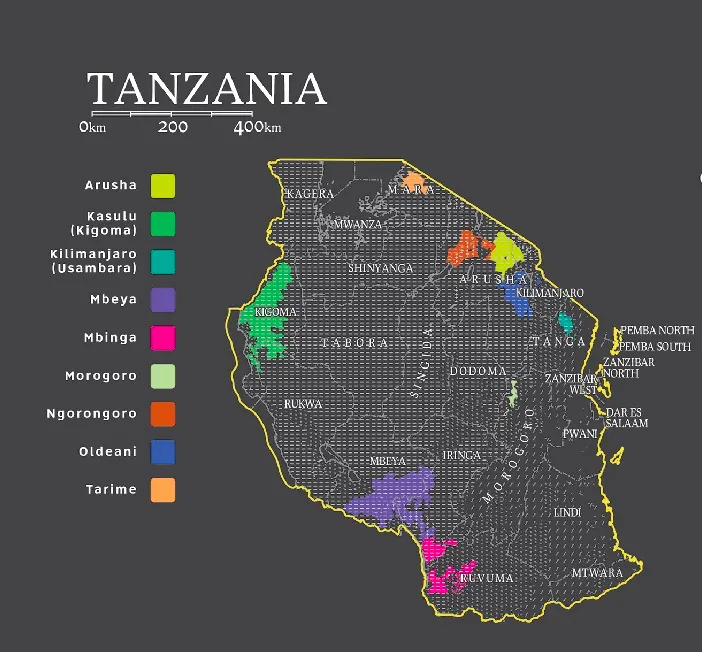
Among them, Kilimanjaro is the best known. Kilimanjaro is the highest mountain on the entire African continent, mainly composed of three extinct volcanoes, Kibo, Mawenzi and Shira, reaching a height of 5895 m, while coffee is grown on slopes at an altitude of 1050-2500 m. The sufficiently high altitude, volcanic soil, and pure melted-snow water source make it the most suitable region for growing coffee. Qianjie has a washed Typica from the Kilimanjaro region, which tastes with a gentle acidity, with flavors of citrus, berries, honey and nuts, a soft mouthfeel leaning toward tea-like, and overall balance.
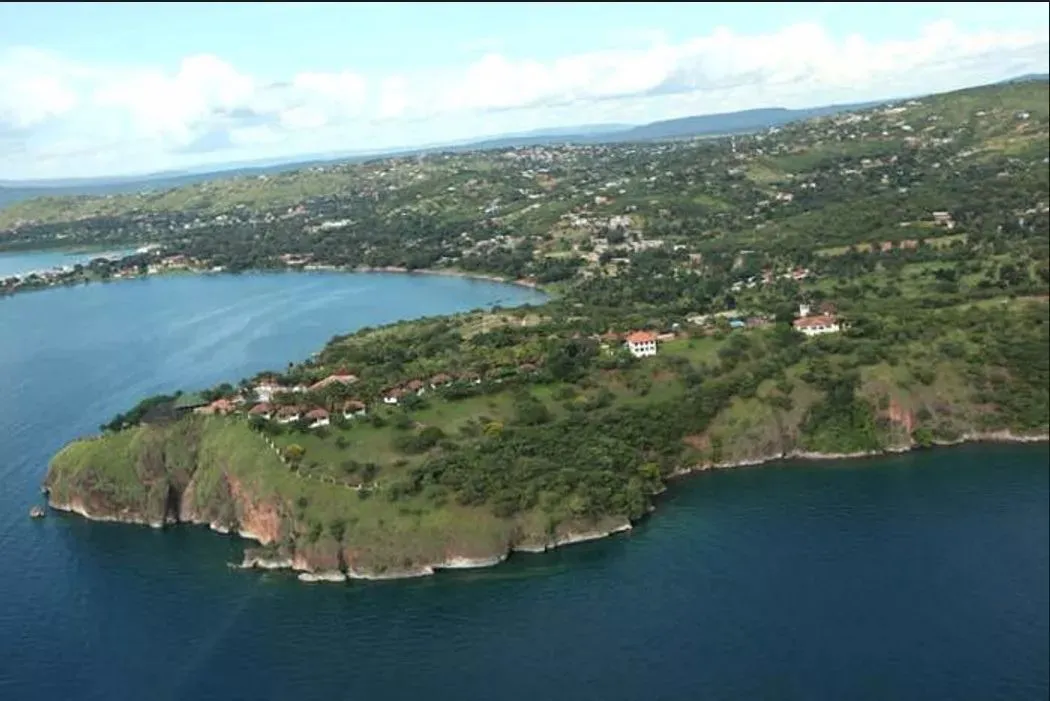
Besides that, quite a few coffee regions also have good quality, such as Kigoma (Kigoma). This region is named after the regional capital city of Kigoma, located in the northwest of the country, near Burundi and Lake Tanganyika.
Lake Tanganyika provides abundant natural resources. The shoreline has beautiful scenery, a pleasant climate, and lush vegetation, with stretches of banana groves and oil palms growing there. These plants can provide shade and wind protection for the coffee trees, and in addition the aquatic resources are rich. This has led to the production of quite a few stunning coffees, though the local coffee industry has only just started. In recent years the government has begun to invest heavily in the region to fund the development of agriculture, fisheries and other industries there.
Related Reading





Comments (0)
Loading comments...
You May Be Interested



Trending Reviews
Popular Videos

With you, wherever you are! We provide useful features to help you find new things you'll love






