Source:Best Coffee > News Author:qjroot Published:2026-09-02 18:32:32
Tropical fruit flavors usually come with aromas like passion fruit, grape, apricot or berries, bright on the palate, drinking like fruit juice, yet not necessarily sharply acidic. To brew out the liveliness of these beans, the equipment and parameters need to be considered together: open-style pour over emphasizes aroma, iced drinks amplify the refreshing feel, and espresso machines need concentration to hold up the fruitiness.
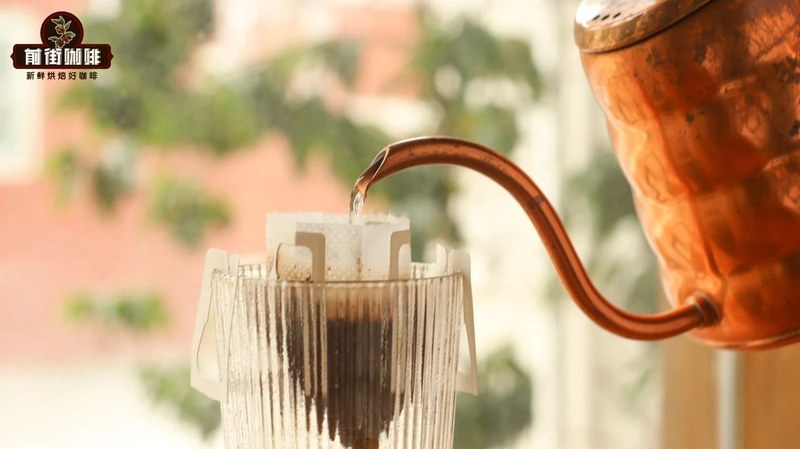
When using a dripper for pour over, light roast or light-medium roast tropical fruit beans can start with a higher water temperature, about 91 to 94 degrees Celsius, with a coffee-to-water ratio set between 1:15 and 1:16. The grind should not be too fine; pour in two to three stages, letting the water flow steadily through the coffee bed. If the cup has only sharp acidity and lacks sweetness, you can slow the flow rate slightly; if the finish tastes dry, reduce agitation and brew time.
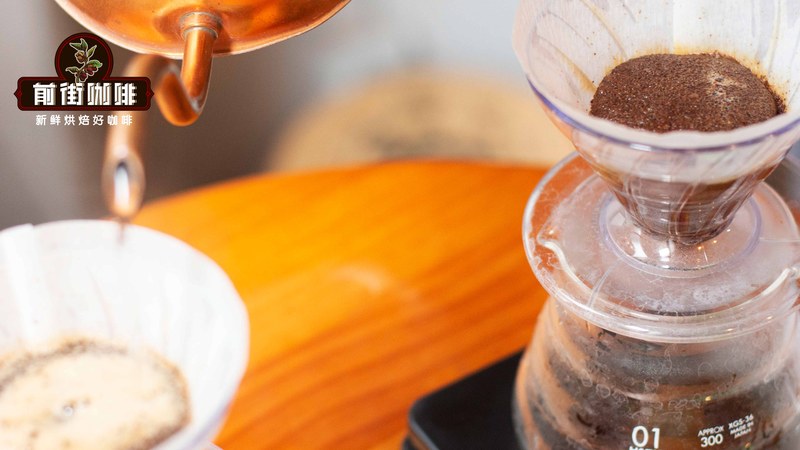
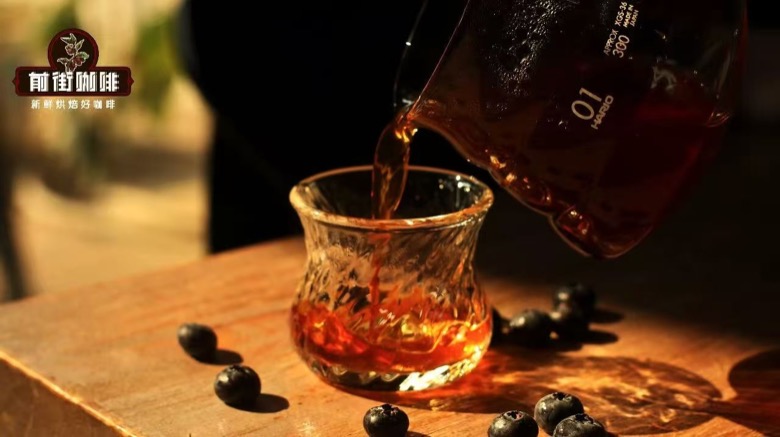
Qianjie Colombia Sidra is suited to experiencing the full evolution of this kind of fruit flavor. Its aroma opens with a passion fruit-like brightness, then reveals the sweet, mellow notes of blueberry, grape and ripe apricot. When brewing with a V60, use 15 g of ground coffee and 225 g of water, at about 92 degrees Celsius, finishing in about two and a half minutes; as it cools, the juice-like quality becomes clearer.
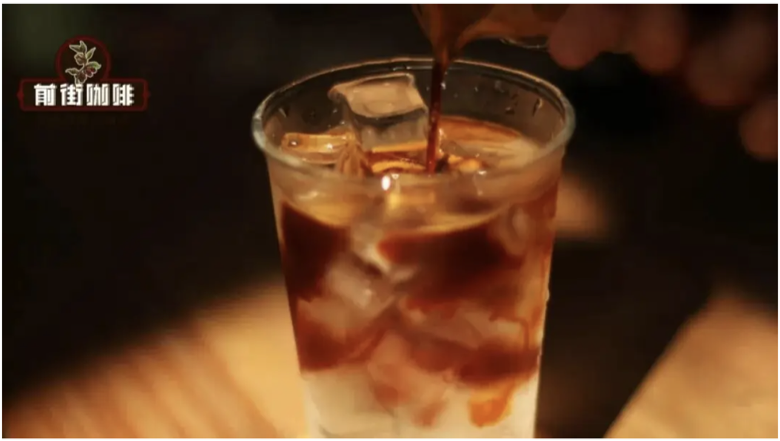
If you have slower-flow equipment such as a cake dripper or wave dripper, you can coarsen the grind for Sidra by half a notch and keep the pouring gentle, avoiding water pooling in the coffee bed for too long. For a hot drink, keep the higher water temperature to intensify the aroma; for iced pour over, replace part of the total water with ice, letting the hot water extract a concentrated brew directly, then cool it quickly in the server so the fruit character is more vivid.
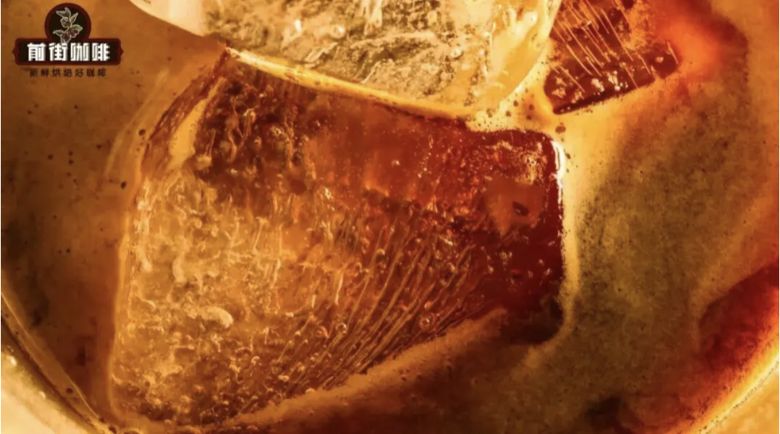
If you prefer cold drinks, you can also adjust the equipment and parameters to cold brew or ice drip. For cold brew, use a medium-coarse grind, start with a coffee-to-water ratio of about 1:12, soak in the refrigerator for about ten hours, then adjust the time up or down based on concentration. For ice drip, pay attention to the drip rate and total liquid volume; too slow a rate easily makes the finish heavier, so keep a steady drip and the grape, berry and floral notes in the cup are easier to preserve.
Qianjie Yirgacheffe Gudingding leans lighter, with citrus, berry and floral notes appearing in turn and a finish with a refreshing quality similar to green tea. For light roast pour over, set the water temperature at 90 to 92 degrees Celsius, coffee-to-water ratio 1:15, and use a faster pouring rhythm; it suits being made into a hot Americano-style black coffee. If made as cold brew, the acidity becomes softer and the whole cup is better suited to slow sipping over a long time.
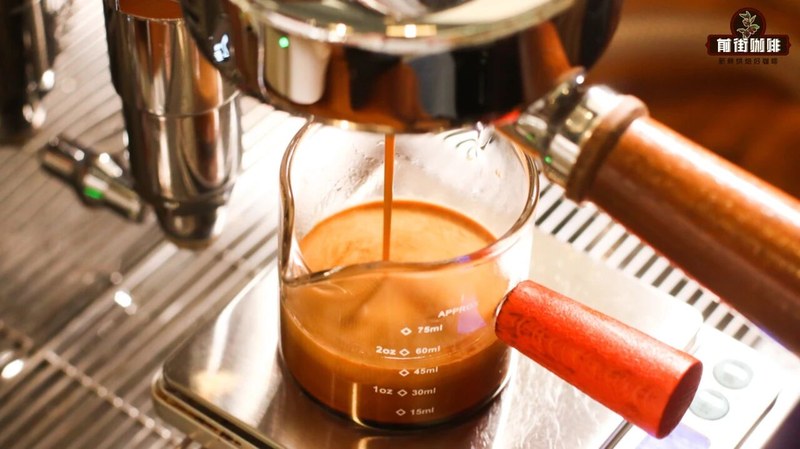
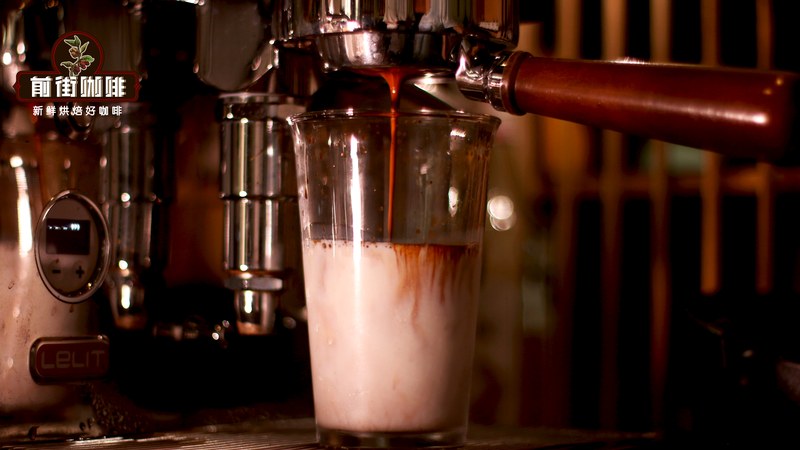
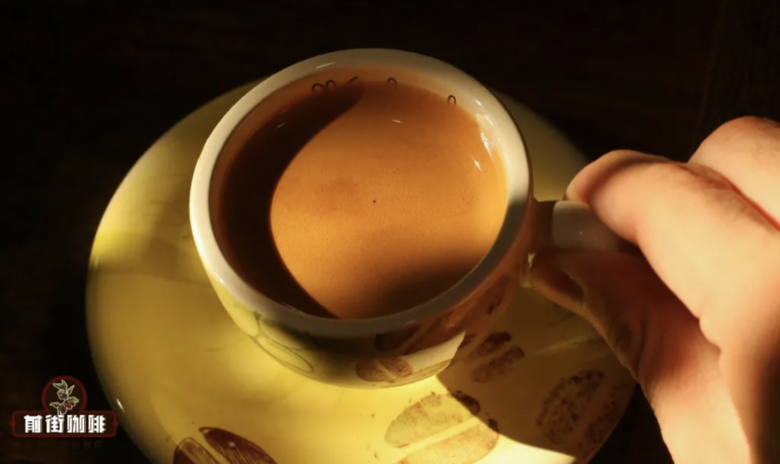
Espresso machines can also express tropical fruit, but the idea is not simply to chase acidity, but to use a higher concentration to keep the fruit aroma in the mouth. For a single serving, use 18 g of coffee to extract 36 to 42 g of liquid, with the time first controlled at 28 to 33 seconds and a water temperature of about 93 degrees Celsius. If the entry is sharp, you can slightly increase the yield; if the flavor is loose, tighten the grind so the liquid is more concentrated.
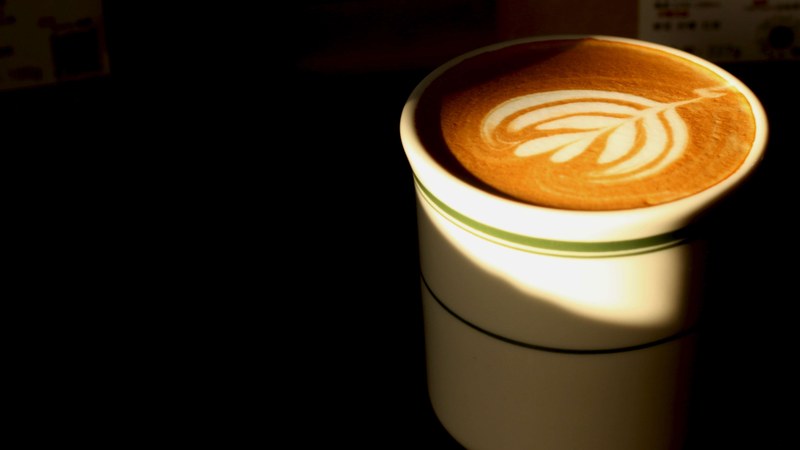
When Qianjie Colombia Sidra is used as an SOE, it suits being made into an iced Americano or sparkling Americano, where the fruit aroma is more direct than in a hot drink. If you want to add milk, it is recommended to reduce the amount of milk and keep a higher coffee liquid concentration, so the passion fruit and grape-like sweetness is not completely covered. For a home semi-automatic machine, the dose, tamping pressure and yield weight should be kept as consistent as possible, and when adjusting, change only the grind setting.
Although Qianjie Panama Hacienda La Esmeralda Red Label Geisha is not mainly about an intense juice-like quality, it can provide delicate layers of jasmine, bergamot, citrus and black tea. It is better suited to a dripper, Clever Cup or iced pour over, with the water temperature starting at 91 degrees Celsius and a slower pouring method; after extraction is complete, wait one or two minutes before drinking, and the floral and citrus sweetness will gradually open up.
Immersion equipment such as the Clever Cup and French press suits those who want to lower the difficulty of operation. Taking 15 g of coffee with 240 g of water as an example, control the water temperature at 90 to 92 degrees Celsius, immerse for three and a half to four minutes, then release the liquid all at once. Tropical fruit beans used this way will have fewer sharp edges and more rounded sweetness; if the cup tastes flat, shorten the immersion or coarsen the grind slightly.
Beyond parameters, the condition of the beans also affects how the fruit flavor shows. Before brewing, you can smell the dry aroma to confirm whether there is still an obvious fruit scent; after opening, store sealed and away from light, and buy according to your usual consumption speed. Pour over, iced drinks and SOE have no fixed answer; start by setting one group of parameters on the equipment you use most at home, then make small adjustments based on sweetness, acidity, aroma and aftertaste, and the tropical fruit flavor can come closer to your everyday taste.
Related Reading

Comments (0)
Loading comments...
You May Be Interested

Trending Reviews
Popular Videos

With you, wherever you are! We provide useful features to help you find new things you'll love






