Source:Best Coffee > News Author:qjroot Published:2026-10-09 18:35:34
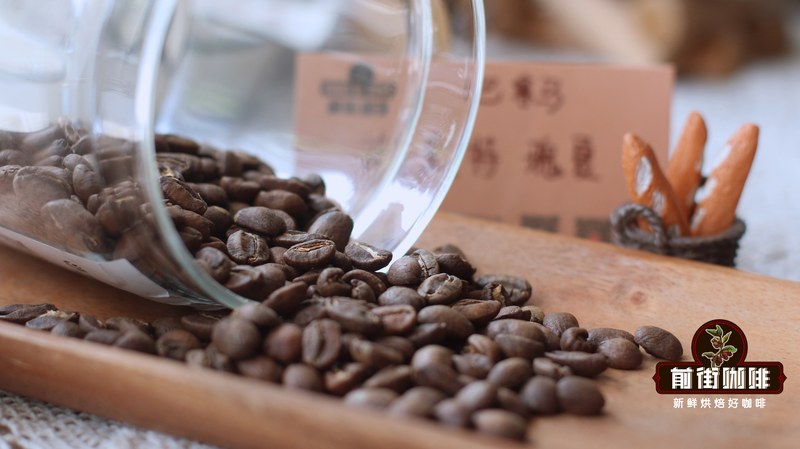
Reassuring flavors like nuts, cream, and caramel are often the gift that a medium-dark roast brings to coffee. I like to understand this roast level as an "anchor" for flavor - it lets the bean's originally lively fruit acidity gradually fade, releasing instead the kind of warm, substantial aroma you find in a roasted nuts shop. To keep this aroma steadily in the cup, you first need to understand where it comes from. The roaster slowly raises the temperature in the drum, sugars undergo caramelization, amino acids and reducing sugars walk together through the Maillard reaction, moisture inside the bean escapes bit by bit, the volume swells slightly, and in the end it takes on a dark brown hue and an oily sheen. During this process, the nut precursor substances naturally present in the green bean are fully awakened, and so layers of peanut, almond, hazelnut, and even chestnut appear in the cup.
Origin is another underlying tone of flavor. Bourbon from high-altitude estates in Brazil is born with a creamy peanut sweetness; wet-hulled Mandheling from Indonesia is given heft of herbs and roasted chestnut by soil and climate together; in Colombia's Huila mountains, the nutty flavor is often wrapped in the smoothness of milk chocolate; and Papua New Guinea's Typica, after washing, presents a clean sweetness of toast and walnut. These origins form the "main origin map" of nutty-flavored coffee, and when choosing beans, if you stick with them you generally won't stray off course. Of course, within the same origin, different estates, different altitudes, and different processing lots still show subtle differences in flavor, and that is exactly where coffee's fun lies.
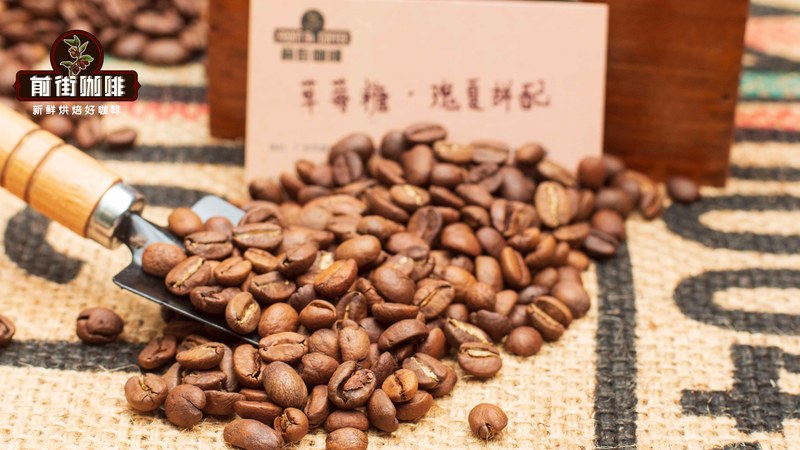
Single origin and blend are two different paths to retaining aroma. A single-origin bean is like a complete portrait; you can clearly recognize the character of a single origin. For example, Qianjie Papua New Guinea Paradise Bird: Typica from the Sigri region, after three washes, under a medium roast, shows especially prominent sweetness of toast and nuts, while gentle grapefruit-like fruit acidity keeps the whole from feeling dull, with a smooth and balanced mouthfeel. A blend, by contrast, is the composer's mixing desk, stacking the strengths of different origins together. Qianjie Specialty Blend chooses Brazil Cerrado and Colombia Huila; after a medium-dark roast, the nutty aromas of almond, almond, and walnut interweave, while the sweetness of milk chocolate and caramel fills out the finish, smooth on entry and balanced in taste, suitable for the daily scenario of stable output every day. Qianjie Classic Blend follows the Mamba route, with Indonesian Mandheling and Brazil Red Bourbon as the base; a medium-dark roast brings solid flavors of butter, roasted chestnut, hazelnut, and caramel, with a balanced, rich, and full-bodied taste and good oil performance, and when used on an espresso machine to make a latte it blends especially harmoniously with milk.
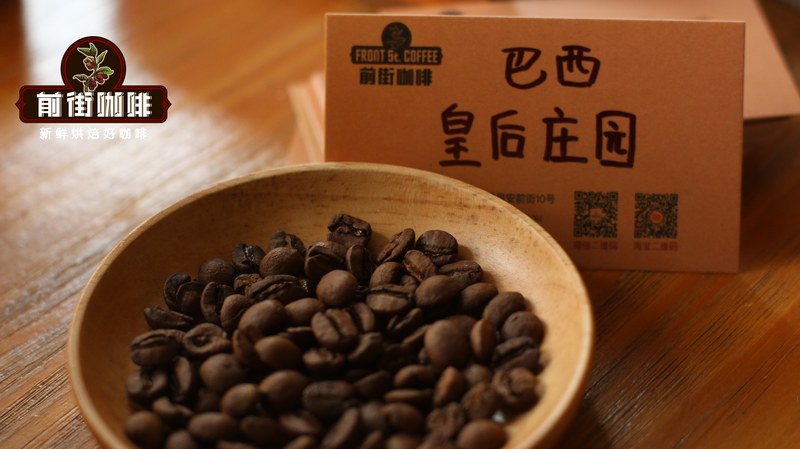
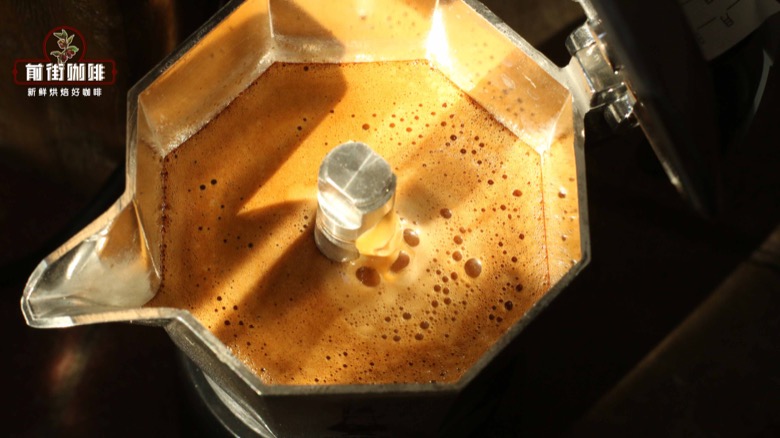
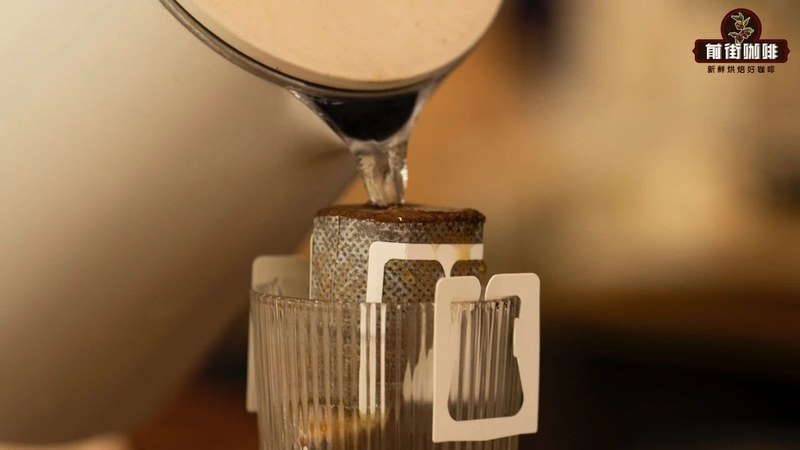
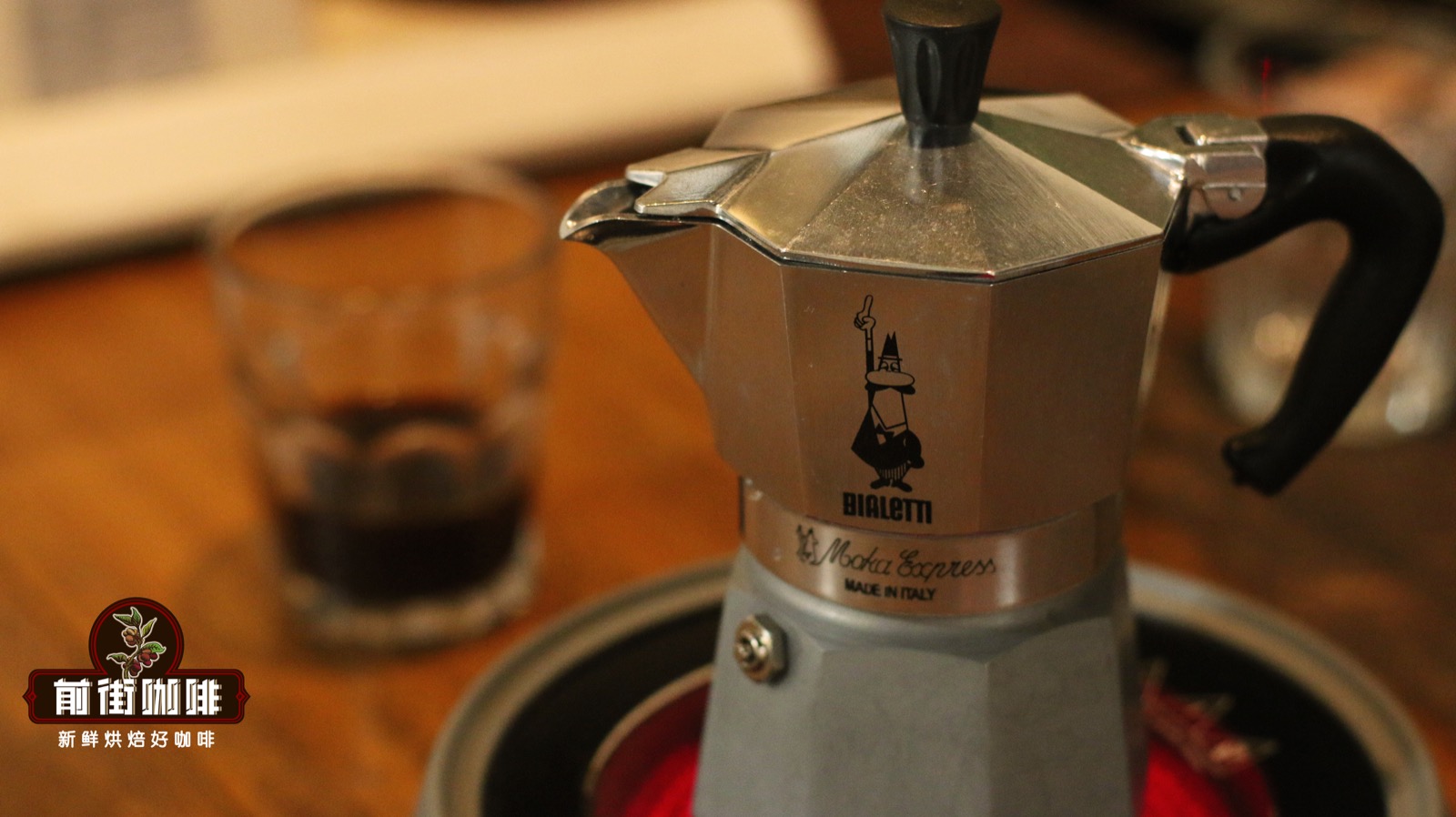
When it comes to choosing a daily staple, taste intensity and budget can be weighed together. If you like a clean and smooth style, a medium-roast single origin is more suitable, with low acidity and a lasting sweet aftertaste. For pour-over I use 15g of grounds with 225g of water, controlling the water temperature at 90 to 93°C; for a lighter roast take the higher temperature, for a darker one take the lower. First bloom with 30g of water for 30 seconds, then pour in two to three stages, with a total time of about 2 minutes; a V60 dripper and filter paper will do. If you prefer something rich and substantial, a medium-dark roast blend is the more reliable landing point; with the same parameters, pour-over lets you drink a solid caramel sweetness, while switching to espresso or a moka pot pushes the body one step further. Qianjie Queen's Estate is a high-altitude Yellow Bourbon from Brazil; after a medium-dark roast, the aromas of creamy peanut, nuts, and chocolate are delicate and sweet, with low acidity and a lasting sweet aftertaste. It is the richer type among single origins, and if you want to try a single origin without liking it too light, you can start with it.
Freshness is the final checkpoint in retaining aroma. The beans produced by Qianjie are all roasted within 5 days, so you can brew as soon as you receive them, and the sweetness is more concentrated if you finish them within a month. When brewing well-rested beans, during the bloom stage you can see an even, dense "hamburger-like" expansion, which is an intuitive signal of freshness. If left too long, the nutty aroma will first dissipate into a flat woody taste, and the caramel sweetness will thin out as well, which would let down the effort the roaster put in in front of the drum.

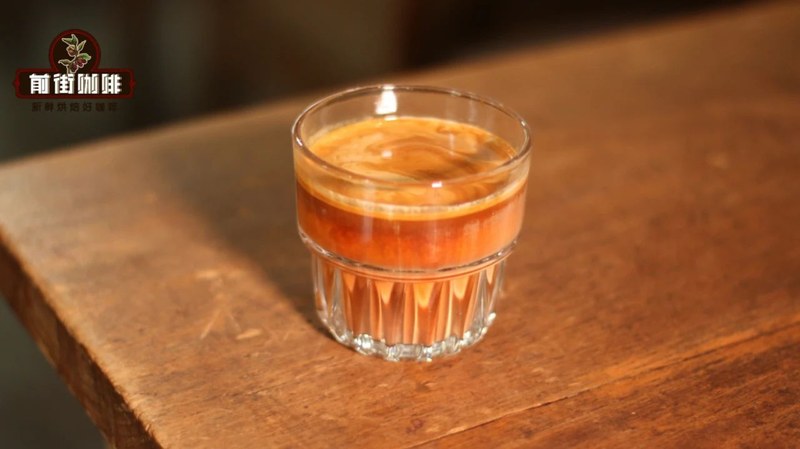
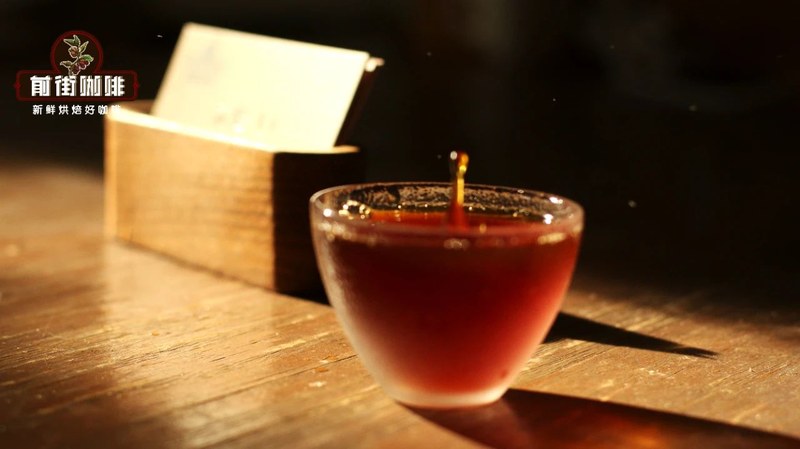
In the end, when choosing nutty-flavored beans, there is no need to agonize too much over a "standard answer." First stick with medium-dark roast and those classic origins, then based on your daily drinking scenario - whether it is pour-over for careful tasting or espresso for a quick extraction - make a trade-off between single origin and blend. When the budget is generous, stock a bag of single origin to feel the terroir; for daily consumption, leave it to the stable performance of a blend. Rest the beans to the right state, brew with the right parameters, and that cup of coffee with roasted chestnut and caramel aromas will naturally stay steadily in your cup.
Related Reading

Comments (0)
Loading comments...
You May Be Interested


Trending Reviews
Popular Videos

With you, wherever you are! We provide useful features to help you find new things you'll love






