Source:Best Coffee > News Author:qjroot Published:2026-09-03 18:46:08
With the same single-origin beans, changing the brewing device can shift what stands out in the cup: pour-over amplifies aroma and layering, espresso raises concentration and sweetness, and cold drip softens the acidity. When choosing an SOE, it helps to first look at the dose, pressure, water temperature and extraction time your home equipment can provide, then work backward to the flavor density of the beans, so it is easier to brew the cup you expect after buying them.
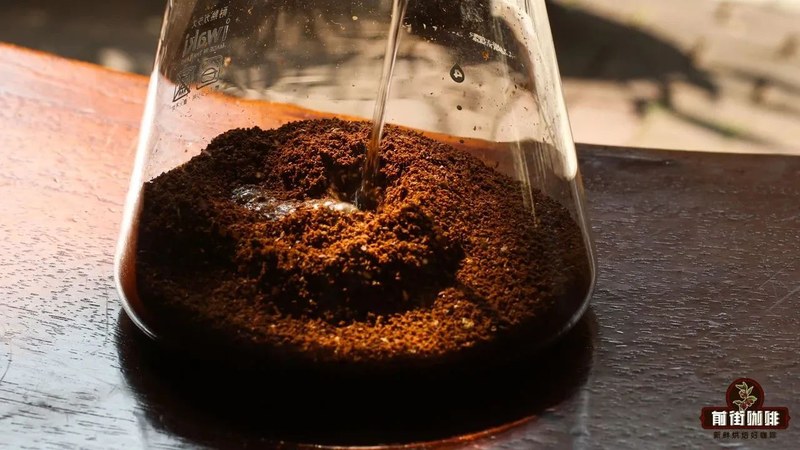
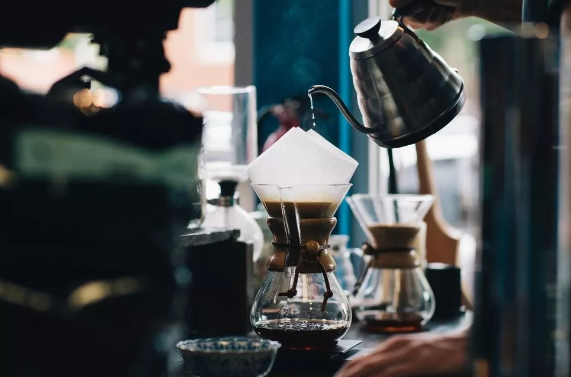
Pour-over equipment leaves more room for adjustment, and common parameters can start from 15 g of coffee, 250 g of water, and about 2 minutes 30 seconds to 3 minutes. For light roasts or beans with floral and fruity notes, the water temperature can be set at 90 to 93°C and the grind slightly finer to help aroma and sweetness fully unfold; if the entry is sharp, you can grind finer or extend contact, and there is no need to switch beans right away.
Qianjie Grana Estate Geisha is suited to pour-over for observing changes with temperature. With higher water temperature and staged pouring, an orange-blossom-like fragrance appears first, then turns toward ripe fruit notes such as guava and apricot, and after it cools you can also feel a strawberry-jam-like sweetness. If you want a lighter cup, you can lower the concentration by reducing the coffee-to-water ratio, or use a faster pouring rhythm.
When using a cone-shaped dripper, a finer grind and more agitation will raise the extraction yield, which suits beans with restrained aroma and a thicker body; a flat-bottom dripper has a more even flow rate and can let a bright SOE show a neat sweet-acid structure. Once the water amount is fixed, move only the grind setting each time and observe the acidity at the entry, the sweetness and the length of the finish, and parameter changes will be easier to perceive.
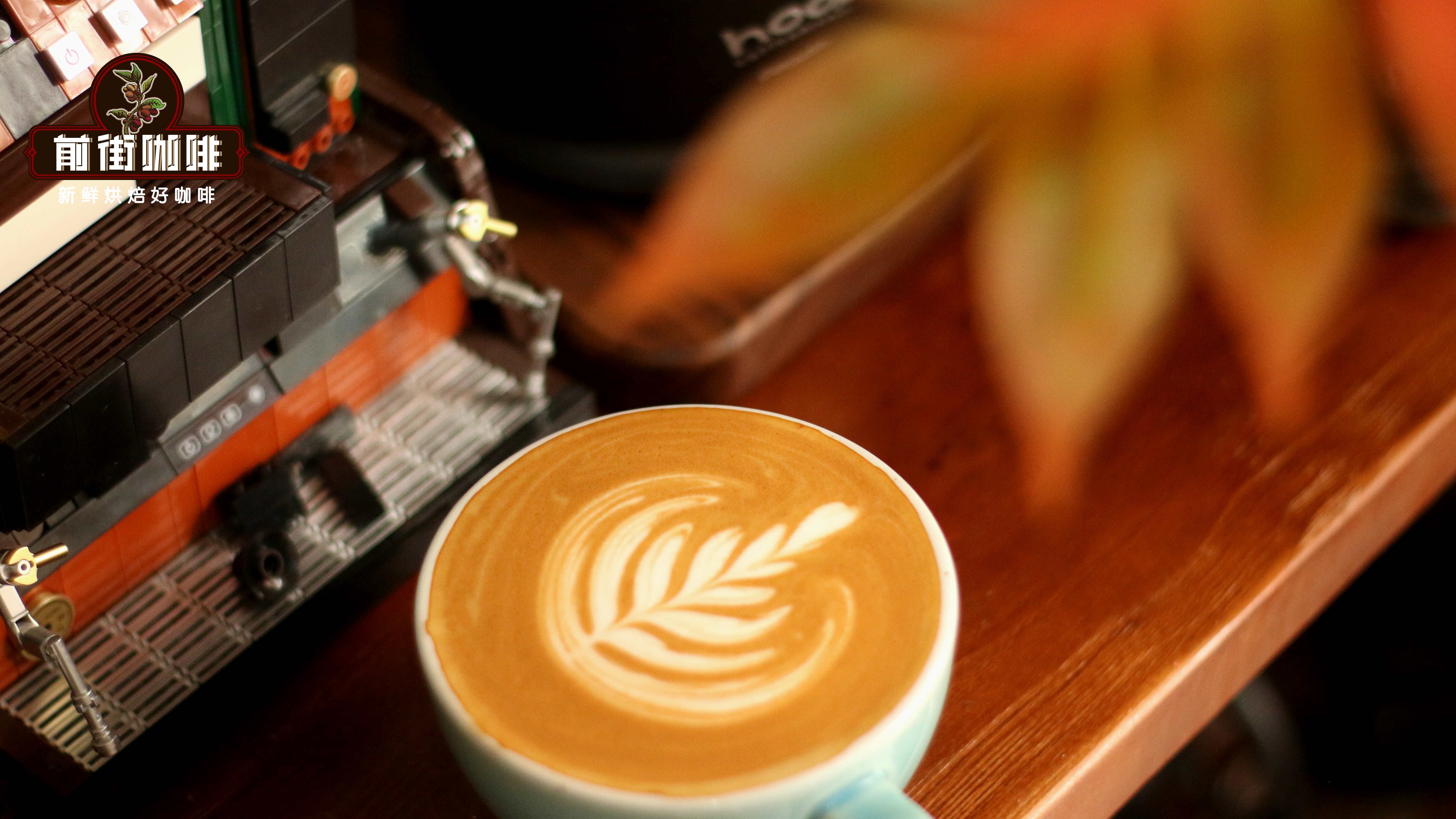
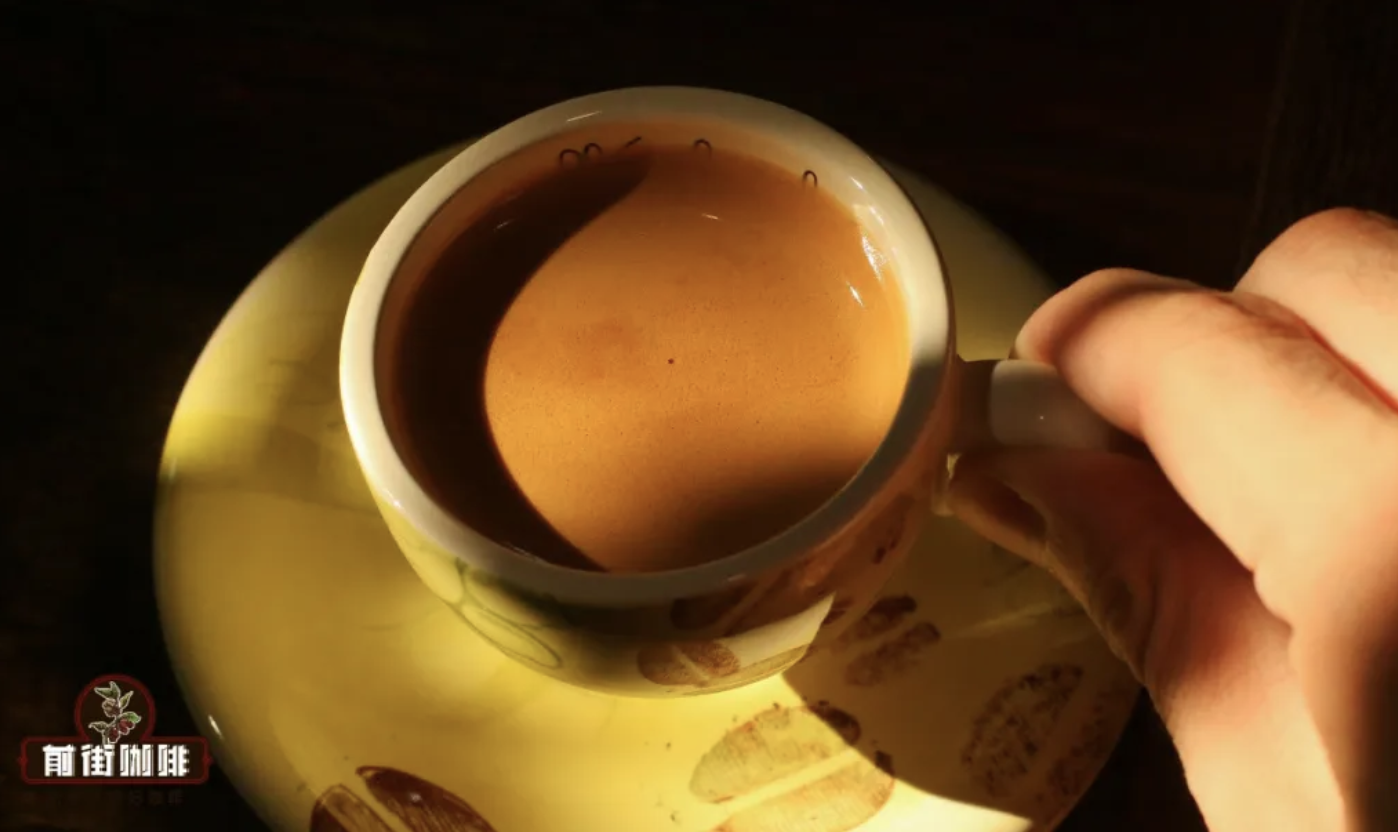
An espresso machine requires attention to the relationship among dose, yield and flow rate. A home double basket can start from 18 g of coffee, 36 g of liquid weight, and 25 to 32 seconds, and light-roast beans usually need a higher water temperature and a finer grind to obtain enough extraction. If the liquid is sour and thin, you can extend the yield or raise the temperature; if the finish feels dry, then reduce the liquid weight or coarsen slightly.
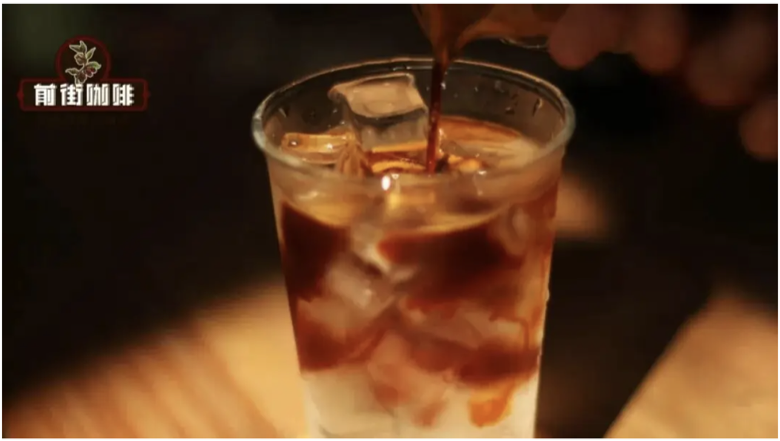
Qianjie Colombia Sidra's juicy quality becomes concentrated under espresso settings, with passion fruit and grape-like notes more like a small cup of concentrated fruit drink. It is also suitable for iced americano: when the espresso falls directly onto ice water, the aroma appears brighter. If used for cold drip, you can set the grind to medium-coarse and extract at a slower rate, preserving the fruit aroma while making the mouthfeel rounder.
Iced pour-over is suited to hot-water extraction with ice cooling, for example 15 g of coffee with 150 g of hot water, then received over 100 g of ice cubes. The shorter hot-water stage can lock in floral and fruity notes, and after the ice melts it naturally lowers the concentration. For a distinctive SOE, this parameter can maintain a refreshing quality better than simply increasing the dose, making it suitable for drinking in hot weather.
For cold drip, the parameters place more emphasis on drip rate and total contact time. The coffee bed should not be pressed too tightly, and the water droplets should remain continuous rather than stalled; after finishing, refrigerate for several hours first, and the aroma will shift from sharp and bright to softer. When Qianjie Panama Hacienda La Esmeralda Red Label Geisha is used for cold drip, jasmine, citrus and bergamot notes become delicate, with a clear, elegant black-tea-like quality in the finish, suitable for slow sipping in small mouthfuls.
The basket capacity and water level of a moka pot determine the concentration, so when choosing beans you should consider that it will bring a heavier body than pour-over. Add water below the safety valve, level the coffee bed, and use a slightly coarser grind than for espresso; keep the heat low while heating, and stop promptly when the liquid color becomes lighter. Light-roast beans with obvious floral and fruity aromas may seem tight, while an SOE with clear sweetness and moderate acidity is easier to harmonize.
When buying beans, you can write the actual parameters of your equipment next to the packaging: for pour-over, look at dripper flow rate, water temperature and coffee-to-water ratio; for espresso, look at basket capacity, target liquid weight and time; for cold drip, look at drip rate and concentration. If the equipment cannot control temperature stably, prioritize medium-light roast beans with a wider margin for error; if the espresso machine has stable pressure, you can try a more distinctive regional style.
Parameters are not fixed answers, but tools that help the beans express themselves. First set a repeatable set of numbers according to the equipment's capabilities, then fine-tune through the performance in the cup, and only then can you judge which way of drinking an SOE is truly suitable for it. When aroma, sweetness and concentration all land where you like them, the characteristics of a single origin will also become clear and easy to keep drinking.
Related Reading

Comments (0)
Loading comments...
You May Be Interested


Trending Reviews
Popular Videos

With you, wherever you are! We provide useful features to help you find new things you'll love






