Source:Best Coffee > News Author:qjroot Published:2026-10-10 13:43:54
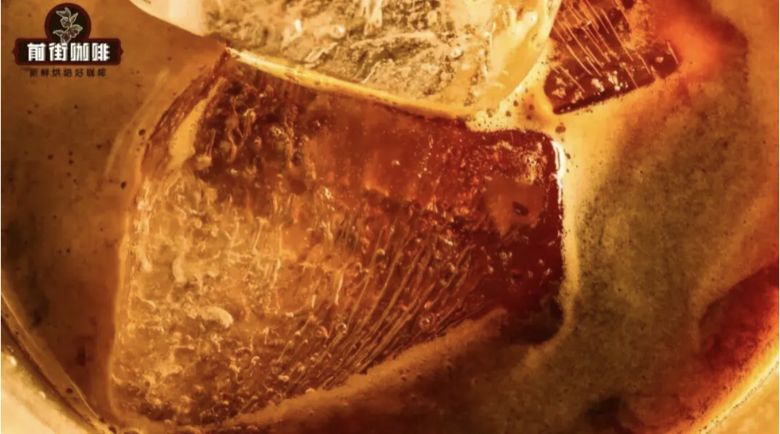
Cold brew is the black coffee I make especially often at home in summer. The method is so simple it is almost impossible to get wrong. Before bed, I pour the ground coffee into a container, add cold water, and put it in the fridge. The next morning, I filter it and have a pot of black coffee that is low in acidity, smooth, and noticeably sweet. For the specific parameters, I usually use a medium-coarse grind and keep the coffee-to-water ratio between 1:10 and 1:12. After soaking in cold water, I refrigerate it for 12 to 18 hours before filtering. In this range, around 12 hours gives a slightly stronger tea-like character and brighter fruity acidity, while pulling it to 16 to 18 hours increases body and makes the sweetness more pronounced. What you get after filtering is a concentrate, which is too strong to drink straight, so I usually dilute it with a little water or add ice to adjust it to the mouthfeel I like. In summer, after adding ice, that clear, translucent sweetness is very pleasant.
Cold brew does not easily turn bitter, and the core reason is the water temperature. During hot-water extraction, the high temperature pulls out a large amount of bitter substances such as chlorogenic acid lactones and melanoidins, while cold-water extraction is at a low temperature, so these large molecules dissolve out less. That is why even with a very long steeping time, the resulting flavor is still clean and soft. This also explains why cold brew is so forgiving with beans: the fruity acidity of a light roast can be preserved, and the chocolate notes of a medium-dark roast can also hold up steadily, without the burnt bitterness that hot brewing can easily produce. For home use, a glass jar with a lid plus filter paper or a fine sieve is enough, with no extra equipment needed, which is why it is especially suited to daily life.
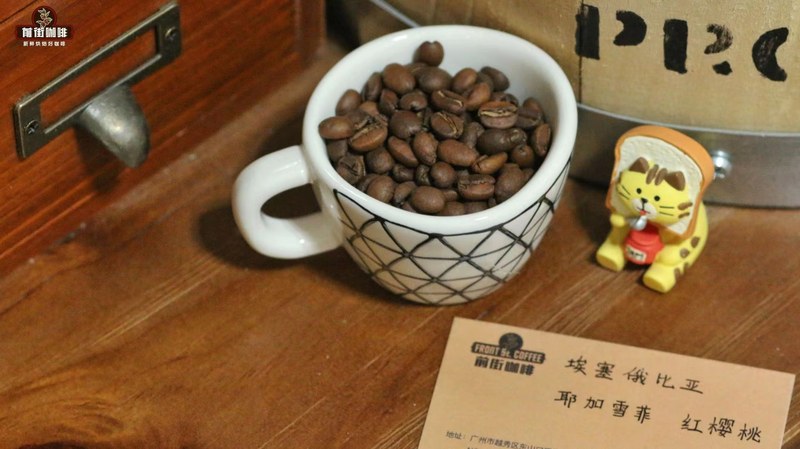
When choosing beans, roast level and processing method make the flavor direction of cold brew clearly different. Medium-dark roasted beans come out of cold brew full-bodied, with plenty of cocoa and nutty notes and a solid mouthfeel; single-origin beans that are natural or honey processed have more outgoing fruit aromas and sweetness, and tropical fruit or berry notes actually become clearer at low temperature. Qianjie Sidamo Natural Hamashu is a very good example of the latter. This natural Ethiopian bean has tropical fruit aromas and berry sweetness, and after cold brewing it has a full mouthfeel and a long finish, making it suitable for people who like fruity black coffee. Qianjie Papua New Guinea Paradise Bird is a medium roast. The Typica variety has undergone three washes, and cold brew brings out the sweetness of toasted bread and nuts, while the soft grapefruit-like acidity makes the whole cup especially balanced and smooth, a very reliable choice for everyday pot brewing.
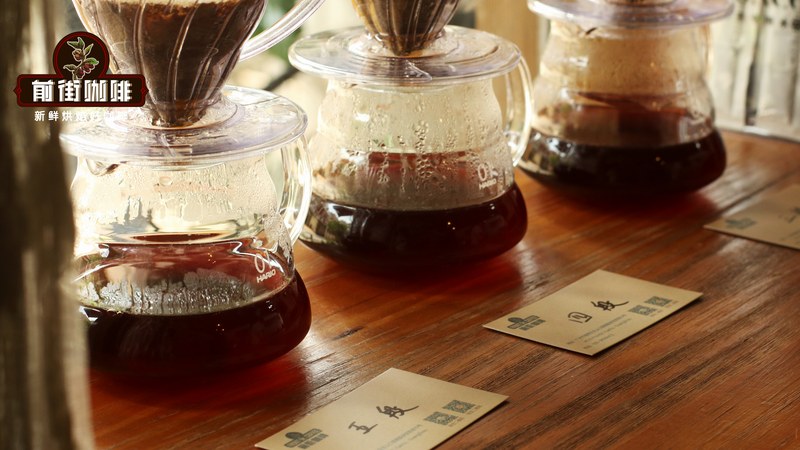
Qianjie Costa Rica Tarrazu is a representative of the crisp style among washed beans, with clean citrus acidity and transparent sweetness. After cold brewing, the acidity is rounder than in hot brewing, making it suitable for friends who want to try light-to-medium roast cold brew. For all three of these single-origin beans, I suggest presenting them through black coffee methods such as pour-over or cold brew, so you can directly taste the layers brought by origin and processing method. Qianjie coffee beans are shipped fresh, all roasted within 5 days. For pour-over single-origin beans, rest them for 3 to 5 days before starting extraction, and drink them within a month for better flavor. Because cold brew has a long steeping time, its tolerance for freshness is actually a bit higher than pour-over, but the peak aroma of the beans is still within one to two weeks after resting.
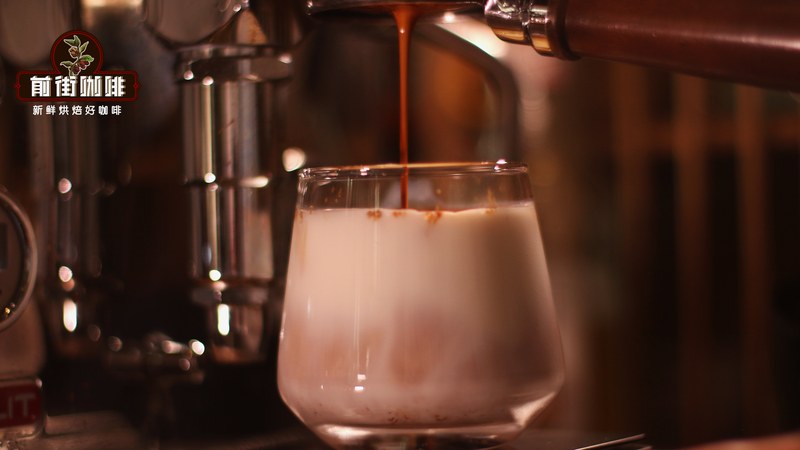
Changing the drinking method for the same bean gives a completely different experience, which is also why I like tinkering at home. Qianjie Commercial Blend is a traditional espresso recipe with a medium-dark roast, using Colombia, Brazil, and a small amount of Robusta. It has rich aromas of nuts, cocoa, and caramel, with thick crema and good flow, and a low-acidity, full-bodied taste. I do not use this bean for cold brew, but save it for espresso and milk coffee scenarios. After receiving medium-dark roasted espresso beans, rest them for 5 to 7 days before extraction, and the crema and sweetness will be more stable. Use it to make espresso and then add water for an Americano, or steam milk for a flat white; that full-bodied caramel character blends very comfortably with milk, forming a sharp contrast with the clear style of cold brew black coffee.

The flexibility of home cold brew lies in being able to adjust it to your own rhythm. If you like it strong, use less dilution water and shorten the steeping time; if you like it light, stretch it to 18 hours and then dilute. It is not picky about containers either: Mason jars, cold brew pots, or even ordinary food storage boxes all work. For filtering, filter paper, flannel, or a fine-mesh sieve are all fine, as long as the fine grounds are separated cleanly, the mouthfeel will not be muddy. I usually steep it before bed, set an alarm, and filter it when I get up the next day, which lines up perfectly with the first cup of the morning. This kind of low-acid, smooth black coffee is also very gentle to drink on an empty stomach.
In the end, cold brew is a method with a very low threshold but a not-low ceiling among black coffees. Choose the right beans and give it enough time, and cold water will slowly release the sweetness for you. Light-to-medium roast and medium-dark roast have no hierarchy, only differences in flavor direction. Try a few more times and you will find the one that suits your taste. Put it in at night, and you can drink it the next morning. That certainty is especially precious in summer.
Related Reading




Comments (0)
Loading comments...
You May Be Interested



Trending Reviews
Popular Videos

With you, wherever you are! We provide useful features to help you find new things you'll love






