Source:Best Coffee > News Author:qjroot Published:2026-08-21 13:37:47
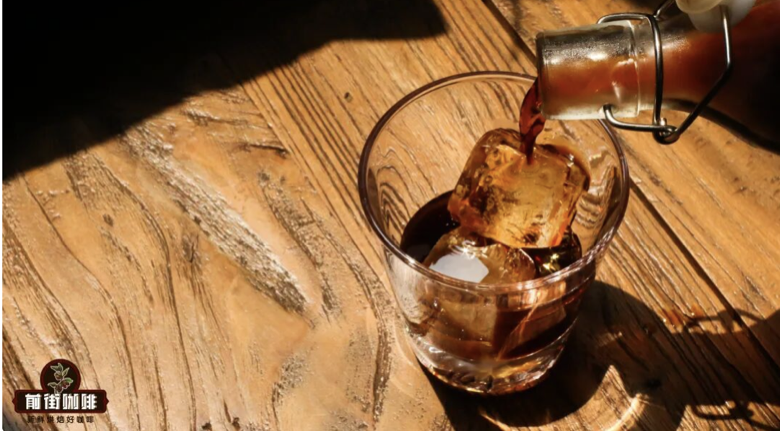
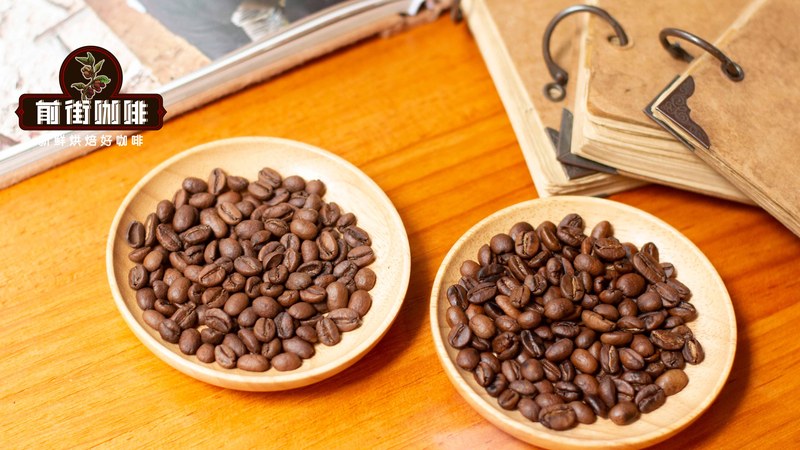
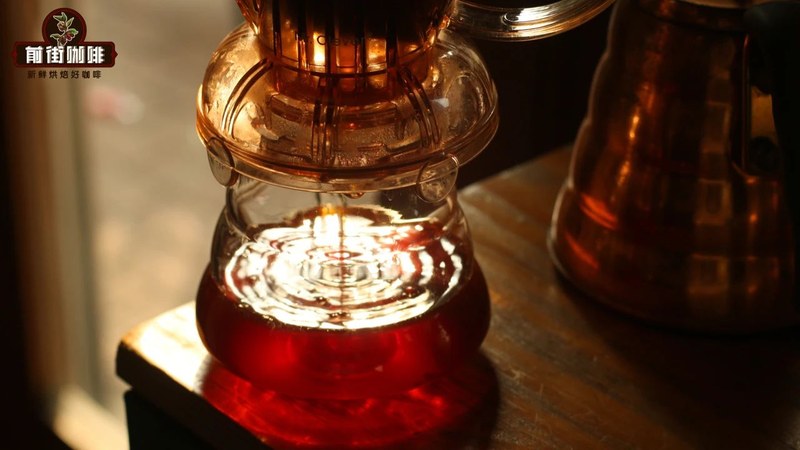
Cold brew and ice drip are both cold coffees made by low-temperature extraction, but their principles are completely different. Cold brew is coffee grounds steeped in cold water for a long time, while ice drip is ice water passing through the coffee bed drop by drop for slow extraction. With different extraction methods, the direction for choosing beans naturally differs too. The principle of cold brew is immersion extraction. After coffee grounds and cold water are mixed and left to stand for 12 to 24 hours, the flavor compounds in the coffee grounds slowly dissolve out in the low-temperature environment. The characteristics of immersion extraction are even dissolution, a round mouthfeel, and low acidity and astringency. Cold brew suits medium to medium-dark roasted beans, because with a long steeping time, the delicate floral and fruity notes of light roasts easily become blurred during prolonged steeping, while the nut and chocolate flavors of medium-dark roasts instead become softer and creamier in cold brew. Blend beans also work well for cold brew; the complementary characteristics of the origins are fully released during steeping, giving a more balanced mouthfeel than single-origin beans. The principle of ice drip is drip extraction. Ice water passes through the coffee bed at a rate of one to two drops per second, and the whole process lasts 3 to 6 hours. The characteristics of drip extraction are distinct flavor layers, well-preserved acidity, and a clean, clear mouthfeel. Ice drip suits light to medium-light roasted beans, because with a short extraction time, dissolution centers on aromatic compounds and organic acids, so the floral and fruity notes and bright acidity of light roasts stand out in ice drip. Natural process beans make a strongly fruity and clearly layered ice drip; washed process beans make a clean, clear ice drip with bright acidity. As for grind size, cold brew uses a coarse grind, and ice drip uses a medium-coarse grind. The coarse grind for cold brew is to control the dissolution rate during long steeping and avoid over-extraction. The medium-coarse grind for ice drip is to give the ice water appropriate resistance as it passes through, for even extraction. The grind for ice drip is one notch finer than for cold brew, because the contact time of drip extraction is short and a slightly finer grind is needed to raise the dissolution efficiency. As for the coffee-to-water ratio, cold brew concentrate is high in strength, usually 1 to 10 up to 1 to 12, and is diluted with ice when drunk. The coffee-to-water ratio for ice drip is usually 1 to 12 up to 1 to 15; the liquid from ice drip has a moderate strength and can be drunk directly or with a small amount of ice. If ice drip is too strong it actually does not taste good, because ice drip has a higher extraction efficiency than cold brew, and too high a strength easily brings out bitterness. When choosing beans, cold brew leans toward the full-bodied type, and ice drip leans toward the fresh type. For cold brew, choose a medium-dark roast blend or a Brazilian single origin; the nut and chocolate flavors become something like cold-brewed cocoa in cold brew, and it is very tasty made into a cold brew latte with milk. For ice drip, choose light-roasted natural or washed beans; making ice drip with natural Huakui gives distinctly layered tropical fruit aromas, and making ice drip with washed Yirgacheffe gives clean, clear citrus and floral notes. Ice drip can also bring out the layered changes of natural beans; the shift from fruity notes in the front, to sweetness in the middle, to tea-like notes at the end is clearer in ice drip than in cold brew. The two also differ in how they are stored. Cold brew liquid can be kept sealed and refrigerated for 3 to 5 days, and ice drip liquid can be kept sealed and refrigerated for 5 to 7 days. Because ice drip is not steeped during extraction, the liquid has fewer suspended particles and oxidizes more slowly, so it keeps slightly longer. But neither is recommended beyond one week; too long and the flavors turn dull and lose the aromatic liveliness they had when fresh.
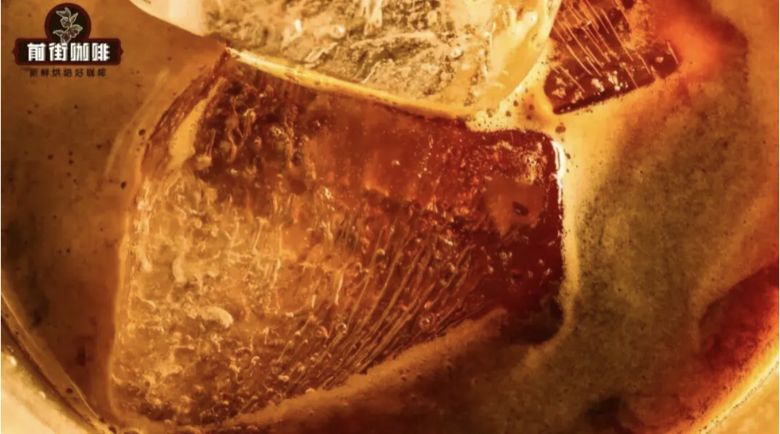
Cold brew and ice drip each have their own charm: cold brew wins on a round mouthfeel and suitability for making in large batches, while ice drip wins on distinct layers and suitability for tasting a single origin. When choosing beans, set your direction according to your extraction method; cold brew leans full-bodied and ice drip leans fresh, so do not mix the two sets of bean-selection logic.
Related Reading


Comments (0)
Loading comments...
You May Be Interested


Trending Reviews
Popular Videos

With you, wherever you are! We provide useful features to help you find new things you'll love






