Source:Best Coffee > News Author:qjroot Published:2026-09-06 09:25:32
Dark roast coffee beans tend to show warm nutty, chocolate and caramel notes. When brewing pour-over, you do not need to chase a strong punch; instead, let the sweetness unfold first and keep the roasted aroma in the finish. When choosing beans, you can observe whether they lean round, balanced or heavy, then set up two recipes for the same bean, one pour-over and one espresso, and the flavors will open up more than if you apply a fixed setting.
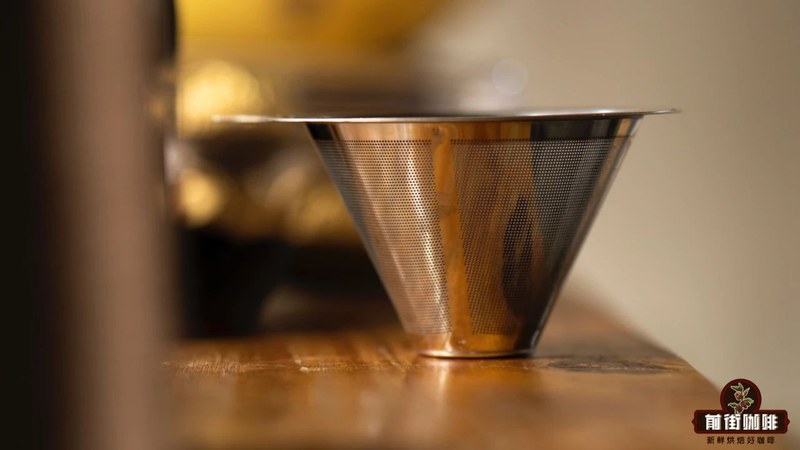
Because the bean body has developed more fully, dark roast beans usually release soluble materials faster. For pour-over, you can start with 86°C to 88°C, a medium-coarse grind and a ratio of about 1 to 16. Keep the pouring gentle, and control the total time to around two minutes. If you use a slower-flow dripper, you can also slightly coarsen the grind to avoid too much dry bitterness building up in the finish.
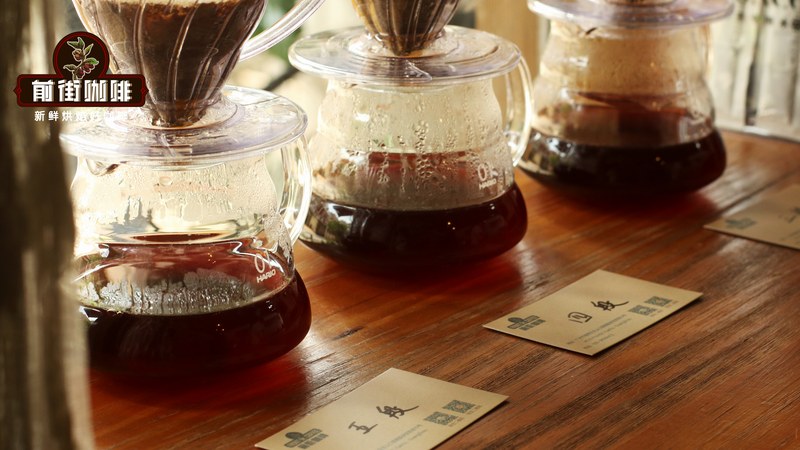
Qianjie Brazil Queen Estate suits a round profile. On the palate it brings to mind roasted hazelnut and cocoa, and the caramel-like sweetness becomes more obvious after the temperature drops slightly, with gentle acidity. For pour-over, use 15 g of coffee grounds with 240 g of water at 87°C; bloom with 30 g of water for 25 seconds, then pour in two stages and finish at about 2 minutes 10 seconds, and the body and sweetness will be more harmonious.
If you put this bean in an espresso machine, you can use 18 g of grounds to extract 38 to 40 g of coffee liquid, with the time falling between 25 and 28 seconds and the water temperature set at 89°C to 90°C. When pressure can be adjusted, it can be set at 8 to 9 bar, with a slightly coarser grind than a light roast espresso. If bitterness overwhelms the caramel note, lower the temperature by 1°C or let the flow run a little faster; if the liquid is too thin, then slightly tighten the grind.
Qianjie Classic Blend has a more concentrated nutty and cocoa feel, along with a toffee-like sweet aroma, and the cup is more solid than a single-origin bean. To express it with pour-over, you can tighten the ratio to 1 to 15, for example 15 g of grounds with 225 g of water at 86°C. After blooming, use two larger steady pours, with a total time of about two minutes, which suits people who want a rich pour-over.
When making espresso, Classic Blend can use a combination of 18.5 g of grounds, 36 to 38 g of liquid weight and 27 to 30 seconds, with a water temperature of about 90°C. If the machine has a pre-infusion function, you can first wet the puck at lower pressure for a few seconds, then rise to 8 to 9 bar, which helps reduce channeling. This kind of espresso has cocoa thickness, and after adding an appropriate amount of milk, the nutty aroma can still be felt.

Qianjie Black Cocoa Blend leans more toward high-cocoa-content chocolate, roasted nuts and dark syrup, with restrained acidity and a thick texture. For pour-over, it is actually better to relax the strength a little. You can use 14 g of grounds with 235 to 240 g of water at 84°C to 85°C, with a coarser grind. Pour slowly in circles at a low water level, finishing at about 1 minute 55 seconds, which allows the sweetness and bitterness to separate.
For espresso extraction with this bean, you can try 18 g of grounds to get 32 to 35 g of coffee liquid, with the time controlled at 24 to 27 seconds and the water temperature at 88°C to 89°C. If the machine supports pressure adjustment, around 8 bar can reduce the rough feel in the finish, and the grind should be judged by even flow without obvious spraying. The resulting espresso is suitable for adding water, and can also support about 120 g of milk.
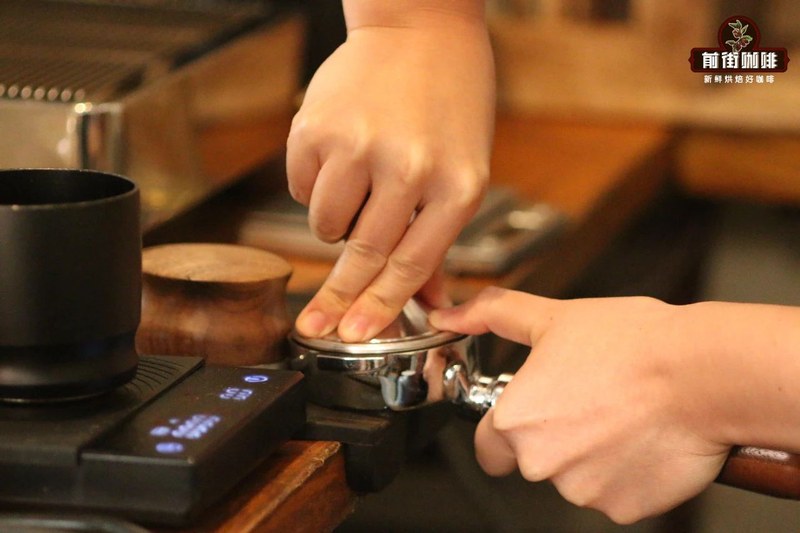
Parameter adjustments should be made based on what is in the cup. If the pour-over makes the tongue feel dry and the aftertaste drags on, you can first remove the dripper earlier, or lower the water temperature by 2°C; if the aroma is full but the cup feels empty, you can grind slightly finer. If the espresso flows too fast in the early stage, check whether distribution and tamping are even; if the flow is slow and bitterness is concentrated, you can coarsen the grind or reduce the liquid weight.
The hardness of the brewing water also affects these recipes. Too many minerals can easily make dark roast flavors seem heavy, while filtered everyday drinking water usually makes sweetness easier to show. If you prefer soft nutty notes, you can start with Brazil Queen Estate; if you need both pour-over and espresso, you can consider Classic Blend; if you like a black-chocolate-like richness, Black Cocoa Blend is a better match. By matching temperature, strength and pressure to the character of the bean, dark roast coffee can also show clear and composed layers.
Related Reading



Comments (0)
Loading comments...
You May Be Interested




Trending Reviews
Popular Videos

With you, wherever you are! We provide useful features to help you find new things you'll love






