Source:Best Coffee > News Author:qjroot Published:2026-08-22 17:49:59
Brewing tutorials for floral and fruity notes all talk about water temperature, grind size and ratio, but the variable that accounts for more than 98 percent of the finished cup is often overlooked: water. This time, four common types of water are used with the same beans and the same set of parameters to make an americano, to see how much water quality affects the expression of floral and fruity notes.
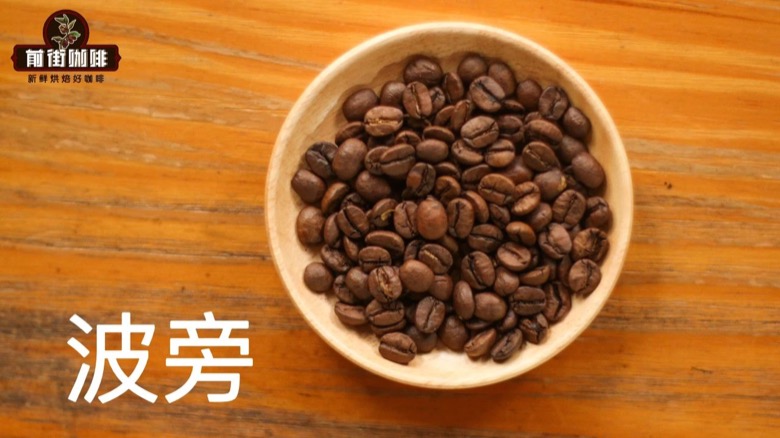
Experimental design. Bean selection: Qianjie Yirgacheffe Gudingding (medium roast, citrus and jasmine profile). Four types of water: tap water (total hardness medium to high), purified water (reverse osmosis), mineral water A (low mineral content, hardness about 50), mineral water B (high mineral content, hardness about 200). Extraction kept uniform: 90 degrees, 1:15 coffee-to-water ratio, poured directly as pour-over.
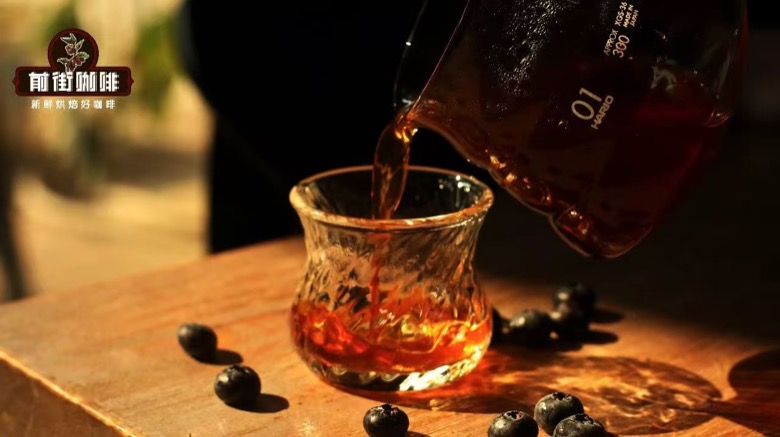
Tap water group: the flavor is "dusty." The citrus acidity is still recognizable, but the overall clarity of the flavor drops noticeably - the aroma is "blunted" by a layer, and the finish has a slight astringency and off-flavors. The residual chlorine and relatively high minerals in tap water are the main causes: the smell of chlorine interferes with aroma perception, and calcium and magnesium ions bind with some flavor compounds and change the ratio in which acidity and sweetness present themselves. Conclusion: tap water is the "frosted glass" over floral and fruity notes - usable, but the flavor is discounted.
Purified water group: transparent but "thin." The fruity acidity has excellent transparency, and the jasmine aroma is clear and unobstructed, but the body is on the thin side, the sweetness lacks a "sense of substance," and the acidity, though clean, feels slightly "floating" - water with almost zero minerals lacks a "carrier effect," so the flavor's dimensionality is discounted. Conclusion: the floral and fruity notes in purified water are like a painting without a frame - clean, but missing a layer of support.
Low-mineral mineral water group: the top performer of this round. A hardness of about 50 happens to fall in the balance zone that "supports the mouthfeel without suppressing the flavor": the citrus acidity is bright and rounded, the jasmine aroma is complete, the sweetness has a sense of substance, and the finish is clean and long - the three elements of aroma, acidity and sweetness are all present and balanced.
High-mineral mineral water group: the flavor's "silencer." The fruity acidity is clearly weakened - calcium ions bind with organic acids, the acidity is "muted," the floral and fruity notes overall turn "dull," and the cup comes close to a mediocre balanced bean; the character of Qianjie Gudingding almost disappears. Conclusion: high-hardness water is the hidden opponent of floral and fruity notes; the "hardness" figure on a bottle of mineral water is more worth paying attention to than the brand name.
Quick conclusion reference: water quality priority - low-mineral mineral water beats purified water beats tap water beats high-mineral water; the sweet spot for hardness is between 30 and 80, and the "calcium and magnesium content" on a bottled water ingredient list can be used for reference and conversion.
Practical advice: keep a low-mineral bottled water at home as "flavor water," use purified water for everyday drinking, and bring out the low-mineral water only for tasting sessions - the investment in water is a few yuan, and the return is "two levels of performance from the same beans." Water is the larger component of coffee, and it deserves to be taken seriously.
Related Reading


Comments (0)
Loading comments...
You May Be Interested

Trending Reviews
Popular Videos

With you, wherever you are! We provide useful features to help you find new things you'll love






