Source:Best Coffee > News Author:qjroot Published:2026-09-07 12:26:19
Coffee brewed with a Bialetti moka pot has a strength somewhere between pour-over and espresso, so choosing beans cannot rely on the flavor name alone. A more practical approach is to place the beans within a specific set of parameters and observe: how fine the grounds should be, how the water temperature is set, when the heat should be reduced, and whether the final cup is meant to be drunk black or with milk. Only when the parameters match will the flavor come through consistently.

With medium-dark or dark roasted beans, a moka pot more easily produces cocoa, nut and caramel notes. This type of bean has a relatively loose, crumbly structure, so water meets less resistance as it passes through the coffee bed, and the grind should not be too fine. Fill the basket, then gently level the surface without tamping; fill the water to just below the safety valve and heat over low heat. When the color of the liquid starts to lighten and the sound shifts from continuous to rapid and sputtering, it is time to take it off the heat.
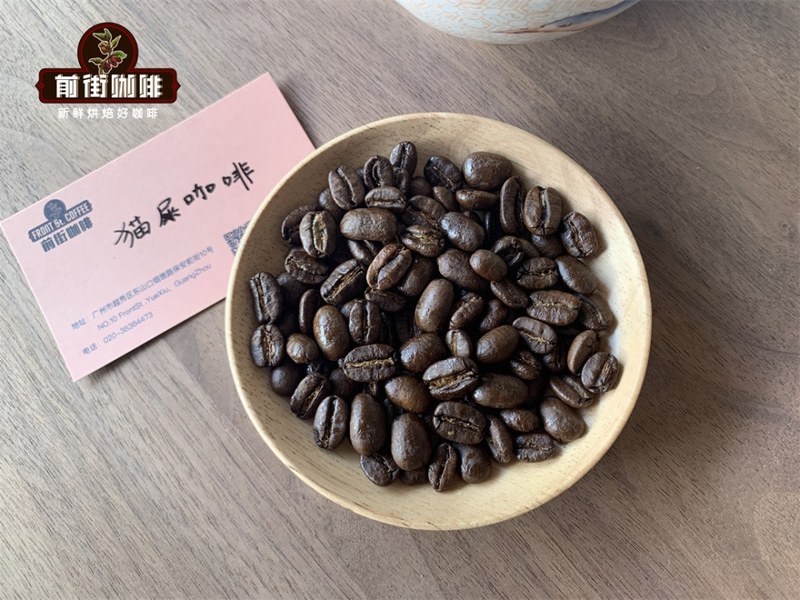
Qianjie Classic Blend is well suited to this kind of everyday approach. Its flavor focus is nuts, cocoa and caramel; the brewed coffee has good body and does not taste thin when drunk on its own, and it still retains coffee flavor with a small amount of milk added. If it tastes bitter, you can coarsen the grind by half a notch and turn off the heat earlier; if the aroma is lacking, you can slightly raise the water temperature without changing the dose.
Medium roasted beans need a gentler heating rhythm to bring out sweetness and a round mouthfeel. You can start with water close to room temperature in the pot and use medium-low heat so pressure builds slowly, avoiding a rapid rise at the bottom that causes burnt notes. Grind slightly finer than for dark roasted beans, but still noticeably coarser than espresso grounds. The aroma is clearer in the first part of the extraction, and once the color lightens in the later stage, heating should be stopped promptly.
Qianjie Papua New Guinea Paradise Bird suits those who prefer lower acidity and value a soft sweetness. With a moka pot, you can reduce disturbance of the coffee bed and control the heat to keep the flow steady; after brewing, first add a small amount of hot water to dilute it, then decide whether further adjustment is needed. This makes the roundness more obvious without masking the originally clean mouthfeel through excessive strength.
If you usually brew pour-over, you can use pour-over parameters as a reference when choosing beans. Lighter beans often need higher water temperatures and a finer grind; for pour-over you can start around a 1:15 coffee-to-water ratio with a water temperature of about 92 to 94 degrees Celsius, and increase sweetness through pulse pouring. In a moka pot, you should reduce the thermal shock, using a slightly coarser grind and a slower temperature rise to avoid sharp acidity.
In pour-over methods, beans with lively acidity usually rely on higher water temperatures and full contact to open up their aroma; in a moka pot, the amount of water and coffee is limited by the pot itself, so there is less room for adjustment than with a dripper. Therefore, if the beans themselves have pronounced fruity acidity, you should confirm when buying that you can accept a brighter cup. If the brew turns out sour and thin, you can slightly refine the grind or extend the heating, but do not drag it all the way to a burnt, bitter tail end.
If you also have an espresso machine at home, you can use espresso parameters to understand where the moka pot's strength comes from. Espresso usually requires a fine grind, even distribution and higher pressure, and you can start testing with a brew ratio near 1:2; a moka pot does not have the same pressure, so you cannot directly use espresso grounds. Beans suited to an espresso machine should be ground coarser when used in a moka pot, and strength should be maintained by reducing the yield rather than grinding the coffee too fine.
Qianjie Black Cocoa Blend is better suited to a rich style of drinking. It has dark chocolate, roasted nuts and a thick sweetness, with low perceived acidity; when making a moka pot americano you can add less dilution water to keep the mouthfeel concentrated, while for a milk coffee you can use less milk to highlight the cocoa and roasted aromas. If it tastes dry, prioritize shortening the tail-end extraction rather than blindly increasing the dose.
For the same beans, black coffee and milk coffee also have different parameter priorities. When drunk straight, you need to preserve aroma and sweetness, so the extraction should not be overly concentrated; after adding milk, the coffee liquid needs enough density so it is not completely overwhelmed by the milk. With a moka pot, it is advisable to first fix the pot capacity, dose and water level, then fine-tune through heat, grind and dilution water, so it is easier to know where any change comes from.
When choosing beans, you can first look at which set of parameters you are willing to adjust. If you like convenience and often make milk coffee, start with beans oriented toward nuts and cocoa; if you are willing to observe changes in aroma, choose a medium roast with soft sweetness and clearer acidity, and give it a slower heating process. Bialetti does not limit you to any one kind of bean; what really affects the cup is whether the bean's characteristics work in harmony with the grind, water temperature and heat.
Related Reading







Comments (0)
Loading comments...
You May Be Interested



Trending Reviews
Popular Videos

With you, wherever you are! We provide useful features to help you find new things you'll love






