Source:Best Coffee > News Author:qjroot Published:2024-10-31 18:46:27
According to reports, a recent report released by Banco de Colombia showed that in the second quarter of this year, Colombia's total agricultural production grew by 10.2%, with overall growth of 8% in the first half of the year. In the first half of the year, Colombia's exports of agricultural products such as beans, citrus, flowers and cocoa grew by 11.6% year-on-year. However, coping with extreme weather remains an important issue for Colombia's agricultural production, so the bank will invest 22 billion Colombian pesos to support agricultural development.
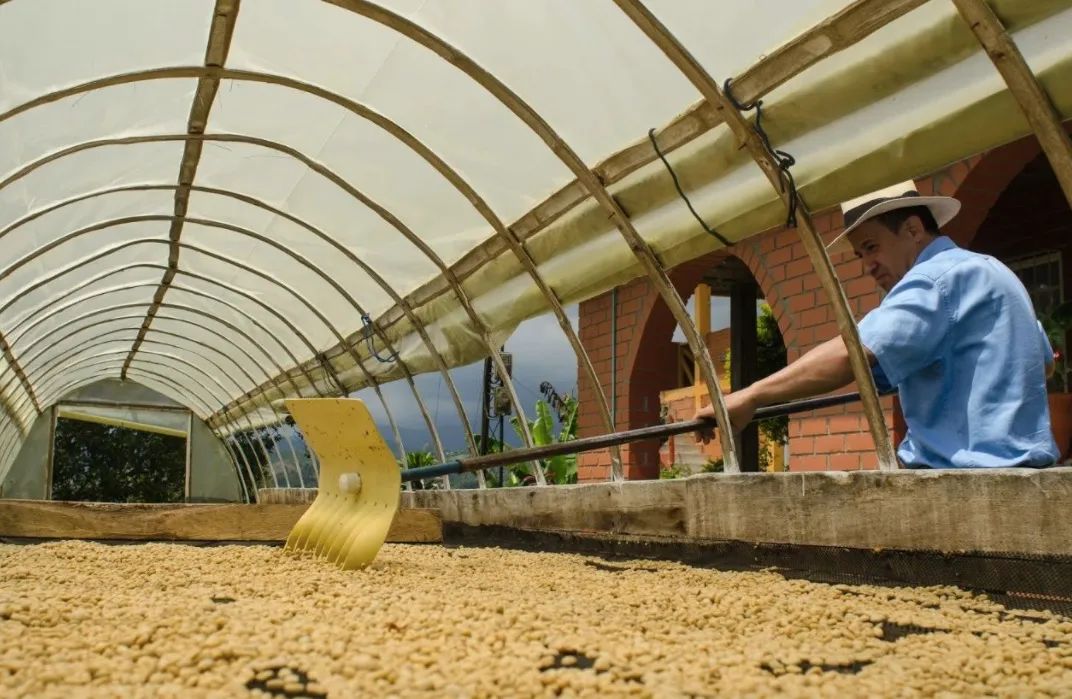
It is understood that Colombia is an important global exporter of products such as coffee, bananas and palm oil, and agriculture is an important pillar industry of the country, with more than 31% of the population making a living from agriculture. However, about 23% of Colombia's climate disaster losses each year are related to agriculture, causing relative instability in agricultural production and farmers' incomes. This is especially true for the coffee industry in the past two years, as Colombia has been continuously affected by El Nino and La Nina phenomena, reporting reduced coffee production for 3 consecutive years.
Although it began to grow slightly in 2023 and was expected to recover production in 2024 with growth of 15%, Colombia began to experience drought weather in January this year, with no rainfall, and water levels in multiple reservoirs and rivers dropped severely, and at one point restrictions on hydropower were needed, which had a huge impact on the coffee industry. Under originally dry conditions, irrigation should have been increased, but due to water shortages and water use restrictions, coffee farmers fell into a dilemma: on the one hand, a lack of water would be detrimental to coffee growth and reduce production; on the other hand, increasing water use might exceed established water use limits and lead to fines, increasing costs.
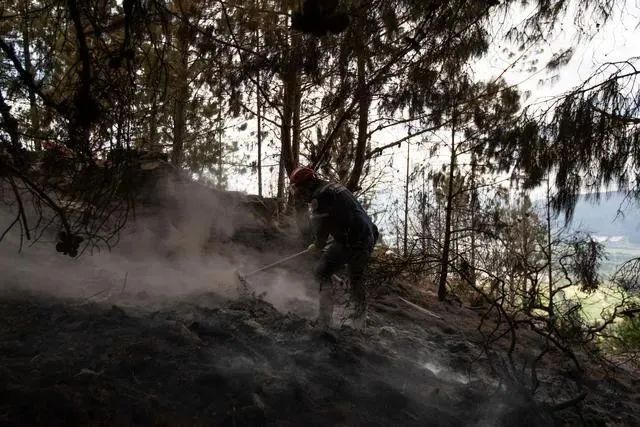
Fortunately, however, rainfall began to resume in May, alleviating part of the impact of the drought. But it was still in a drought state, and by September it entered the dry season again, triggering forest fires in Colombia. The dry and windy climate caused the fire area to continue expanding. According to reports, nearly 11,000 hectares of land in Colombia have been burned by the fires, including coffee and sugarcane plantations.
To this end, the Colombian government recently jointly released with the Latin American development bank the "Smart Initiative to Promote Sustainable Development of Agricultural, Livestock and Fishery Production Systems and Address Climate Change," which will be launched and implemented in 2025 and is expected to invest 99.9 million USD within 5 years to enhance the agricultural sector's ability to cope with extreme weather and climate change. In addition, the Banco de Colombia Foundation announced that it will invest 22 billion Colombian pesos to support agricultural development, focusing on 11 specific projects such as agricultural product processing, food technology and rural tourism.
This news is good news for Colombia's coffee industry, and according to data from the Colombian National Federation of Coffee Growers (FNC), Colombian coffee production at the end of 2023/24 can reach 12.53 million bags, an increase of 18% compared with last year, and it is expected that 2024/25 may exceed 13 million bags. At present, because coffee-producing countries such as Brazil and Vietnam have all reported reduced production, international coffee prices have remained high and continued to rise, and Colombia is the world's third-largest coffee producer and exporter, so an increase in coffee production is expected to bring international coffee prices down.
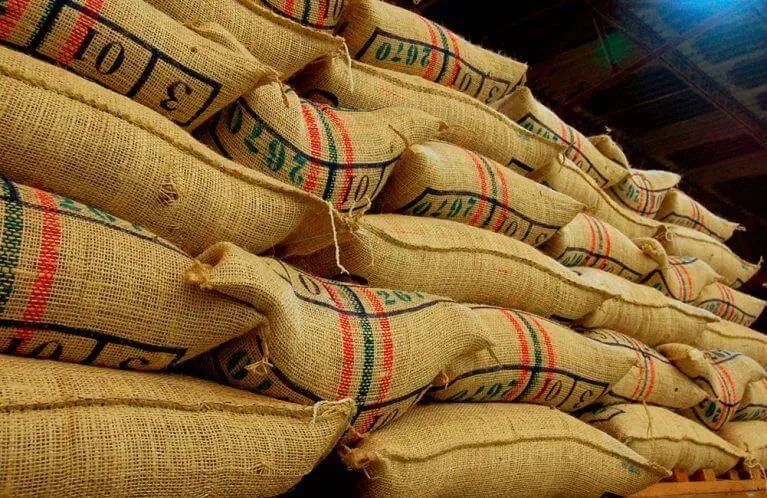
At present, Colombia's coffee industry also faces quite a few problems, mainly rising cultivation costs, internal conflict and the upcoming La Nina phenomenon. On the cultivation cost side, according to the latest World Bank forecast, due to the escalation of the conflict in the Middle East, the global cost of fertilizer production may climb in 2025.
In addition, some coffee-producing regions in Colombia are still unsafe, especially the southwestern departments of Narino, Cauca and Valle del Cauca; these areas are the main operating zones of the Central General Staff, the largest faction of the country's biggest anti-government armed group, the Revolutionary Armed Forces of Colombia, and have recently been clashing with government forces, affecting the region's security and economy.

Moreover, according to a warning issued by the US Climate Prediction Center, during the period from September to November 2024, the probability of La Nina occurring is 71%; once this phenomenon appears, it will bring severe weather to a number of coffee-producing regions including Colombia, affecting coffee growing and production activities and ultimately affecting its output. Therefore, people in Colombia's coffee industry currently hope that the new initiative launched by the government can effectively help solve this.
To learn more news and information about coffee origins, please scan the QR code to follow: Kaping
Long-press the QR code to follow:

Related Reading








Comments (0)
Loading comments...
You May Be Interested






Trending Reviews
Popular Videos

With you, wherever you are! We provide useful features to help you find new things you'll love






