Source:Best Coffee > News Author:qjroot Published:2025-03-18 15:39:05
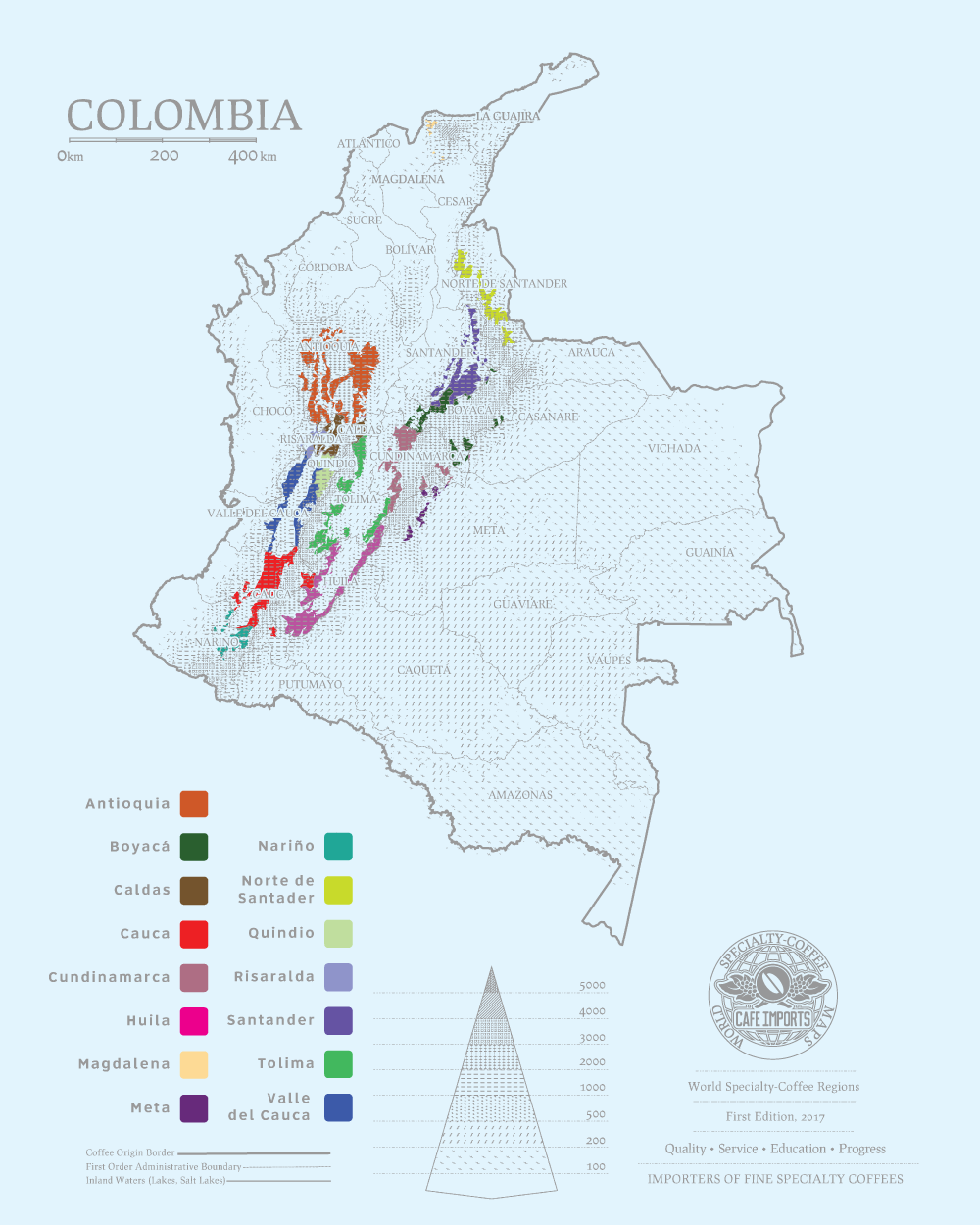
Currently, thanks to its unique terrain and climate, Colombia has become the world's third-largest coffee-producing country. It has 15 coffee-producing regions, mainly concentrated in the western Andes Mountains, and these regions each have their own characteristics due to differences in growing areas and processing methods.
Among these regions, the specialty coffee regions are mainly concentrated in the southwest, such as Huila, Cauca and Narino. In recent years, coffee beans from the Huila region can often be seen on the market. What characteristics and special features does this region have? Why is it so popular?
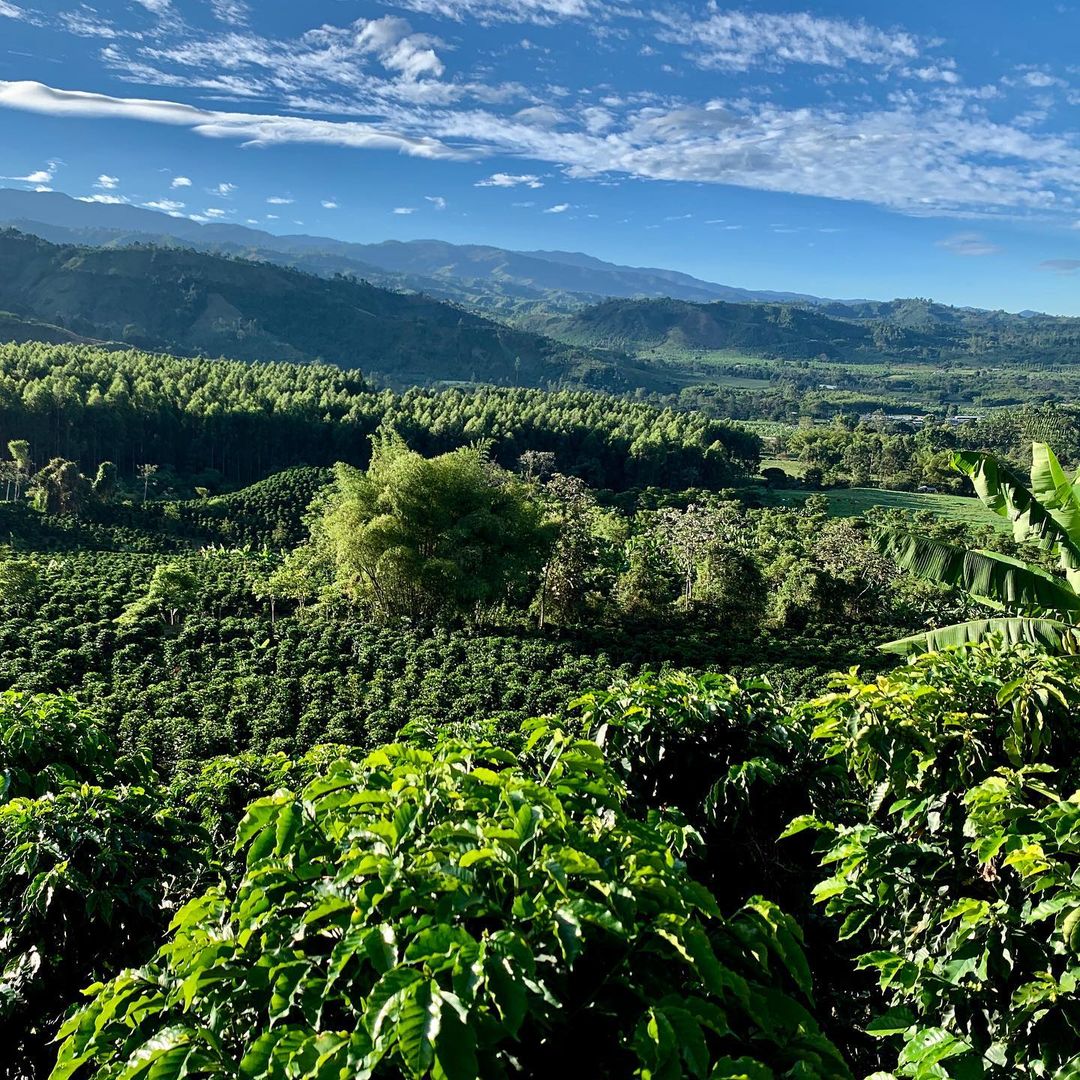
First, Colombia is located on the equator, its climate varies with the terrain, and it has many mountain ranges. Thanks to the diverse climates provided by the mountains, Colombia has a harvest season all year round, and coffee from different regions ripens in succession at different times.
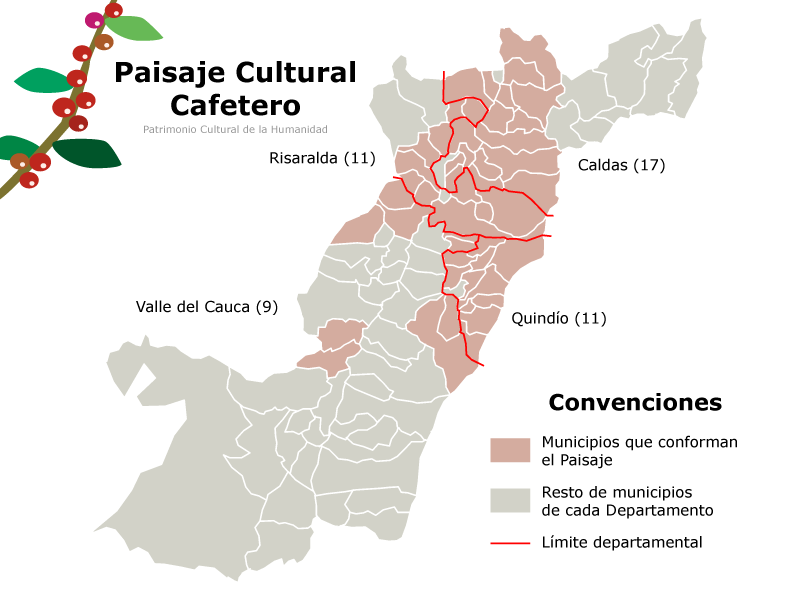
However, this also varies by region. In the northern and southern producing regions, there is only one rainy season and one dry season all year round, and only one harvest season, but the central producing regions have two dry seasons and two rainy seasons in a year, and therefore two harvest seasons, with very high yields. Before the concept of specialty coffee existed, coffee farmers paid more attention to coffee yield in order to obtain more profit. At that time, coffee-producing regions in the center such as Quindio, Cauca Valley and Cundinamarca became the axis of the early Colombian Coffee Triangle.
At that time, the Huila region had always been mainly agricultural, growing mainly grains, fruit, tobacco and sugarcane. When coffee cultivation spread to the area, farmers also gradually began to grow coffee, and because yields were not high, it remained obscure. It was not until later, when the concept of specialty coffee gradually emerged, that some international coffee buyers came to the Huila area and discovered that the coffee from this region tasted better than coffee from the center and north, and that yields were not low either, so they flocked here to buy coffee.
Since then, coffee prices in the Huila region have risen steadily, even surpassing coffee prices in the north. Coffee farmers' incomes began to increase, and more and more local people began to grow coffee. The government also began to pay attention to the development of the southern producing regions. Later, the Huila region, together with Cauca and Narino, also in the south, formed the new Colombian Coffee Triangle, and it frequently appears on the list of the Cup of Excellence (COE) in Colombia.
Huila is also known as Huila, and lies in the valley between the Eastern Cordillera and the Central Cordillera. Its name comes from the nearby Huila Volcano of the same name. This volcano is also the highest in Colombia, reaching a maximum altitude of 5,365 m, yet at the same time it provides the region with mineral-rich volcanic soil.
In addition, the region lies within a canyon, surrounded by mountains. Inside the canyon it is not exposed to cold winds, yet at the same time it has cool mountain breezes, giving it a mild climate with year-round temperatures between 17-23ºC. It is also the source of the Magdalena River, Colombia's mother river, with abundant water resources, and coffee is grown on slopes above 1,500 m. With such a rich natural environment, the coffee produced here is of high and consistent quality.
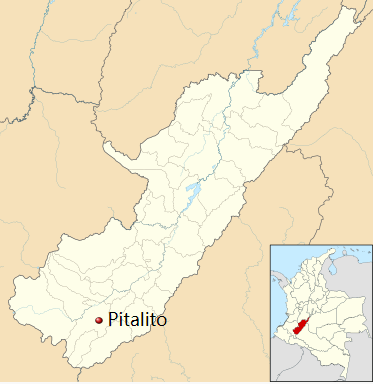
When talking about the Huila region, one cannot leave out the town of Pitalito in the southwest of the area. This is the province's most important coffee production center, where coffee farms average only 2 hectares in size, but it is home to many well-known coffee estates, such as El Diviso and El Rorble.
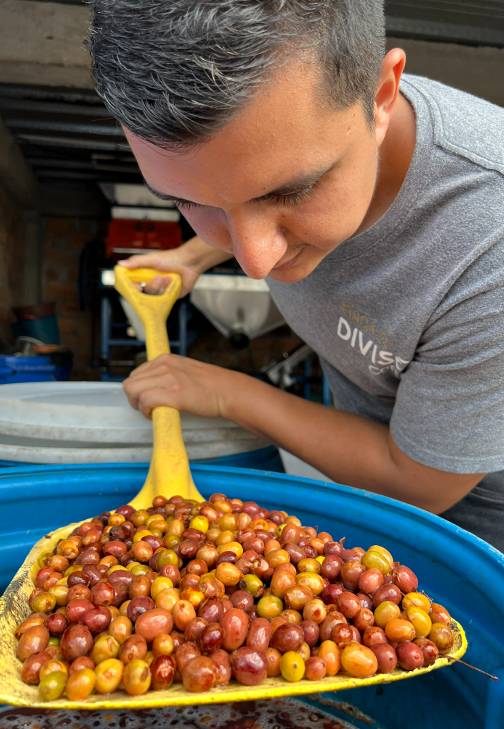
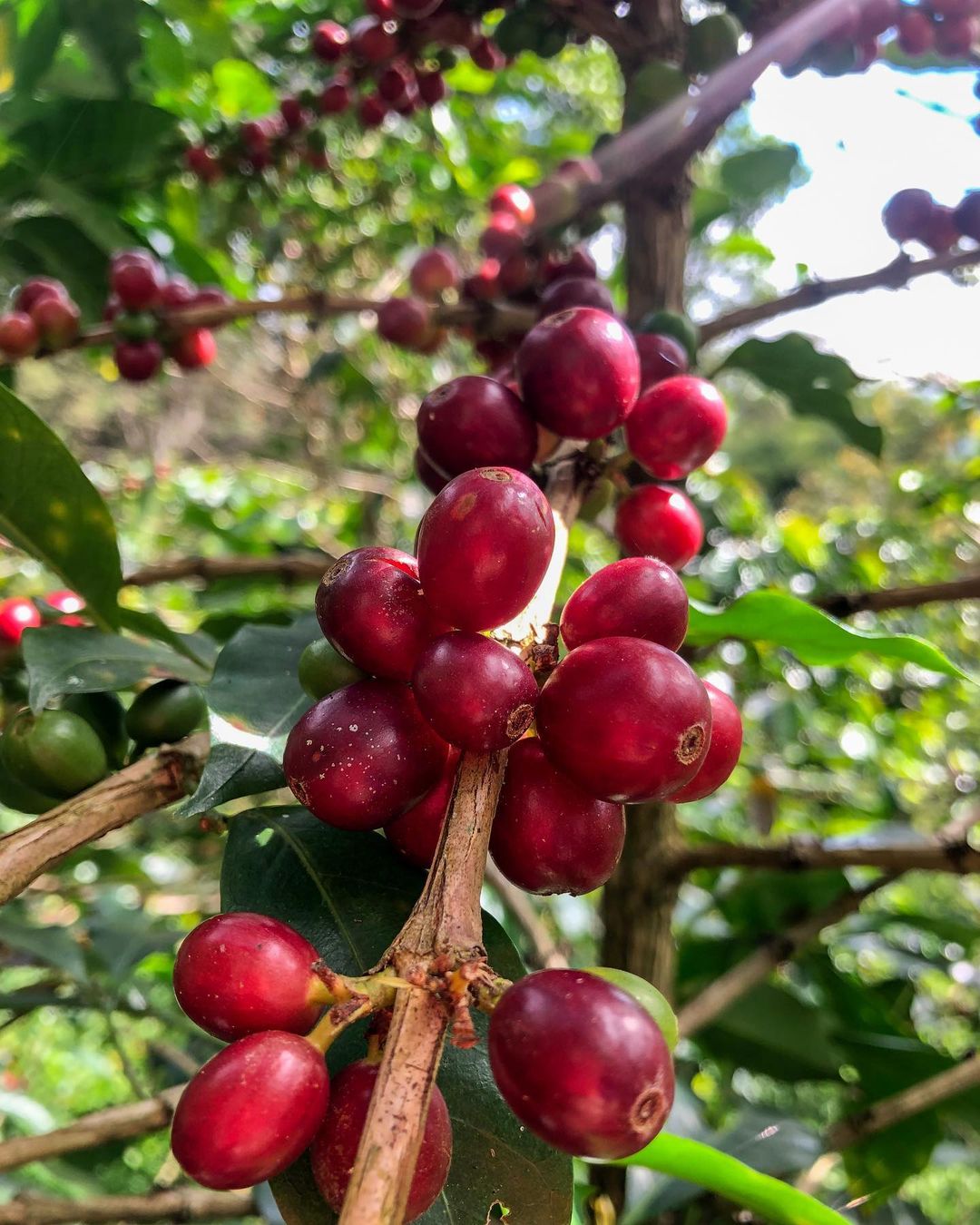
According to data from the National Federation of Coffee Growers of Colombia (FNC), the Huila region obtained an official designation of origin in 2013 and currently accounts for about 18% of Colombia's total coffee production. The reason Huila coffee is so popular is that the region combines high yields with good quality, and it has won awards in coffee competitions many times. It is much loved by consumers for its full body, flavors of nuts, chocolate and caramel, and pleasant fruit acidity.
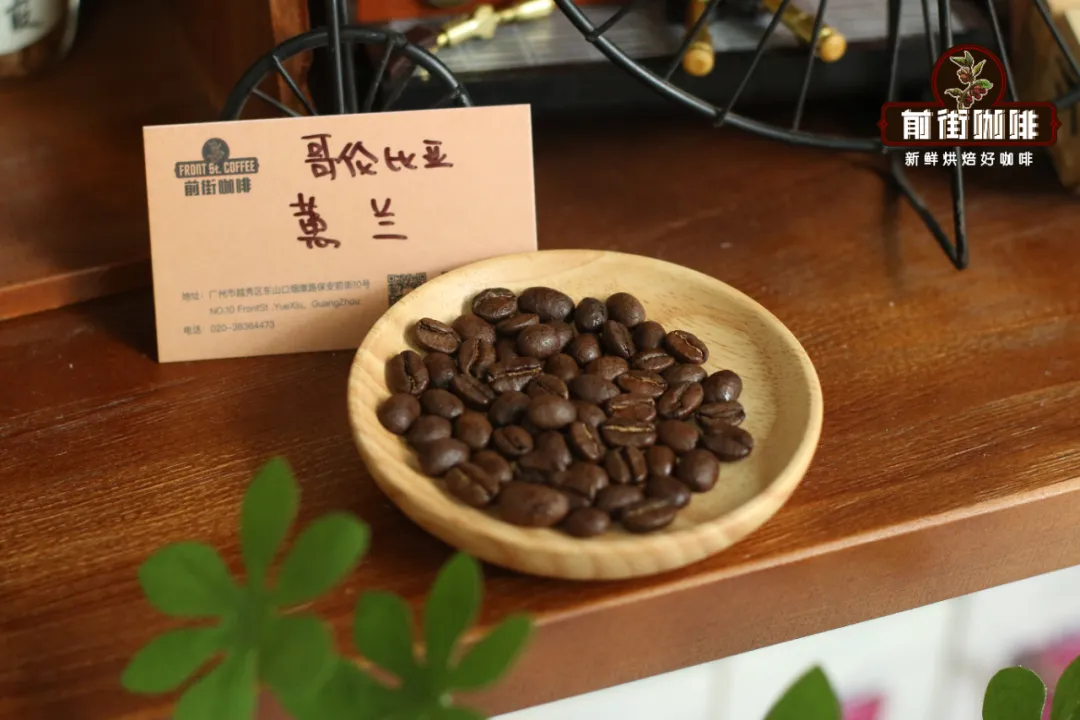
FrontStreet Coffee's everyday bean series also includes this well-known region. This entry-level selected Huila region coffee bean uses the Caturra (Caturra) variety and a washed processing method. After brewing it has flavors of dark chocolate, nuts and caramel, with soft fruit acidity at low temperatures, a clear sweet aftertaste, and an overall well-balanced profile.
Related Reading


Comments (0)
Loading comments...
You May Be Interested




Trending Reviews
Popular Videos

With you, wherever you are! We provide useful features to help you find new things you'll love






