Source:Best Coffee > News Author:qjroot Published:2026-09-24 13:43:43
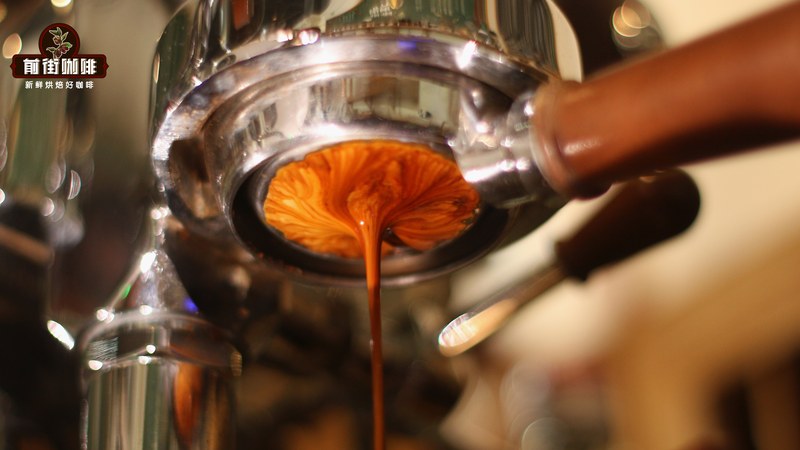
Many people are drawn to espresso because they are captivated by the rich, golden-glowing layer of crema during extraction. This layer of crema is technically known as Crema, the product of natural coffee oils emulsified under high temperature and high pressure, combined with tiny carbon dioxide bubbles inside the roasted beans. It not only gives espresso a wonderful velvety mouthfeel, but also locks in a large amount of volatile aromatics, allowing the coffee to bloom more intensely and persistently on the tip of the tongue.
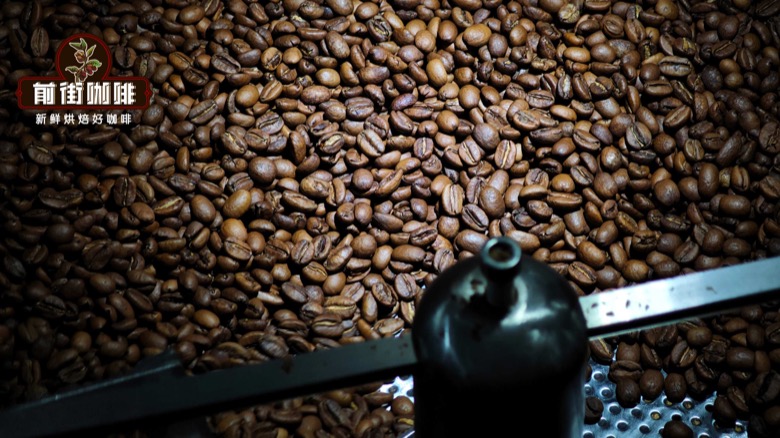
To obtain a rich and lasting crema, the oil content and freshness of the roasted beans are especially critical. Generally speaking, lightly roasted beans are hard in texture and low in gas content, and the extracted crema tends to be relatively thin; medium-dark roasted beans, however, can produce a thicker, darker crema. In addition, the green bean variety is also key. A blend that incorporates an appropriate amount of Robusta is naturally rich in oils and can bring an especially dense and solid foam.
If you are after a abundant crema performance, Qianjie Classic Blend is a highly recommended choice. This bean combines Brazil, Mandheling and a small amount of Robusta, and under medium-dark roasting it gives off bright butter, toasted bread and caramel biscuit aromas, with a solid mouthfeel and very stable extraction performance. If you like a rich, street-style flavor, Qianjie Commercial Blend is likewise full-bodied in crema with a strong nutty aroma, and even as a milk coffee it remains fragrant and full.
For those who prefer a pure Arabica flavor, the medium-dark roasted Qianjie PWN Golden Mandheling and Qianjie Queen's Estate are excellent partners. Golden Mandheling carries a steady caramel sweetness and herbal notes, with a low-acid, rounded mouthfeel; Queen's Estate, on the other hand, brims with delicate creamy and nutty flavors. These two single-origin beans can also extract a rich, deep crema layer, making them suitable both for drinking on their own and for making milk coffee.
With beans you are happy with, if you want to make both the crema and the flavor beautiful, you must understand the relationship between extraction yield and concentration. Extraction yield represents how much of the flavor components in the coffee grounds have been dissolved out, while concentration is the density of soluble substances in the cup. Espresso seeks to bring out the sweetness and aromatic substances within a limited time; if under-extracted or over-extracted, both the state of the crema and the flavor in the cup will suffer greatly.
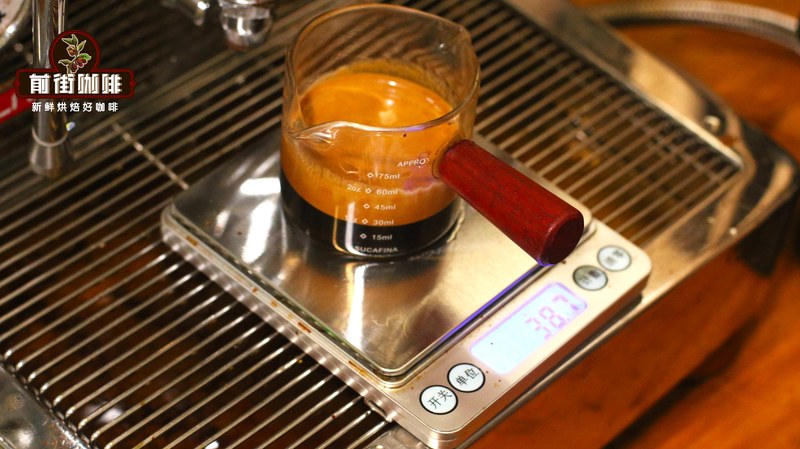
When dialing in parameters for the first time, you can first establish a standard extraction specification. It is recommended to use 18 to 19 g of coffee grounds, at a medium-fine grind size, and rely on stable extraction pressure to let the machine steadily extract 36 to 38 g of espresso liquid within 25 to 28 seconds. Under this extraction rhythm, the espresso flowing out is like melted warm hot chocolate, its surface covered with a fine golden-brown crema, and the overall flavor is full and balanced.
If, when tasting, you find the coffee noticeably watery and the flavor on the weak side, it is often because the grind is too coarse, causing the water to flow too fast, the extraction yield to be low, and the crema to dissipate quickly. At this point you can adjust the grind half a step finer to slightly increase resistance. If after sipping the back of your tongue feels dry and slightly astringent, with an obvious burnt bitterness, it is most likely local over-extraction caused by too fine a grind; slightly coarsening the grind can turn the bitterness into a smooth nutty sweetness.
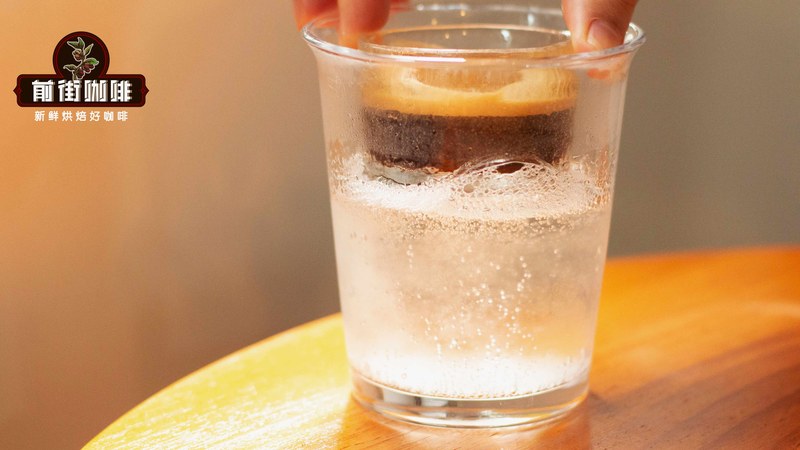
The extraction water temperature will likewise change the concentration and mouthfeel of the espresso. For medium-dark roasted beans like Qianjie Classic Blend, it is recommended to keep the water temperature between 90 and 92°C, which can effectively reduce burnt and bitter off-flavors. When choosing beans, you can also consider your drinking habits: beans with a rich crema and solid flavor are especially suitable for drinking strong, or with milk as a latte; while a delicate, sweet single-origin espresso, when diluted with water into an americano, often reveals more layers.
Once you have mastered the techniques of crema and fine-tuning parameters, extracting espresso at home will become an easy and eagerly anticipated pleasure. Watching the golden, fine crema slowly rise in the cup, with warm roasting aromas filling the air, and taking a gentle sip, your lips and teeth are filled with silky, rounded warmth. With a casual tweak of the grind and yield, you can bring every bag of coffee beans you have into an ideal state that is relaxed and smooth.
Related Reading



Comments (0)
Loading comments...
You May Be Interested


Trending Reviews
Popular Videos

With you, wherever you are! We provide useful features to help you find new things you'll love






