Source:Best Coffee > News Author:qjroot Published:2026-09-03 18:58:11
To drink a coffee whose acidity does not steal the show, which tastes sweet on entry, and which leaves a sweet lingering finish after you swallow, you cannot just stare at the flavor label when choosing beans; you also need to look at the equipment and parameters you have at home. Pour-over, cold drip, and espresso machines extract at different rhythms, so the same bean will show different sweet-to-acid ratios. By matching grind size, water temperature, coffee-to-water ratio, and extraction time, that softness becomes much easier to brew out.
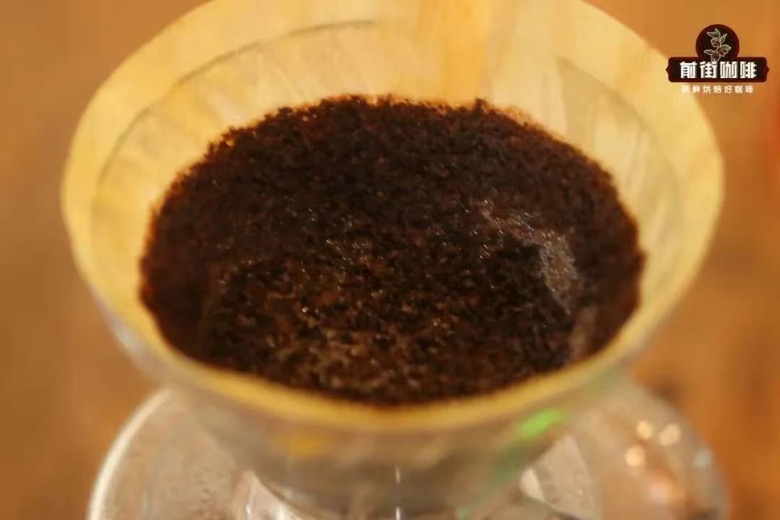
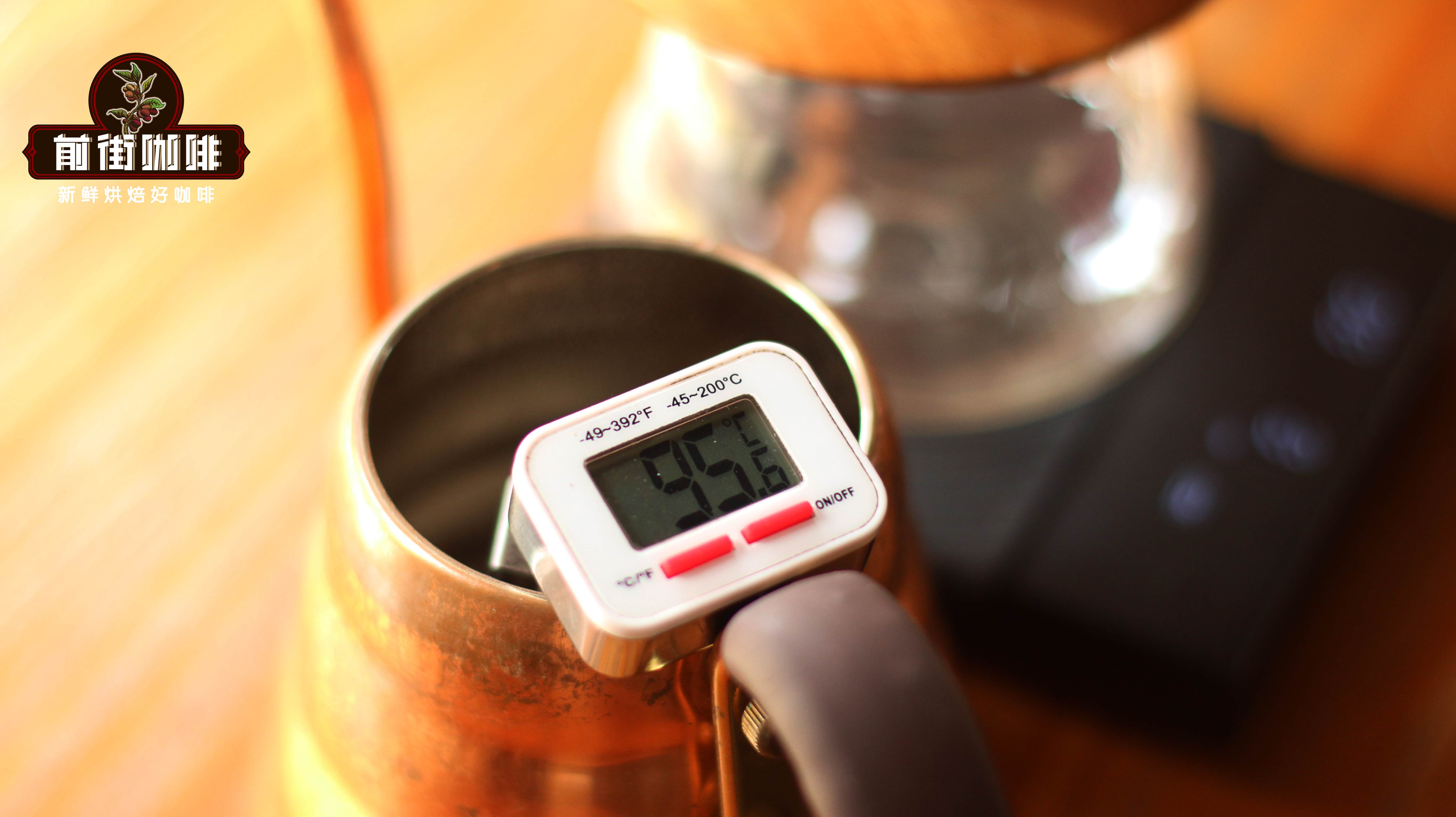
When brewing pour-over with a conical dripper, you can start with a medium-fine grind, a water temperature of around 92°C, and a 1 to 15 coffee-to-water ratio. There is no need to pour too aggressively; let the coffee grounds absorb water evenly, then complete the extraction in stages. If the entry has obvious sharp acidity, you can make the grind slightly finer or extend the bloom; if the tail end turns astringent, reduce agitation, or let the water pass through the coffee bed faster.
Qianjie Grana Estate Geisha is suitable for people who like floral and fruity aromas and also want a layered sweet finish. It uses a natural process, and the cup easily shows orange blossom-like aromatics, then shifts toward the sweet, juicy feel of guava, apricot, and berry jam. For pour-over, you can use a water temperature of 90 to 92°C and a 1 to 16 coffee-to-water ratio, pouring in three stages; a gentler extraction rhythm lets the fruit sweetness stand out more than the bright acidity.
If you use a flat-bottom dripper, water flow distribution and bed depth will affect the roundness of the cup. For people who are more sensitive to acidity, you can set the grind in the medium-fine range, keep the water temperature around 90°C, and use a 1 to 15.5 coffee-to-water ratio. A total time of two and a half to three minutes makes it easier to balance aroma and sweetness; after brewing, wait one or two minutes before drinking, and the fruit aroma will shift from sharp to soft.
Qianjie Colombia Sidra performs better for iced pour-over, cold drip, or a single espresso. It has aromas like tropical fruit and dark berries, feels juicy on entry, and the sweetness becomes more concentrated as it cools. Iced pour-over can reduce the amount of hot water, replacing part of the water with ice; cold drip uses a coarser grind and a slower but continuous drip rate, and even after dilution the finished cup can still retain aromas pointing toward grape and apricot.
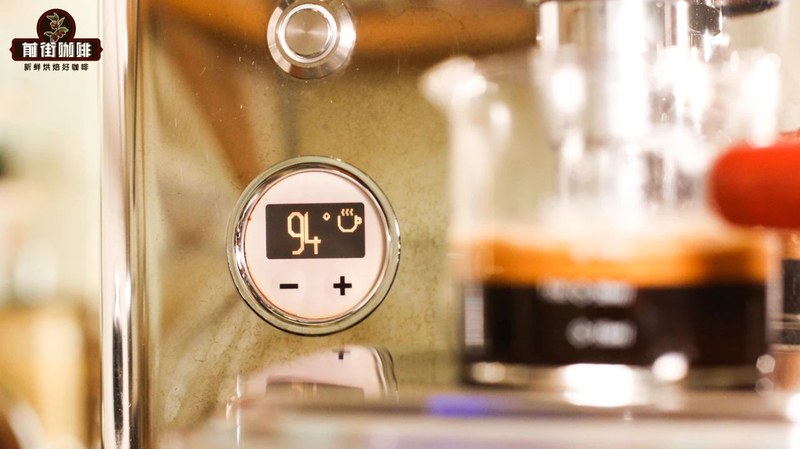
If you want to reduce acidity with a home espresso machine, the dose and yield must first form a stable ratio. You can start by observing 18 g of coffee, 36 g of liquid, and about 28 to 32 seconds, with the water temperature between 91 and 93°C. If the espresso is thin and sharply acidic, you can grind finer or slightly increase the yield; if bitterness and a dry sensation increase, shorten the yield to avoid over-extracting the tail end.
When making an Americano with espresso, the perception of acidity is also affected by the amount of water added and the drinking temperature. With a higher proportion of hot water, the aroma appears more open; after adding ice, the acidity is usually more restrained, but the sweetness also needs enough concentration to support it. For Qianjie Panama Hacienda La Esmeralda Red Label Geisha, you can use a shorter espresso ratio to retain jasmine, citrus, and black tea notes, then add a small amount of water and drink it slowly for a cleaner finish.
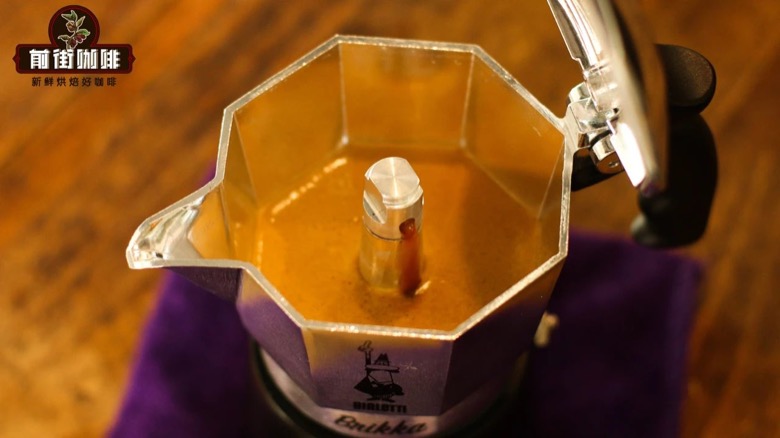
A moka pot is suitable for choosing beans in the medium to medium-dark roast range, and the heat should be kept in a gentle range. The grind can be slightly coarser than for espresso; when filling the basket, keep the surface level and do not press it down hard. Once the coffee starts flowing out continuously, remove it from the heat promptly, then adjust the strength with a small amount of hot water; this can reduce scorched bitterness and preserve nutty, cocoa, or jam-like sweetness.
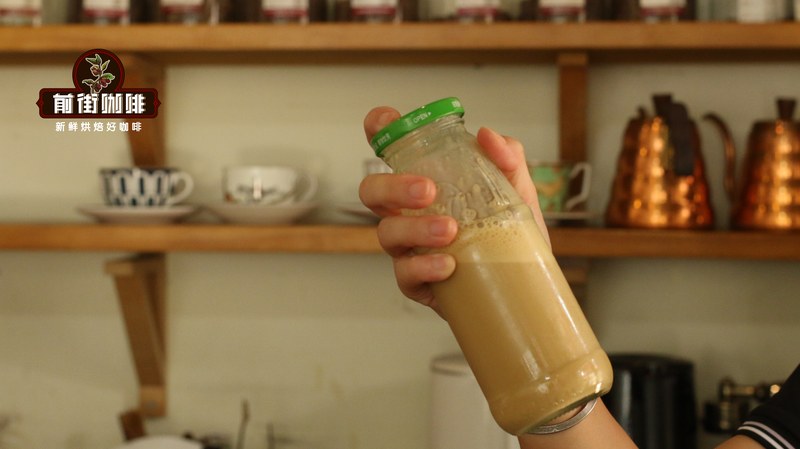
Cold brew parameters are better suited to trading time for a softer mouthfeel. You can start with a 1 to 12 coffee-to-water ratio, use a grind like coarse granulated sugar, and soak it in the refrigerator for ten to twelve hours. If you want the finished drink to be more refreshing, increase the water amount or shorten the time; if it tastes empty and thin, reduce the dilution water. For cold drip coffee, do not pursue slowness alone; a steady drip and a total extraction time kept within a reasonable range will give a more complete aroma.
Water quality and bean freshness will also change how you judge the parameters. Drinking water with moderate minerals is usually better at expressing sweetness; too soft may make the cup seem thin, while too hard will suppress floral and fruity aromas. Brew after the coffee beans have stabilized in degassing, and the parameters will be easier to repeat. Change only one of grind, water temperature, or coffee-to-water ratio each time, and record the entry, sweetness, and finish, and you will gradually find the acidity and sweet finish balance that suits you.
Related Reading


Comments (0)
Loading comments...
You May Be Interested



Trending Reviews
Popular Videos

With you, wherever you are! We provide useful features to help you find new things you'll love






