Source:Best Coffee > News Author:qjroot Published:2026-10-09 18:31:16
I have seen far too many customers behind the bar lift an espresso cup and let their eyes land first on that layer of light brown foam. That is crema: during high-temperature, high-pressure extraction, carbon dioxide and coffee oils are emulsified and wrapped around air to form a fine layer of bubbles. When you pull a double espresso at home on an espresso machine, 19 to 20 g of grounds yielding 38 to 40 g of liquid in 25 to 30 seconds, if the flow rate and pressure are both steady, a layer of foam about 3 mm thick will float up at the rim of the cup, ranging in color from golden to light brown. This is the starting point we are going to talk about.
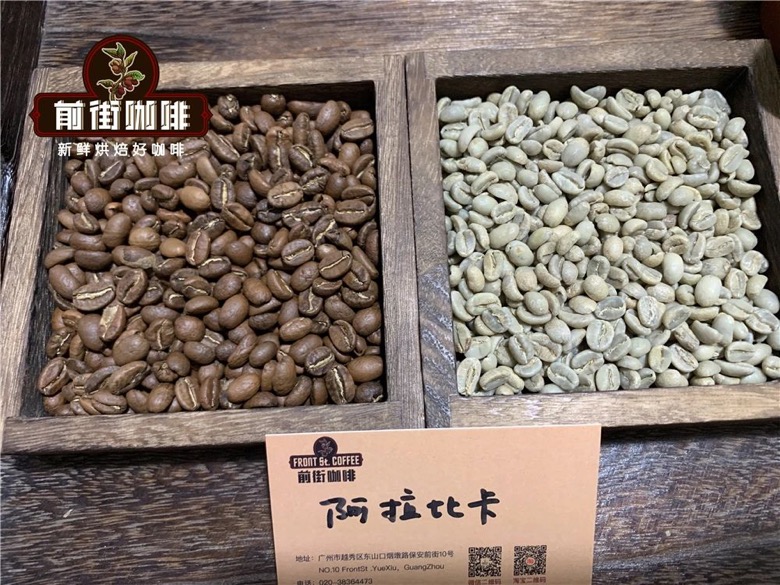
How much crema there is depends in large part on the beans themselves. Arabica tends to have relatively restrained oils and bright acidity, so floral and fruity notes come through easily; Robusta, by nature, is rich in oils, and the foam it extracts is thicker, with aromas leaning toward walnut, caramel and grain, plus an especially full body. Espresso blends often include a small amount of Robusta to shore up the framework of the crema and give milk drinks a fuller texture. Qianjie Classic Blend follows exactly this approach: Indonesian Mandheling, Brazil, plus a little Robusta, medium-dark roast. The aromas of butter and toasted bread are very solid, the crema is so fine you can see your reflection in it, and the extraction is stable, making it very suitable for people who make a few cups every day on a fixed schedule. Qianjie Commercial Blend is also the traditional structure of Colombia, Brazil and a small amount of Robusta, with a base of nuts and cocoa. The crema flows well, it is low in acidity and full-bodied, and when making milk drinks the coffee-to-milk ratio is about 1 to 5. Steam the milk to 55 to 60°C; after combining, the sweetness is very smooth.
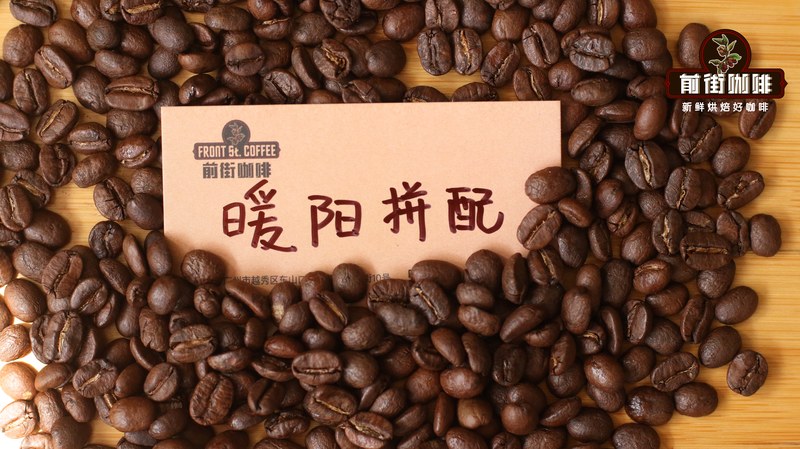
Roast level is the second key. Medium-dark roasts extract a viscous, darker-colored crema more easily than light roasts, because the oils inside the bean have fully developed near the surface, and when high-pressure hot water passes through, they emulsify thoroughly. But over-roasting backfires: too much oil seeps onto the bean surface and instead sticks to the packaging bag and the grinder, never making it into the extraction, so the foam in the cup ends up thin. Qianjie Golden Mandheling SOE is a medium-dark roast from the Indonesian Mandheling region, hand-sorted through multiple rounds for even particle size. It extracts notes of spice, herbs and sandalwood, with a finish of dark chocolate bitterness and sweetness; the crema has a firm texture and is especially layered as an espresso. Qianjie Queen Estate SOE comes from Brazil's high-altitude Yellow Bourbon and is likewise a medium-dark roast. The aromas of creamy peanut and nuts are very appealing, the crema is beautiful, and in milk drinks the aroma is plentiful with low acidity, making it suitable for people who like sweetness to lead.
Freshness is a variable that is very easy to lose control of at home. After roasting, coffee beans are always slowly degassing inside. Beans that are too fresh have too much carbon dioxide, and the crema will be rough, with large bubbles that dissipate quickly; beans that are too old have lost all their gas, and the crema is so thin it barely covers the surface of the liquid. Qianjie's own-roasted beans are all paced at within 5 days of roasting, so they are ready for the machine as soon as they arrive, and the flavor is more complete if you finish them within a month. You can observe the foam in your own cup: a mirror-like sheen, fine bubbles, and the ability to hold for two or three minutes without collapsing mean the beans are in good shape and the extraction rhythm is right. If the foam is coarse and breaks quickly, either the beans have been stored too long or the machine pressure is unstable, and you need to troubleshoot.
To judge whether crema is good, you have to look at color and texture together. Ideal crema is a uniform golden brown. Too light may mean under-extraction, and the sourness and astringency will be heavy; too dark or even black is mostly over-extraction or over-roasting, and the bitterness and burnt notes will overpower the other flavors. Thickness is not a single criterion, but around 3 mm is a comfortable reference: it can hold the aroma while not making the mouthfeel cloying. Qianjie Commercial Blend's crema is of the rich type, with good flow when pouring latte art, so patterns are easy to push open; Qianjie Classic Blend's crema is finer and denser, suitable for people who like a solid mouthfeel.
On bean selection, if you want the crema to stand out especially, look for blends that include a small amount of Robusta: stable structure, ample thickness. If you prefer the character of a single origin, SOE can also produce beautiful crema, provided the roast level and resting period are both on point. Qianjie Queen Estate SOE and Qianjie Golden Mandheling SOE both follow this idea: one takes the sweet route of creamy nuts, the other the deep route of spice and sandalwood, and their crema performances each have their own personality. If you use an espresso machine at home, you might as well fix the anchors of dose, yield and time, then switch beans to compare. The changes in crema will tell you where the differences lie before your sense of taste does.
In the end, crema is a mirror of the extraction and also a business card for the beans. It cannot by itself define whether an espresso is good or bad, but once you learn to read its color and texture, you gain another practical tool for choosing beans and dialing in the grind. Start by choosing a suitable espresso bean, keep the parameters steady, allow enough resting time, and that layer of foam will naturally give you honest feedback.
Related Reading


Comments (0)
Loading comments...
You May Be Interested

Trending Reviews
Popular Videos

With you, wherever you are! We provide useful features to help you find new things you'll love






