Source:Best Coffee > News Author:qjroot Published:2026-09-02 18:38:55
To drink a Yirgacheffe with soft acidity, you cannot just look at the region name. Yirgacheffe often has citrus, floral and tea notes, and the acidity itself is part of the flavor structure; if you prefer nuts, cocoa and a rounder mouthfeel, you can prioritize medium-dark roasts and let the equipment parameters reduce sharpness. Pour-over, espresso, moka pot and cold brew will each highlight different aspects of the same batch of beans.
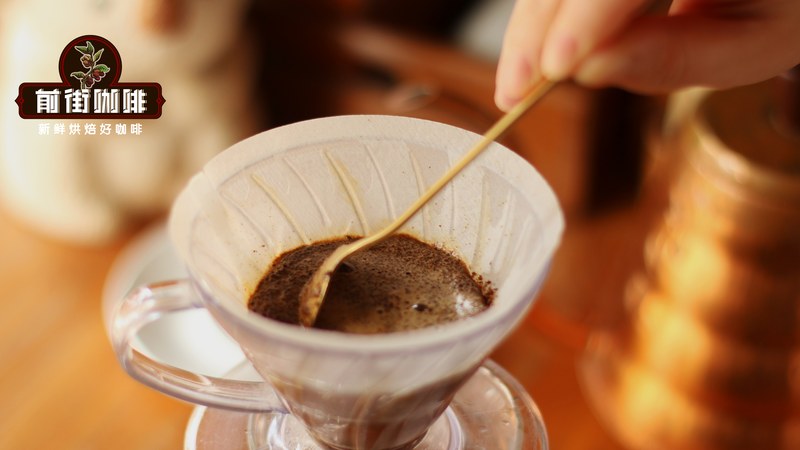
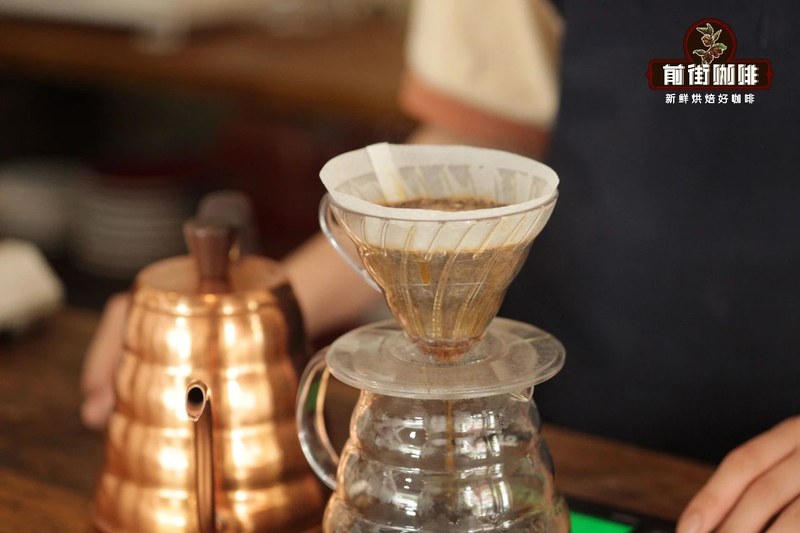
When using a dripper for pour-over, it is recommended to start with medium to medium-dark roast, set the water temperature at 90 to 92°C, use a medium-fine grind, and use a coffee-to-water ratio of 1 to 15. Pour a small amount of water first so the coffee bed absorbs water evenly, then finish in two to three pours with a small stream, for a total time of about 2 minutes 30 seconds to 3 minutes. The water temperature should not be too high, and there is no need to stir forcefully while pouring; the citrus acidity in the cup will be more restrained, and the sweetness and tea-like notes will remain more easily.
If the pour-over still tastes sharp on entry, first observe the flow rate and the state of the coffee bed. Flowing too fast often means under-extraction, so you can grind slightly finer, or raise the water temperature by one degree; if the finish feels dry and astringent, it means too many fines are taking part, so you can grind coarser and shorten the brew. For people who do not seek bright fruit acidity, choosing a medium-dark roasted Yirgacheffe and then extracting it slowly with a lower water temperature is usually more natural than simply increasing the dose.
If your home setup is mainly an espresso machine, you can aim for body, sweetness and aftertaste. Medium-dark roasted beans are suitable starting from 18 g of coffee, 36 g yield, and about 28 to 32 seconds, with a water temperature of about 91 to 93°C. When making an americano, adding hot water can open up the aroma, while for a latte you can control the yield to be more concentrated so the coffee flavor cuts through the milk. As a low-acid everyday choice, Qianjie House Blend has nutty, cocoa and caramel directions, and is quite easy to work with for both espresso and milk coffee.
For adjusting acidity on an espresso machine, the key is shot speed and liquid weight, not simply grinding the coffee very fine. When the liquid flows out quickly, the cup easily shows sharp acidity and thinness, so you can grind slightly finer; if it tastes bitter on entry and dries the tongue, then shorten the yield or grind coarser. If you like a softer americano, you can add water after the espresso is finished, avoiding a long high-temperature extraction that brings out bitterness.
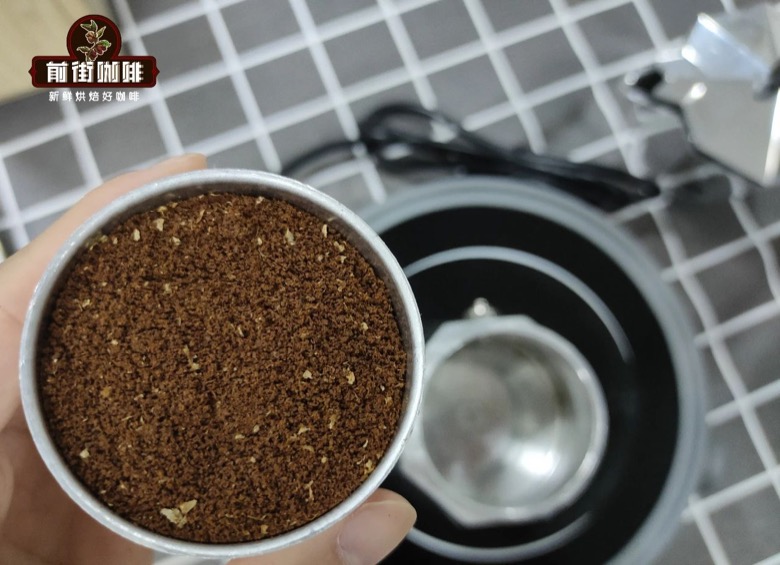
The moka pot is better suited to medium-dark roasted beans with nutty and cocoa-toned character. Qianjie Queen Farm Brazil has a hazelnut-like aroma, cocoa texture and caramel sweetness, with a mild acidity; the coffee liquid brewed with a moka pot is fuller and also suitable for adding hot water. Grind the powder slightly coarser than for espresso, and after adding the coffee, just level it gently; add hot water to the pot, heat over low heat, and remove from the heat when the liquid color becomes lighter.
The key with a moka pot is controlling temperature and the moment to stop. If the heat is too high, the coffee liquid easily carries burnt bitterness; if the heating time is drawn out too long, even low-acid beans will lose sweetness. If it tastes strong and bitter, you can lower the flame and stop earlier; if the mouthfeel is thin, then check whether the coffee dose fills the filter basket and whether the pot seals well. After adding a small amount of milk, the caramel character of the Brazilian beans becomes smoother.
Immersion devices such as the French press and Clever Cup are suitable for using medium or medium-dark roasted Yirgacheffe. With a coarse grind, a water temperature of about 92°C and a ratio of 1 to 15, you can first steep for 4 minutes, then slowly separate the coffee liquid. The aroma from the immersion method is thicker, and the acidity will not stand out as it does in a fast pour-over; if you want a cleaner cup, reduce the steeping time rather than grinding the beans too fine.
Cold brew is suitable for summer drinking and can also make the acidity appear gentler, but Yirgacheffe's floral and citrus notes may therefore become more subtle. If you want to retain some aroma, you can choose medium roasted beans, use a ratio of about 1 to 11, steep coarsely ground coffee in the refrigerator for 8 to 10 hours, then filter and drink. If you plan to add ice or milk, the liquid can be made stronger; if drinking it directly, increase the water amount appropriately, and the mouthfeel will be lighter.
When buying, you can consider roast level, processing method and equipment together: choose medium to medium-dark roast for pour-over, lean toward medium-dark roast for espresso and moka pot, while immersion and cold brew emphasize sweetness and body. If you want a stable nutty and cocoa flavor, Qianjie House Blend is suitable for everyday black coffee and milk coffee; if you like a rounder low-acid mouthfeel, Qianjie Papua New Guinea Paradise Bird can also be an alternative choice. By setting parameters according to your home equipment, Yirgacheffe can shift from bright floral and fruity character to a soft, sweet everyday cup.
Related Reading



Comments (0)
Loading comments...
You May Be Interested

Trending Reviews
Popular Videos

With you, wherever you are! We provide useful features to help you find new things you'll love






