Source:Best Coffee > News Author:qjroot Published:2026-01-10 15:58:57
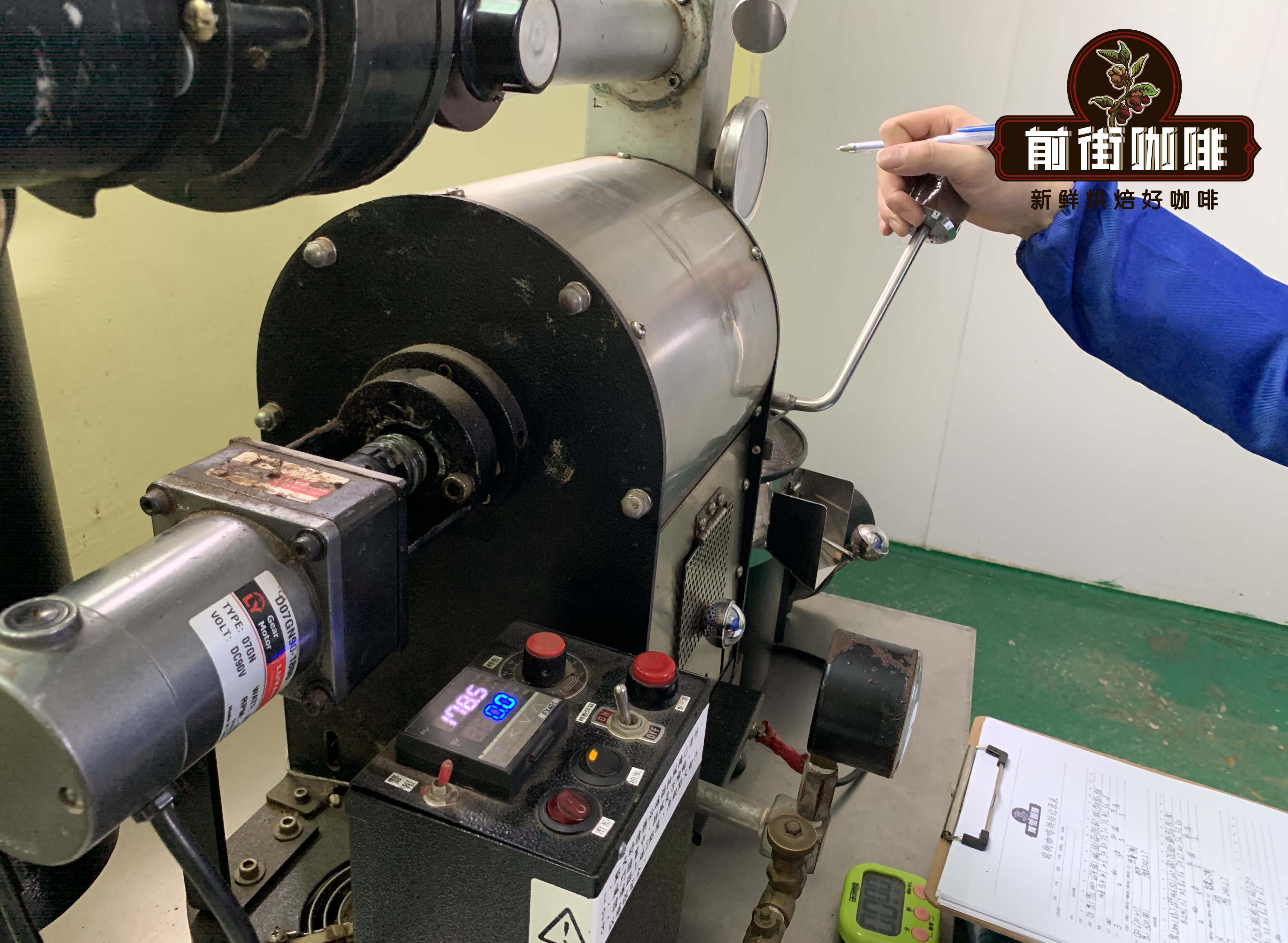
Many of coffee's flavors are expressed through roasting. And as the roast level differs, so does the way those flavors show. In this article, FrontStreet Coffee will share what different flavor profiles and mouthfeels coffee beans have at different roast levels.
The coffee bean roasting process
Coffee bean roasting generally goes through the following stages:
Charging: Before charging, the roaster is preheated to keep the drum temperature stable. Generally, a preheat temperature in the range of 180-200°C is enough to charge the beans.

Drying phase: After charging, the beans begin to absorb heat, and the drum temperature drops to around 100°C. About 1-2 minutes after charging, the drum temperature reaches its lowest point and then starts rising again; this moment is the turning point.
At around 5 minutes, the beans turn yellow, and the beans' original grassy smell transforms into the aroma of toasted bread; this moment is the yellowing point. The heat the beans absorb is transferred to their interior, and the beans' fiber structure begins to change and expand. At this point they are in a state of steady, continuous temperature rise.
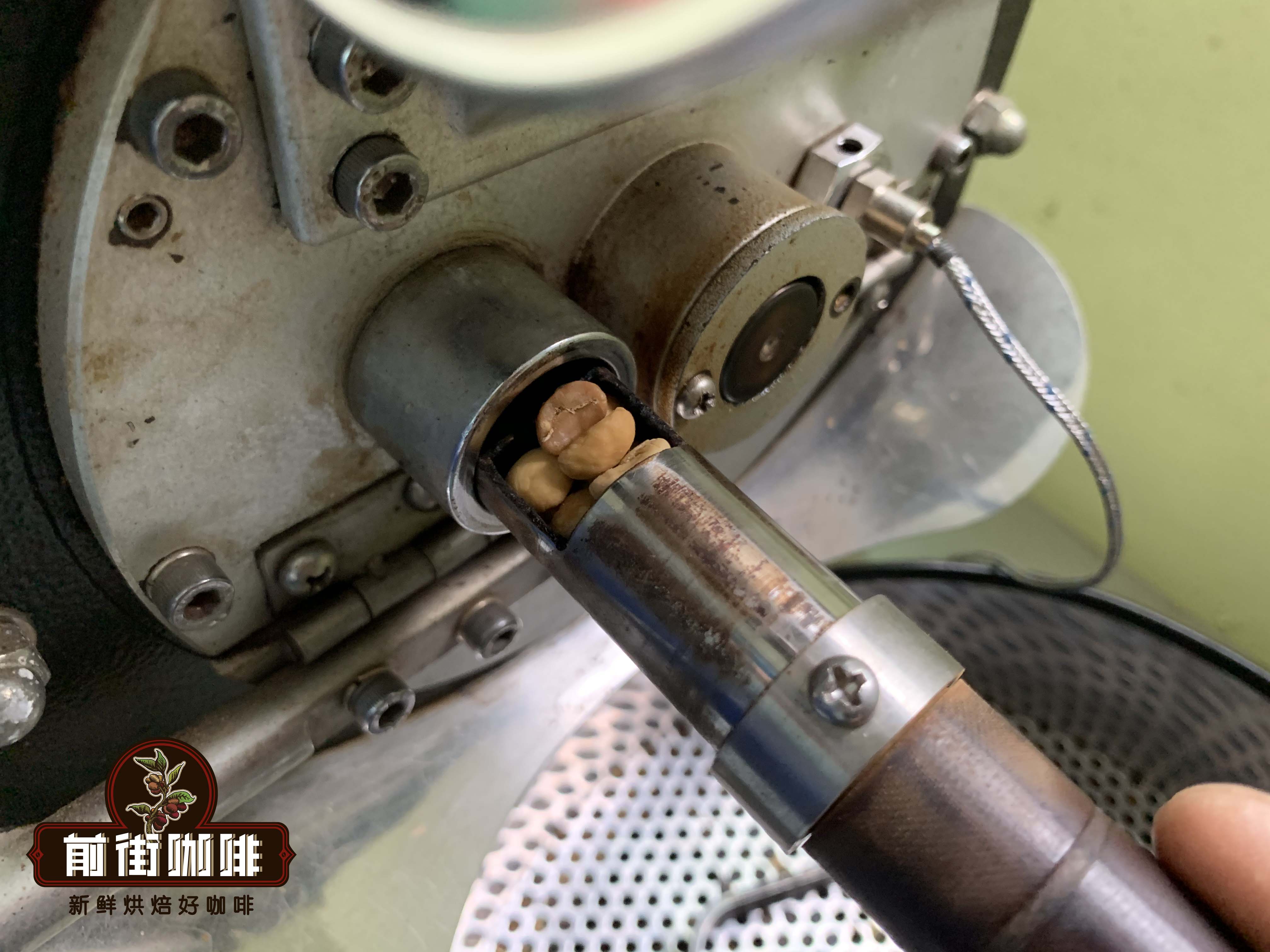
First crack: This refers to the pressure created when the moisture inside the coffee beans evaporates during the continuous heat absorption, breaking through the beans' cell walls and producing a "crackling" sound; at this point the coffee beans are in an exothermic state. Generally, 1-2 crackling sounds mark the beginning of first crack. After that comes a dense burst of "crackling" sounds; this is the peak of first crack. Finally, the crackling sounds end sporadically, marking the end of first crack. Generally, the start to the end of first crack falls in the 9-12 minute stage, and the length of first crack development determines how the coffee's flavor changes.

Second crack: After first crack ends, the beans return from an exothermic state to absorbing heat. After the coffee beans absorb a certain amount of heat, the lignin fibers in the cell walls break, producing a “crackling” sound, and the oils inside the beans flow out to the surface as the fibers break, making the bean surface glossy and bright. The sound of second crack is slightly weaker than that of first crack.
Drop: The beans can be dropped at any point from first crack through second crack; only the roast level will differ. After roasting, the coffee must be cooled immediately when dropped, to quickly stop the high-temperature pyrolysis and lock in the flavor; otherwise, if the high temperature inside the beans continues to act, it will burn off the aromatic substances and give the coffee a smoky, burnt taste. The drum temperature at drop is generally above 180°C.

How to distinguish roast levels
As mentioned above, coffee beans can be dropped at any point between first crack and second crack, and different timing points will lead to different roast levels. Qianjie's coffee roasts are divided into light roast, medium roast and medium-dark roast.
Using the sun-dried Yirgacheffe bean as an example, Qianjie carried out light roast, medium roast and medium-dark roast respectively for comparison.
Light roast: turning point at 5'00'', first crack begins at 8'30'', temperature 185.8°C, developed 1'30'' after first crack then dropped, drop temperature 196.3°C.
Medium roast: turning point at 5'00'', first crack begins at 8'32'', temperature 186.9°C, developed 2'30'' after first crack then dropped, drop temperature 197°C.
Medium-dark roast: turning point at 5'20'', first crack begins at 8'42'', temperature 185.4°C, developed 3'30'' after first crack then dropped, drop temperature 198°C.
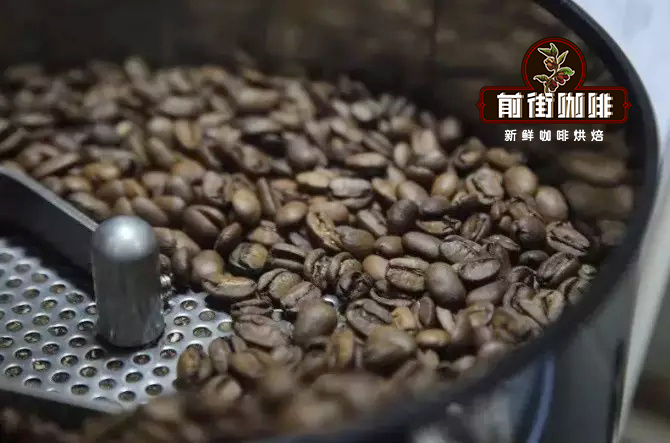
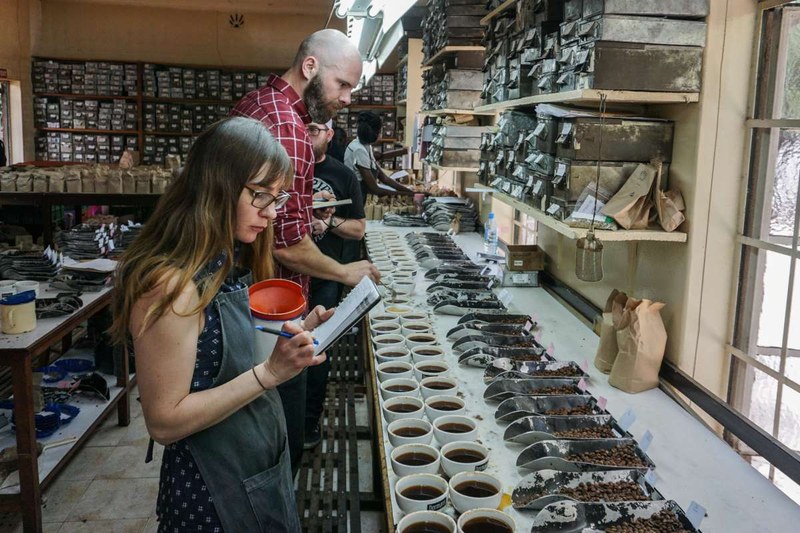
Cup testing these three coffees of different roast levels
[Light roast] The wet aroma has notes of berry, cream and citrus; on slurping there are flavors of blueberry, citrus, berry, tropical fruit and cream.
[Medium roast] The wet aroma is spice, berry and fermented notes; on slurping there are peach, plum, lemon, cream, almond and floral notes.
[Medium-dark roast] The wet aroma has notes of spice, smoke and cocoa; on slurping there are flavors of nuts, dark chocolate, cream and herbs.

Therefore, the lighter the roast, the more prominent the acidic fruity flavors; as the roast level increases, the acidity gradually weakens and the sweetness gradually emerges. At the medium roast stage, flavors of dark fruit as well as chocolate and brown sugar appear. At the dark roast stage, the caramelization flavors become very obvious, with notes of nuts, cocoa and cream appearing.
So is there a scientific way to define roast level? The answer is yes, and that is to judge the roast level by color value:
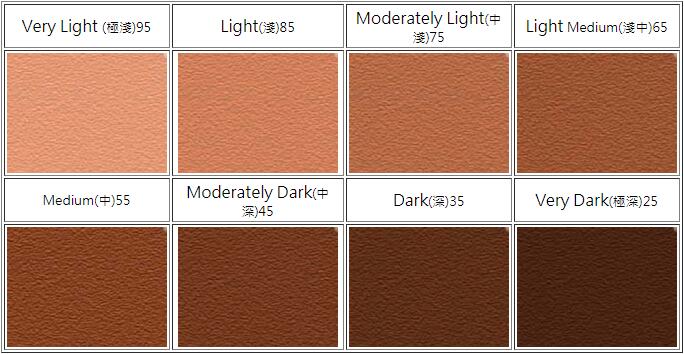
Light roast:
Agtron color value #95: Light Roast
Drop time: as the dense first crack is about to end
Agtron color value #85: Cinnamon Roast
Drop time: around the end of first crack
Medium roast:
Agtron color value #75: Medium Roast
Drop time: after first crack ends
Agtron color value #65: High Roast
Drop time: the quiet period between first and second crack
Medium-dark roast:
Agtron color value #55: City Roast
Drop time: the start of second crack
Agtron color value #45: Full City Roast
Drop time: before the dense second crack
Dark roast:
Agtron color value #35: French Roast
Drop time: during the dense second crack
Agtron color value #25: Itatian Roast
Drop time: when oils begin to seep onto the bean surface

So which coffees at FrontStreet Coffee represent the corresponding roast levels?
Light roast: represented by various African beans and bright, acidic American beans, such as FrontStreet Ethiopia Gutinguting, FrontStreet Kenya Little Tomato and FrontStreet Costa Rica Strawberry Candy. These generally show lively fruity and floral notes.

Medium roast: mainly FrontStreet Brazil Red Bourbon coffee beans, FrontStreet Jamaica Blue Mountain No. 1 coffee beans, FrontStreet Papua New Guinea Bird of Paradise coffee beans and Hawaii Kona coffee beans. These show a very good sense of balance.

Medium-dark roast: mainly the FrontStreet Indonesia Mandheling coffee series, such as PWN Golden Mandheling coffee, Tiger Mandheling coffee and Aged Mandheling coffee. These show a very strong full-bodied feel, with nutty, cocoa and herbal notes.

For more specialty coffee knowledge, please follow: FrontStreet Coffee (Frontsteet Coffee)
Related Reading
Comments (0)
Loading comments...
You May Be Interested


Trending Reviews
Popular Videos

With you, wherever you are! We provide useful features to help you find new things you'll love






