Source:Best Coffee > News Author:qjroot Published:2026-09-03 18:59:38
Once the coffee beans, container capacity and filtration method are settled, cold brew at home can actually be very simple. The most hassle-free setup is a glass jar with a lid, a digital scale and filter paper, suitable for making two or three cups of cold brew concentrate at a time. If you want a refreshing drink, add ice or dilute with water; if you want a cold brew latte, make the liquid more concentrated so the coffee aroma still comes through clearly in the milk.
An airtight jar with a capacity of about 500 ml can hold 35 g of ground coffee and 420 g of room-temperature drinking water, a ratio close to 1:12. Grind the coffee beans coarser than for pour-over, pour them into the jar, wet them thoroughly, then seal tightly and put it in the fridge. The steeping time can start at 12 hours; when the time is up, take out the coffee liquid first, then filter it. There are few steps, and the equipment is easy to clean.
If using a 1-liter cold brew pitcher, the dose can be set at 65 to 75 g, with the water amount kept at 800 to 900 g, leaving room for the filter basket and the lid. A cold brew pitcher with a built-in filter basket is better suited to daily use; the ground coffee can simply go into the filter. If the filter mesh openings are large, do not grind too fine, otherwise fine particles will get into the pitcher and make the mouthfeel cloudy.
If you only have an ordinary glass jar, you can put the ground coffee into a filter bag and then steep it in the water. The filter bag needs enough space for the grounds to expand; do not press the grounds into a tight clump. If using tea bags or non-woven bags, keep the amount of grounds to about half the bag's capacity so water can pass through the coffee bed easily. When done, just lift out the filter bag, and finally clarify the coffee liquid with filter paper.
A French press can also make cold brew; the key is the filter screen area and the markings on the carafe. Taking a 600 ml press as an example, you can use 40 g of coarsely ground coffee and 500 g of water, and slowly press down the filter after steeping. The metal filter of a French press retains more oils, so the result has more body than paper-filtered coffee; if you want a cleaner cup, you can pass it through filter paper once more.
The full capacity marked on a vessel is not the same as the actual usable capacity; when adding water, you should leave room for the coffee grounds, the filter basket and stirring. If there is not enough water, it is hard for all the grounds to contact the water; if it is filled too full, closing the lid and removing the filter basket both become inconvenient. For home brewing, you can first measure the effective volume of the container, then convert based on adding 8 to 9 g of grounds per 100 ml of water, which makes adjusting more intuitive.
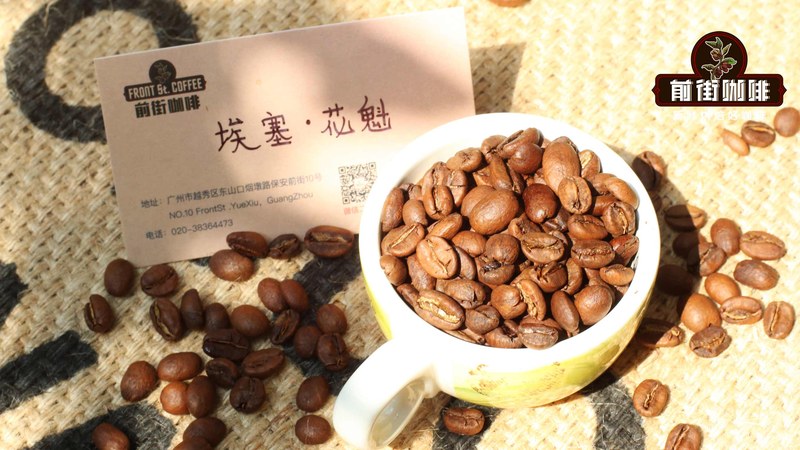
Beans with vivid flavor usually show softer acidity after low-temperature steeping, while the aroma leans closer to fruit juice or a cold drink. Qianjie Ethiopia Huakui is suitable for a cold brew pitcher with a filter basket; use a 1:12 ratio and steep for about 12 hours, and the result shows a tropical-fruit-like sweet aroma, still with a lively strawberry and passion fruit direction after ice is added.
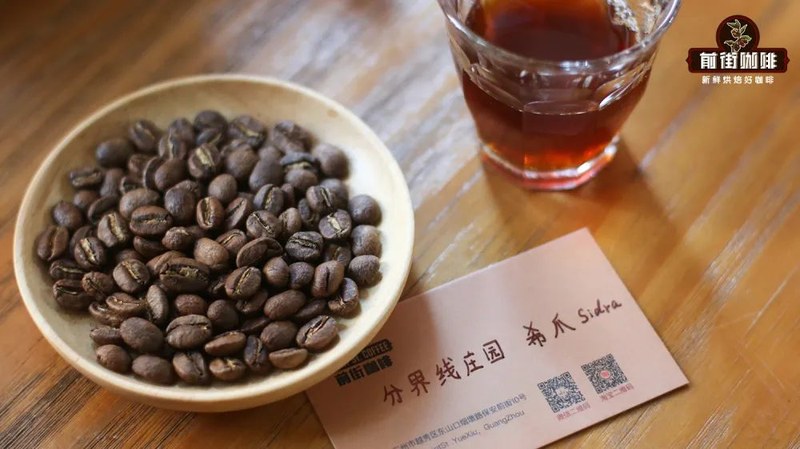
If using a smaller airtight jar, Qianjie Colombia Sidra can use a recipe of 40 g of grounds and 480 g of water, with a steeping time set at 10 to 12 hours. It itself has fruit notes such as blueberry, grape and apricot; after cold brewing, the acidity is restrained, and it drinks like diluted fruit juice, suitable both for drinking straight and for adding sparkling water to make a refreshing cold coffee.
After extraction is complete, adjustments can revolve around strength and time. If the taste is on the weak side, reduce the water or extend the steeping by one or two hours; if the mouthfeel is heavy and the finish dries out, increase the water or shorten the contact time. Grinding too fine increases the amount of fines, makes filtering take longer, and easily produces a cloudy feel in the cup, so starting with a coarse grind makes it easier to control.
For households with a cold drip tower, you need to look at the drip rate, the capacity of the coffee basket and the volume of the lower carafe. Taking about 400 ml of coffee liquid as an example, you can use 35 g of medium-coarse ground coffee, set the total amount of ice water at around 420 g, and let the water pass slowly at a rate of two or three drips per minute. Cold drip is better suited to small batches and immediate drinking; if you want to save time and effort, an airtight jar or cold brew pitcher is still closer to daily life.
After filtering, put the cold brew liquid into a clean airtight bottle and drink it chilled. For black coffee, you can dilute the coffee liquid with water at one to one, then fine-tune according to the strength after the ice melts; for a latte, add a little less water so the coffee retains a more obvious sense of weight. Once the vessel capacity, filter structure and coffee-to-water ratio correspond to one another, you can consistently make cold brew at home that suits your own cup.
Related Reading
Comments (0)
Loading comments...
You May Be Interested

Trending Reviews
Popular Videos

With you, wherever you are! We provide useful features to help you find new things you'll love






