Source:Best Coffee > News Author:qjroot Published:2024-07-24 19:01:40
South America is the fourth largest continent in the world and one of the continents with more volcanoes in the world. It has diverse natural resources such as the Andes Mountains and the Brazilian Plain, and most of South America has a tropical rainforest climate and tropical savanna climate, warm and humid, these conditions are very suitable for coffee cultivation, so South America has quite a few major coffee-producing countries, such as Brazil, Colombia, Ecuador and so on.
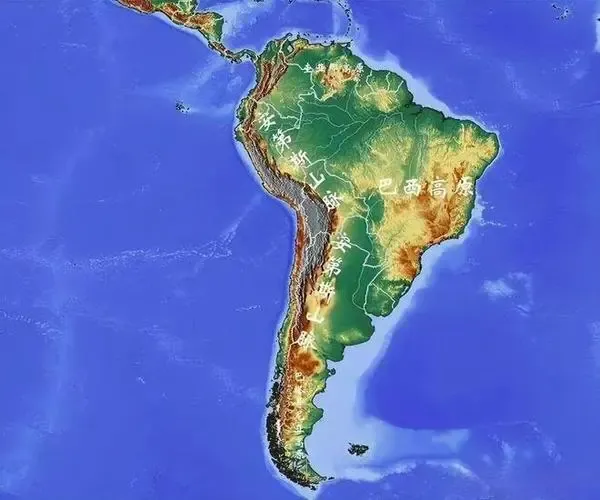
Among them, Brazil is the largest country in the Americas, with a total land area of 8.5149 million square kilometers, developed agriculture, and a solid industrial foundation. Of the country's 26 states, 17 produce coffee, making Brazil the world's largest coffee-producing country.
The reason Brazilian coffee can become the largest coffee-producing country lies in its advantageous geographical conditions and climate environment. Brazil's terrain is mainly divided into 2 major parts: one part is the Brazilian Highlands above 500 m in elevation, mainly concentrated in the country's central and southern regions, and the other part is the plains below 200 m in elevation, mainly distributed in the Amazon River basin in the north and west, while coffee is mainly grown in the south.
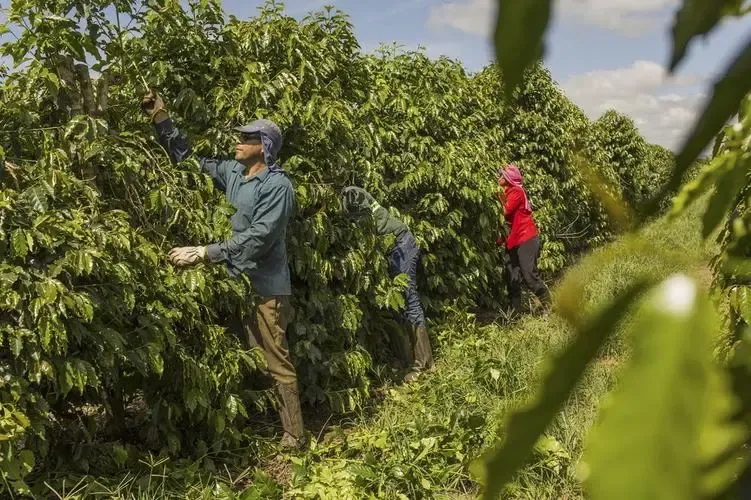
Most of Brazil lies in the tropics, with a tropical savanna climate in the central region and a humid subtropical monsoon climate in the south, where the average annual temperature is 16-19°C.In addition, Brazil has sedimentary volcanic rock debris soil and brown clay soil rich in organic matter and minerals. These soils have good drainage, and together with its many rivers and suitable climate, this makes the country suitable for coffee cultivation.
At first, coffee seeds were initially planted in Para state, Brazil, and coffee then spread from the north to other parts of Brazil. As demand for coffee in the United States and Europe began to increase in the mid-19th century, Brazil's coffee industry also flourished. At that time, coffee became Brazil's main export product, accounting for 30% of world production, and coffee promoted Brazil's economic development.
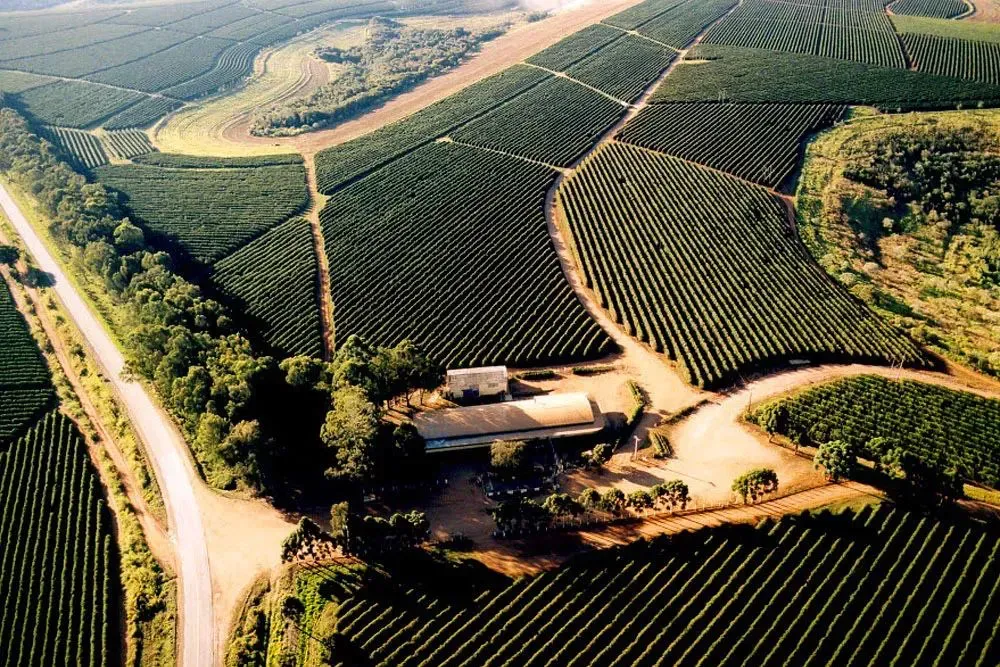
However, by the Cold War period of the 20th century, coffee production was severely oversupplied and coffee prices fell sharply, so Brazil signed the International Coffee Agreement with several countries to restrict exports. It was not until the end of the 20th century that it withdrew from the agreement and in 1991 founded the Brazil Specialty Coffee Association (BSCA), aimed at promoting specialty coffee from all producing regions within Brazil and its market development.
At present, Brazilian coffee is mainly grown in four states: Parana, Sao Paulo, Minas Gerais and Espirito Santo, and these four states account for 90% of the country's total coffee production.
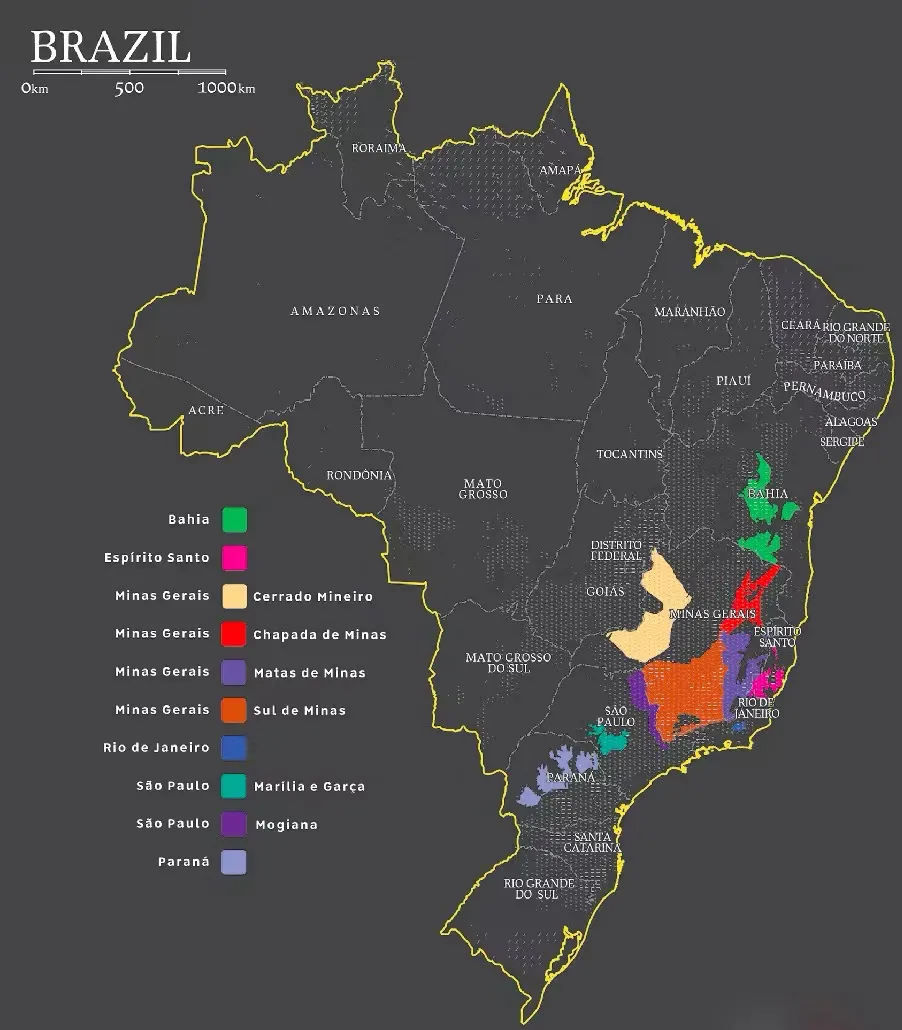
Among them, the most well-known is Minas Gerais, and the relatively famous sub-regions Cerrado and Sul de Minas are both in this state. FrontStreet Coffee has a semi-washed Cerrado coffee, which serves as an entry-level selection, carrying chocolate flavor and nutty aroma with a balanced mouthfeel.
Although Espirito Santo has a smaller planting area compared with other coffee regions, Espirito Santo also has a good growing environment. Montanhas do Espirito Santo, which in Portuguese represents a mountainous region, is also mainly mountainous, with an altitude between 700-1000 m, and is close to the Atlantic Ocean, bathed by sea breezes.
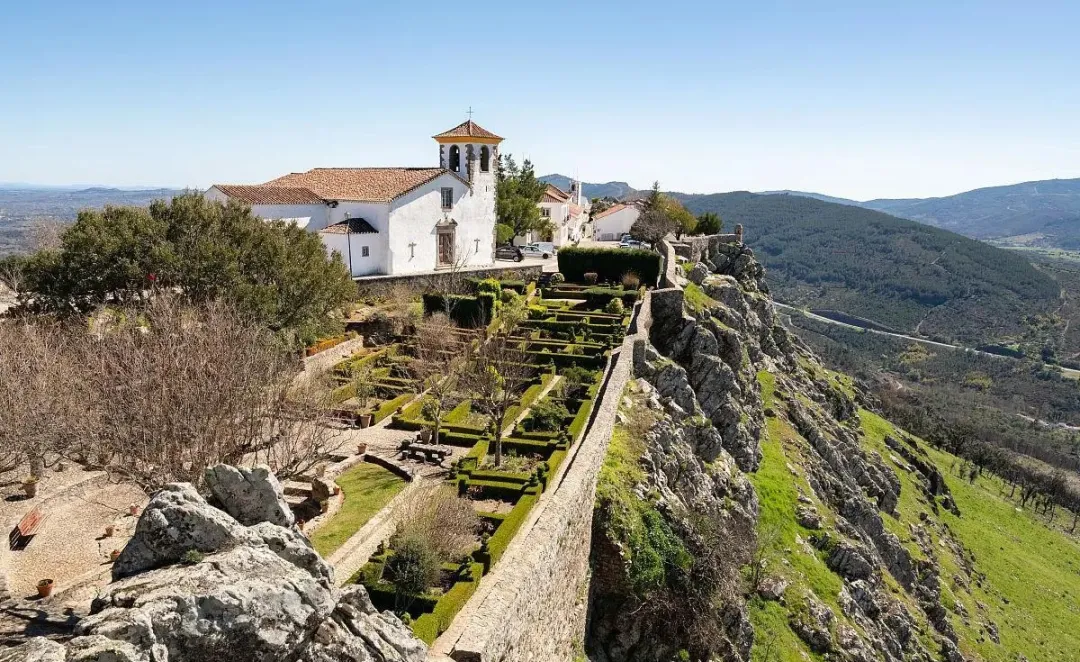
Planting mainly favors the Robusta species, which has strong wind resistance, and it currently accounts for 80% of the state. However, in the southern part of the state, Arabica varieties are mainly grown. Thanks to moderate temperatures and a suitable geographical environment, Arabica varieties produced in Espirito Santo have performed well in recent years. For example, at the Corrégo da Liberdade estate in this state, it took 5th place with 88.88 points in the 2023 Brazil COE Washed category.
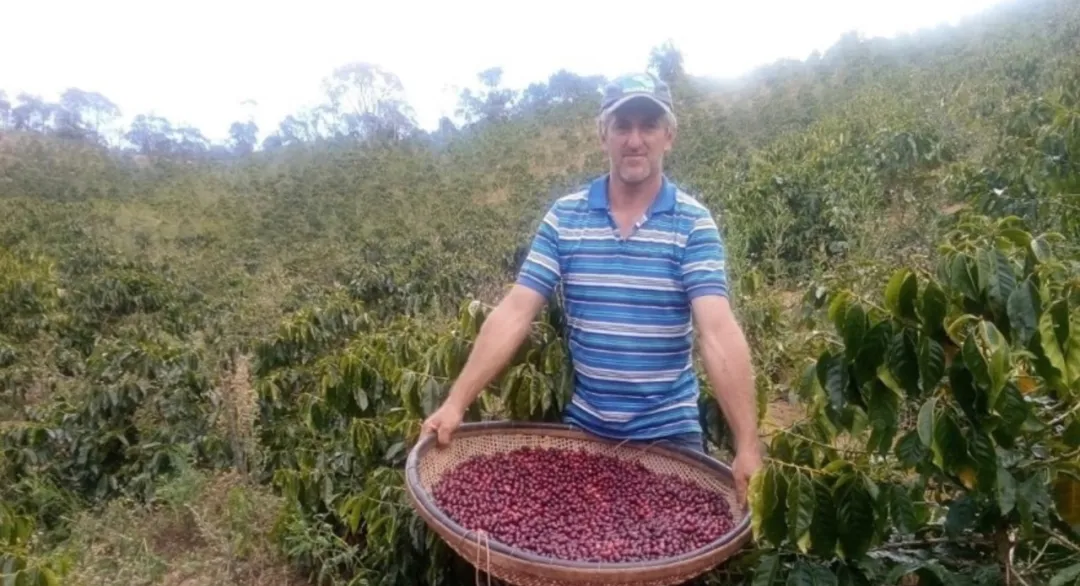
Corrégo da Liberdade estate is managed by Jeremias Lietig Braga. Jeremias is a fourth-generation coffee producer; his great-grandfather came from Germany to the mountains of Espirito Santo, and that was when coffee was first planted here. At present, Jeremias and his wife care for the coffee trees here, and they have a small processing facility, so from harvest to processing, Jeremias does everything himself, which is how he ensures the production of high-quality coffee.
Related Reading





Comments (0)
Loading comments...
You May Be Interested




Trending Reviews
Popular Videos

With you, wherever you are! We provide useful features to help you find new things you'll love






