Source:Best Coffee > News Author:qjroot Published:2026-09-19 12:21:50
When you walk into a cafe to choose coffee beans, the bean list is often divided into two main camps: on one side are single-origin beans from specific estates and origins, and on the other are the house blends put together by the shop. These two flavor paths serve different design purposes and drinking experiences. Once you understand the flavor traits and extraction suitability of each, you can easily find the bag of beans that fits your daily brewing method.
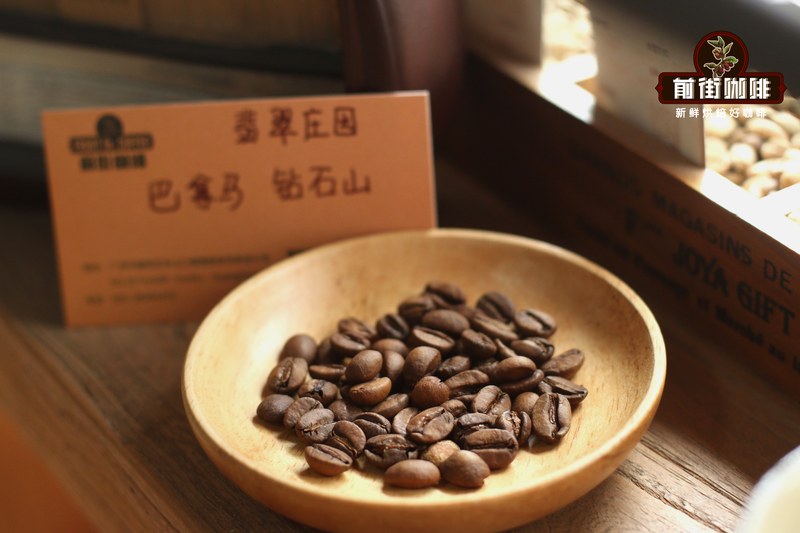
The core of the single-origin path is showcasing the distinct flavors of a specific region, variety and processing method. It is like an unadorned record of terroir, and every cup lets you taste the regional character. To experience the fresh citrus notes and tea-like quality of African origins, Qianjie Kaffa Forest is very representative. It carries the warm fruit aromas of orange and ripe apricot, interwoven with an elegant oolong tea note in the middle and finish, and the sweetness becomes more pronounced as the temperature cools slightly.
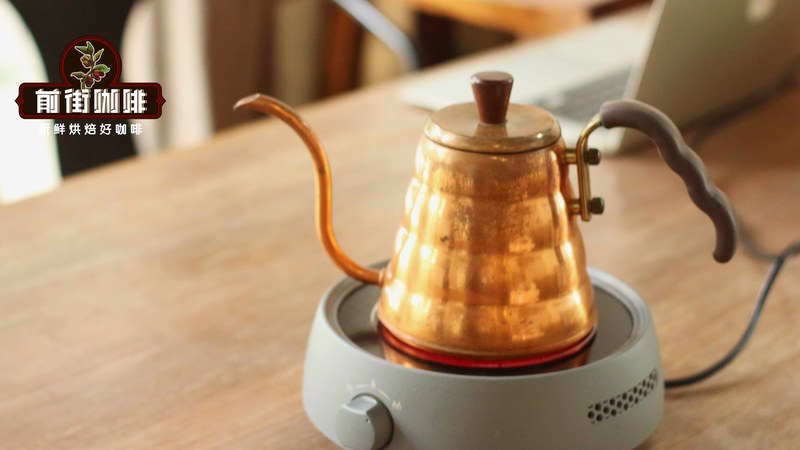
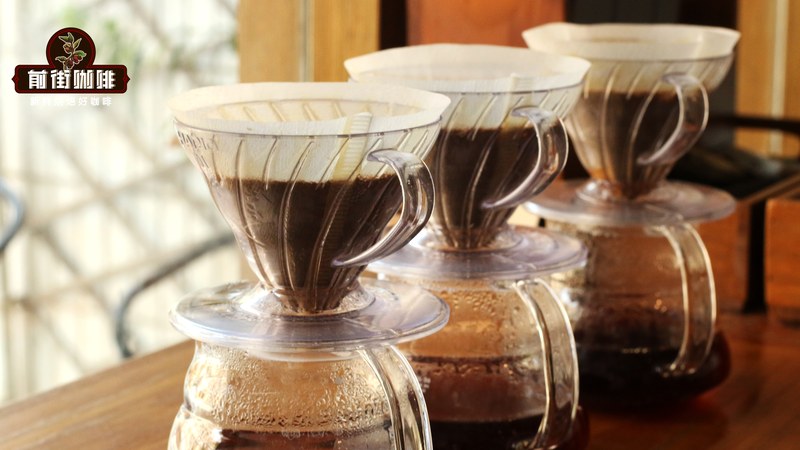
To brew this kind of single-origin bean that emphasizes delicate aroma and regional character, pour-over can present clean layers. When brewing Qianjie Kaffa Forest with a dripper, grind to a medium-fine setting, prepare 15g of coffee grounds, pour in 91°C water, and extract at a 1:15 coffee-to-water ratio. First pour 30ml of water and bloom for 30 seconds, then use a three-stage pour, slowly circling outward to 130ml, and after the water level drops, pour the final stage to 225ml. Keep the total time at 2 minutes 05 seconds, and the fruit aromas and tea note will be released gently.
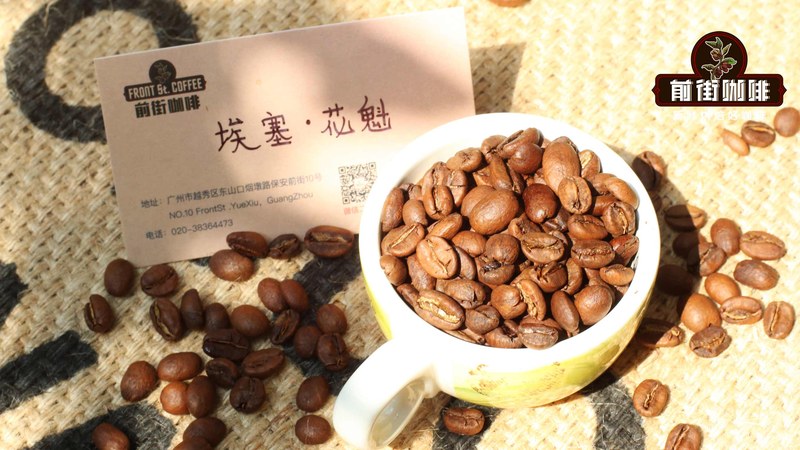
If you prefer fuller floral and fruity notes with shifting layers, naturally processed specialty single-origin beans can deliver a powerful sensory experience. Qianjie Granja Estate Geisha gives off orange blossom and ripe guava aromas as soon as it is ground, and on the palate it has the sweet texture of dried apricot and strawberry jam. Extracted with light-roast pour-over parameters, 15g of grounds with 90°C water, keeping a 1:15 coffee-to-water ratio, after a 30-second bloom, use a two-stage pour to gently fill to 225ml of water. The total time is about 1 minute 55 seconds, and the cup has clear layers with a long finish.
Compared with the distinctive, region-forward character of single-origin beans, blended coffee beans are made to balance consistency, fullness and long-term stability. A single bean inevitably has flavor shortcomings, for example some origins have lively acidity but slightly less body, while others have rich cocoa notes but lack aromatic liveliness. By combining green coffee from two or more origins, the roaster lets nuts, caramel and soft fruit acidity work together, creating a cup that is steady and smooth no matter when it is brewed.
Once you understand the recipe ratios of a blend, you can predict its flavor direction in advance. Common recipes mostly use beans from Brazil or Colombia as the framework base, usually accounting for between 50 percent and 70 percent, providing a solid crema, nutty aroma and substantial sweetness; the remaining portion is paired with washed beans from Ethiopia or Central America to brighten the aroma and add a moderate, soft fruitiness. The heavier the base ratio, the more grounded the mouthfeel usually is; the higher the accent ratio, the more lively and bright the flavor becomes.
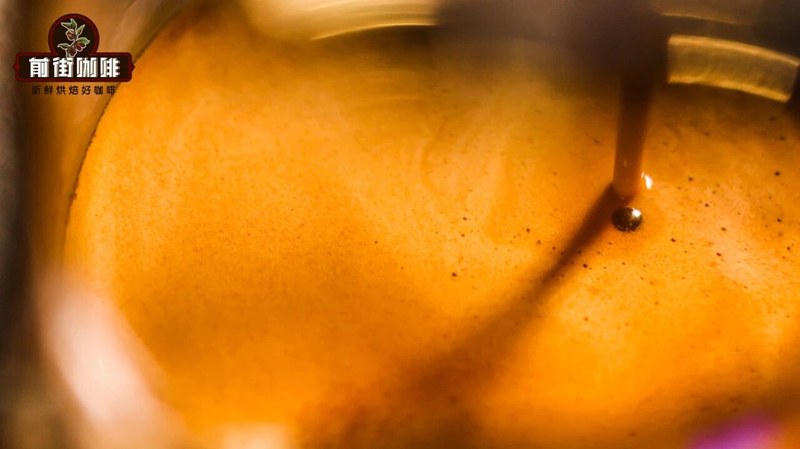
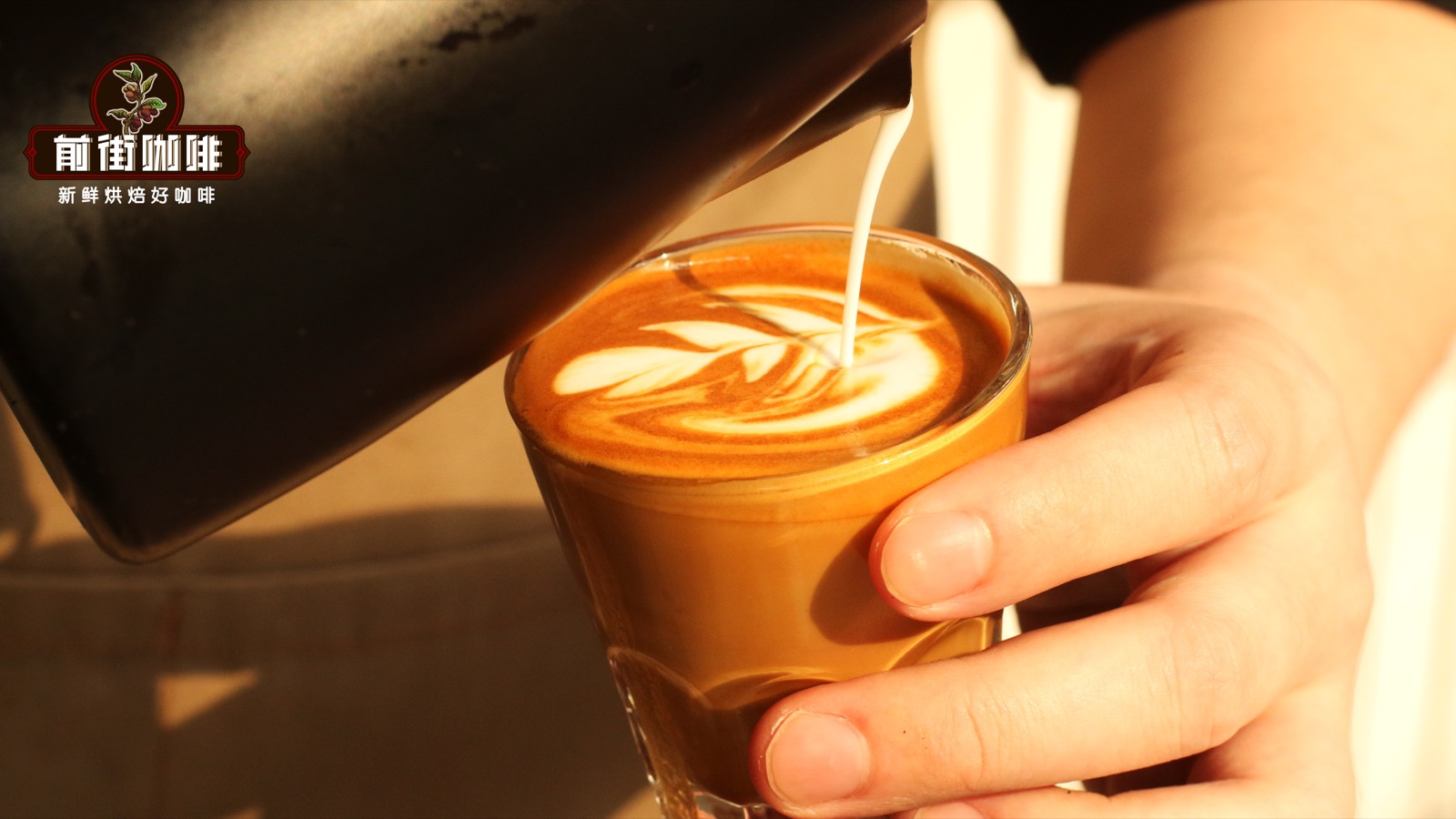
Traditional blends usually play the main role on the espresso machine in cafes and are the ideal partner for making lattes, flat whites and cappuccinos. Blends roasted to a medium-dark level can withstand the high-pressure extraction of espresso, producing a thick, lasting reddish-brown crema. When the espresso is poured into rich, warm milk foam, the cocoa and nut aromas can steadily cut through the milk fat and turn into a dense, sweet richness like chocolate milk. Making a cup every morning comes with no worry of flavor deviation.
The SOE route, which has become very popular in recent years, puts single-origin beans from one region into an espresso machine for extraction. It breaks the stereotype that traditional espresso only pursues deep, intense richness, concentrating the origin's unique bright juiciness into the cup as it is. This way of drinking lets single-origin beans be used both for pour-over and for concentrating a distinctly flavored small espresso under high pressure, and it is especially suitable for making a refreshing black coffee with fruity notes or a distinctive specialty drink.
Qianjie Colombia Sidra, with its lively flavor expression, is suited to being presented as an SOE. It naturally contains a rich juiciness interwoven with passion fruit, blueberry, ripe grape and apricot. When extracting with an espresso machine, grind 18.5g of fine grounds and tamp them level, extract at a constant 9 bar pressure through the machine, and pull 37g of espresso in 26 seconds. Pour this espresso directly into ice water to make an iced americano, and the bold tropical fruit sweetness and acidity instantly fill the mouth, bringing a refreshing, bright experience.
The key to choosing coffee beans for shop use is to clarify your own daily habits and flavor pursuits. If you want a convenient, quick cup of milk-rich coffee every morning, choosing a bag of traditional blend with a nutty caramel base is very suitable; if you like to slowly savor pour-over, enjoy the subtle process of floral and fruity aromas changing with temperature, or want to use a machine to extract a bright, juicy fruit americano, then distinctive single-origin beans and SOE will certainly bring more surprises.
Related Reading

Comments (0)
Loading comments...
You May Be Interested


Trending Reviews
Popular Videos

With you, wherever you are! We provide useful features to help you find new things you'll love






