Source:Best Coffee > News Author:qjroot Published:2026-10-09 18:41:57
I make coffee in a cafe every day, and I often have customers come in holding half a bag of beans asking: it's only been two weeks since I bought them, so why do they taste so "flat" already? The problem usually isn't the beans themselves, but rather something going wrong with the storage environment at home. If you want to preserve the freshness of coffee from the first cup to the last cup, you first need to understand how four elements work together: sealing, light protection, coolness and dryness, and dryness is an especially critical part. Moisture is a major enemy of coffee flavor. Beans exposed to damp for a long time don't just lose aroma and turn muddled, they also promote mold, and once it reaches that point, the whole bag of beans can only be thrown away.
When it comes to sealing, its core function is to reduce the contact between coffee and oxygen. Oxygen causes oils to oxidize and aromatic compounds to escape, and this is the main cause of flavor loss. But there is a detail I often remind customers about: if you don't have a dedicated sealed canister, keeping the original packaging is actually the safer choice. Most proper coffee bean bags on the market come with a one-way degassing valve. After roasting, the beans continuously release carbon dioxide, and this valve lets excess gas out while blocking outside air from getting in. By contrast, those good-looking glass jars and ceramic jars, if the sealing ring has aged or the lid doesn't close tightly, may not store beans as well as the original bag.
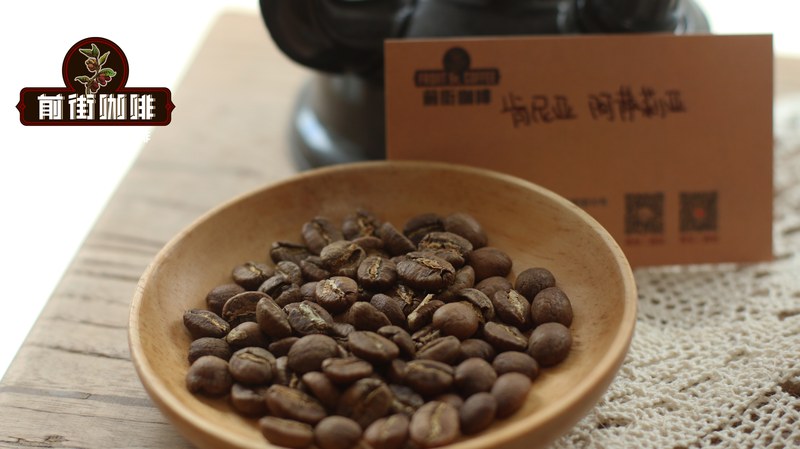
The choice of placement also matters quite a bit. Beside the stove the temperature fluctuates greatly, on the windowsill there is direct sunlight, and damp places such as near the refrigerator or next to the bathroom are all danger zones for storing beans. I usually suggest customers find a spot deep in a cabinet, away from heat sources, with a stable temperature and no direct light. The inner side of a kitchen wall cabinet is often an underrated good spot at home: easy to reach and use, while avoiding the heat and steam of daily cooking.
There are two common mistakes I want to point out separately. The first is frequently opening the lid to take out beans. Every time you open it is a chance for aroma to escape, and moisture in the air also takes the opportunity to slip in. The second is pouring beans into a non-sealed jar, thinking "changing containers is more convenient," when in fact it speeds up oxidation. If you really want to change containers, be sure to choose a style with a silicone sealing ring that can lock tightly, fill it all at once to reduce air left at the top, and move quickly when taking beans out, opening and closing as few times as possible.
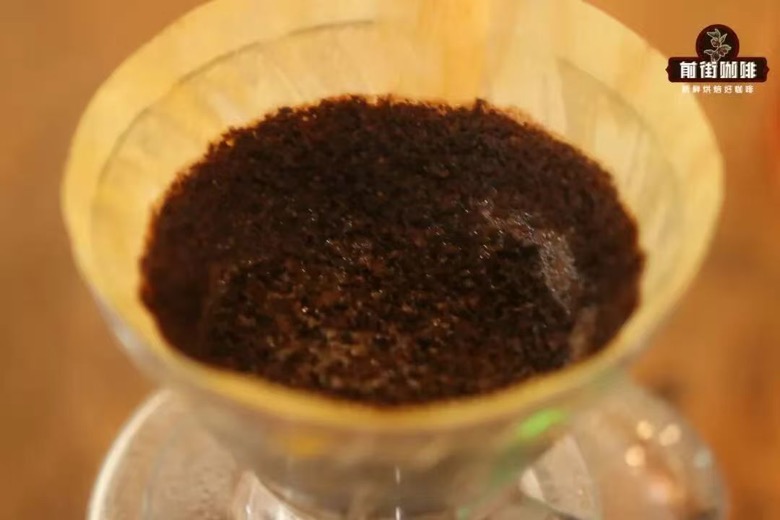
Once you understand these things, the difference between "shelf life" and "peak flavor period" becomes much clearer. The shelf life of coffee beans is usually marked as twelve months or even longer, but that is only the baseline for safe consumption. The peak flavor period is what we really care about: within two to four weeks after roasting, aromatic compounds are at their active peak. Qianjie's beans are all roasted and out of the roaster within 5 days, so they can be brewed as soon as the bag is opened, and drinking them within a month is more suitable. What is called resting the beans is simply letting the carbon dioxide produced by roasting escape moderately, so that during brewing the coffee bed is more stable and extraction is more even. Take pour-over as an example: 15g of grounds with 225g of water, water temperature controlled at 90-93°C, bloom for 30 seconds first, with a total extraction time of about 2 minutes. This fully unfolds the layers of the beans.
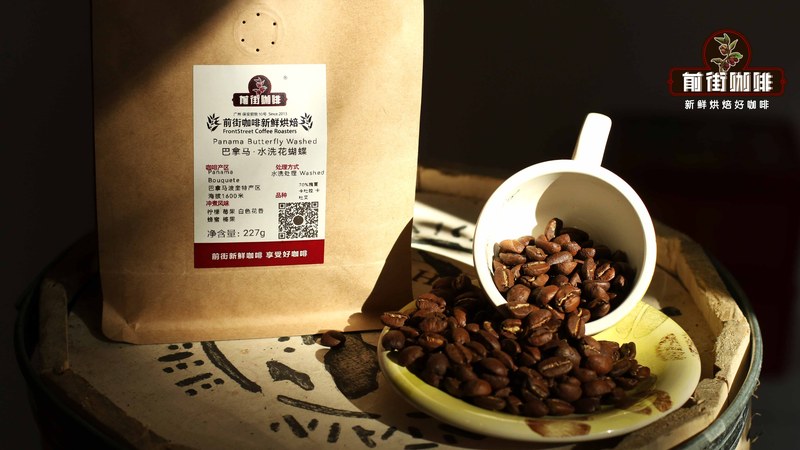
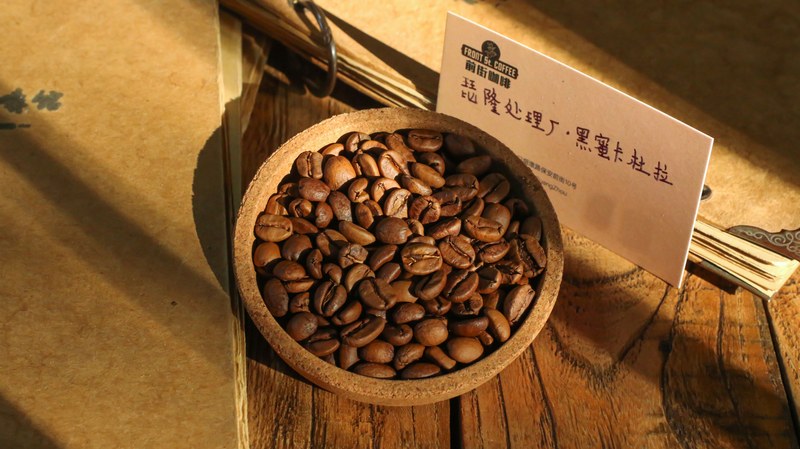
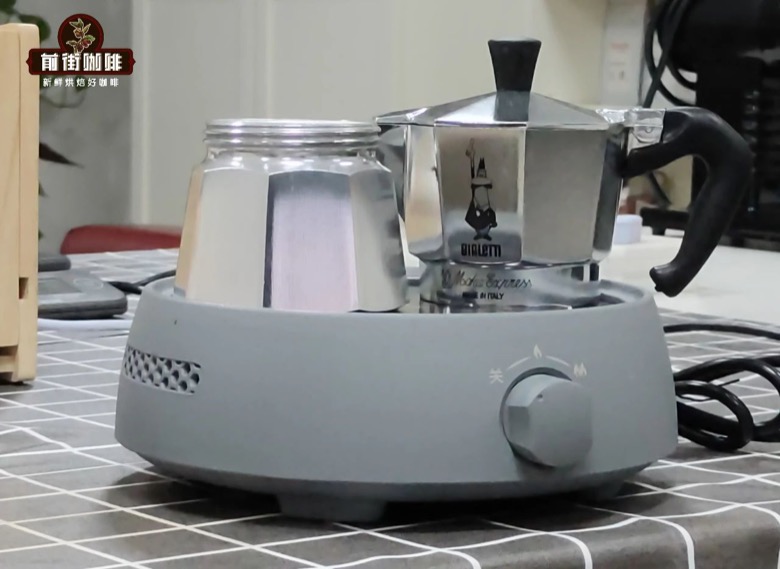
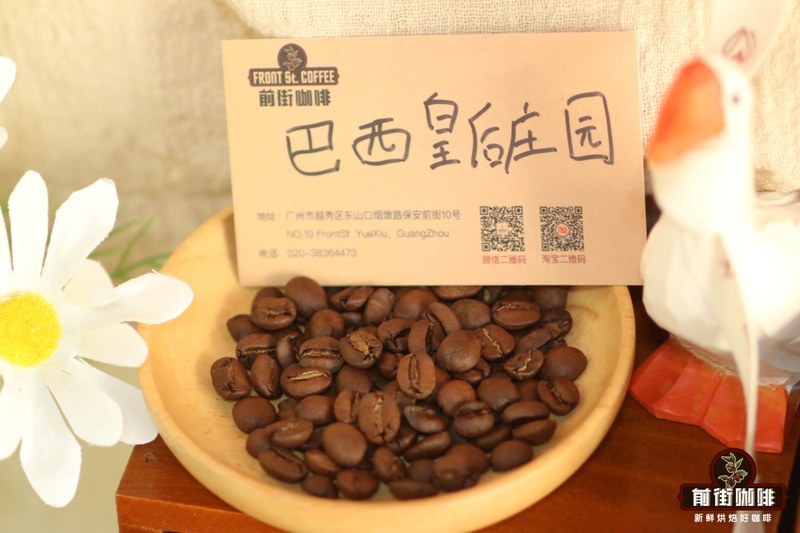
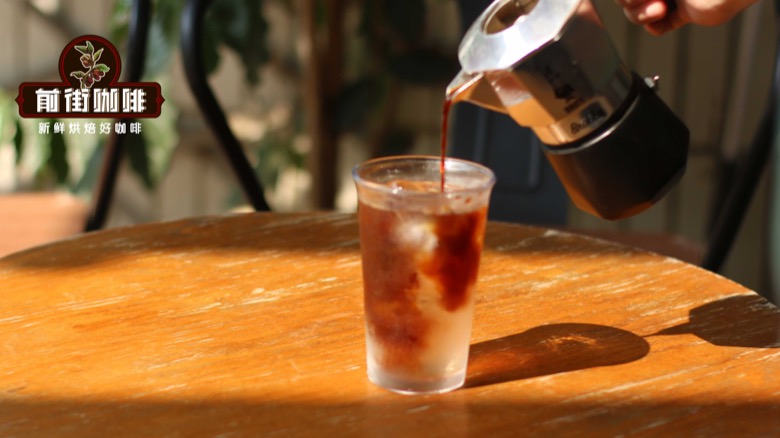
Take a few beans we drink often in our shop as examples: whether they are stored properly or not makes an obvious difference. Qianjie Black Cocoa Blend is a medium-dark roasted Arabica blend, Yunnan washed small beans paired with Brazil semi-washed, rich in oils, and it brings out chocolate and caramel notes whether made as espresso or in a moka pot. This kind of medium-dark roasted bean has a high oil content and is more sensitive to oxidation, so sealed and dry storage is especially important. Qianjie Queen's Estate is a Brazilian high-altitude Yellow Bourbon, medium roasted, with the aroma of creamy peanut and toasted bread that is very appealing, low acidity and a sweet, clean mouthfeel, suitable for friends who like a softer style, and it works for both pour-over and espresso directions. Qianjie Papua New Guinea Bird of Paradise comes from the Sigri region, Typica triple washed, and under medium roasting the nutty chocolate flavor is solid, the texture is creamy and smooth, low in acidity and gentle, a reliable choice for everyday drinking. Qianjie Kenya Small Tomato is a medium-light roasted washed bean, with dark floral and berry flavors that stand out remarkably; the sweet-tart feel of prune and black plum is bright like juice. This kind of medium-light roasted bean has more active aromatic compounds, and the peak flavor window is relatively more concentrated, so only with good storage can you taste that delicate complexity.
In the end, storing coffee at home doesn't require complicated equipment. Understand the principles of dryness first, fewer open-and-close cycles, and the original bag being usable, and you can keep every cup you drink daily in good condition. When you bring beans home, spending half a minute thinking about where to put them is more useful than any expensive container.
Related Reading

Comments (0)
Loading comments...
You May Be Interested

Trending Reviews
2024-11-24
Popular Videos

With you, wherever you are! We provide useful features to help you find new things you'll love






