Source:Best Coffee > News Author:qjroot Published:2026-09-11 16:08:41
The aromatic compounds contained in every coffee bean can only be fully expressed when matched with the right water temperature, coffee-to-water ratio and pouring rhythm. Lightly roasted coffee beans are usually dense in texture, retaining abundant volatile aromatic compounds and fruity acidity; during brewing, a reasonable water temperature is needed to unlock the aroma, while a steady flow of water draws out the sweetness, giving the cup a clear, transparent quality rich in layers.
The core of adjusting a brewing recipe lies in understanding the order in which substances dissolve during pour-over brewing. In the first half of the pour, floral notes and light fruity acidity are released quickly, while the second half mainly contributes body and the sweet, caramelized sweetness of sugars. By regulating the strength of the water flow and the dwell time of each stage, you can deliberately amplify the bean's own best flavors.
For brewers pursuing elegant floral notes and a delicate tea-like quality, Qianjie Panama Emerald Estate Red Label Geisha is an ideal choice. This bean is grown at high altitude and carries clear jasmine, bergamot oil and sweet citrus notes; in the cup it shows a black-tea-like, smooth and mellow texture, with an overall flavor that is elegant and penetrating.
When brewing Qianjie Panama Emerald Estate Red Label Geisha, a water temperature of 91°C is recommended, using 15g of coffee grounds and pouring 225ml of water, with a three-stage pouring method and a total extraction time controlled at 2 minutes 10 seconds. First use 30ml of water for a gentle 30-second bloom, then pour in even circles from the center outward up to 130ml, and when the water level drops to half, pour the remaining water up to 225ml; this brings out its floral notes and multi-layered sweet-tart character very well.
Careful staged pouring allows the inner flavors of high-altitude hard beans to dissolve evenly, while also preventing too fast a large stream from scattering the delicate floral molecules. If you want the acidity to feel softer, you can slow the circling speed appropriately in the final stage, letting the sweetness linger longer in the throat; the whole cup will show subtle changes from warm to cool.
Enthusiasts who prefer a fresh citrus profile with a bright, mouth-watering quality can look to Qianjie Yirgacheffe Gotingding. The washed process gives it a clean, refreshing base; on the palate you can sense the lively juiciness of citrus and cranberry, accompanied by a quiet white-flower aroma, while the finish carries a green-tea-like sweet aftertaste, making it very suitable for a morning or afternoon pick-me-up.
For the flavor characteristics of Qianjie Yirgacheffe Gotingding, a water temperature of 92°C is suggested, weighing out 16g of coffee grounds and pouring 240ml of water, using a two-stage pouring method with a total extraction time set at 2 minutes 00 seconds. During the bloom stage, pour 35ml of water and let it sit for 30 seconds; in the second stage, pour in steady large circles continuously up to 240ml and finish smoothly; this method amplifies Gotingding's bright fruity aroma and transparent tea-like quality.
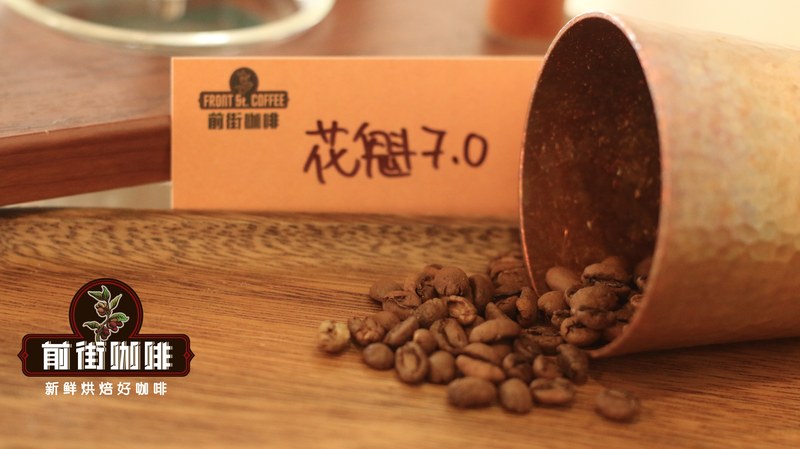
If you prefer rich, juicy tropical fruit and the intense sweetness of strawberry gummy candy, Qianjie Ethiopia Huakui can deliver a completely different pleasant experience. The natural process gives this bean the bold aromas of ripe strawberry, passion fruit and tropical dried fruit; on the palate the sweetness is abundant and lively, and the juicy quality lingers long in the mouth.
When brewing Qianjie Ethiopia Huakui, it is suitable to adjust the water temperature slightly to 89°C, using 15g of coffee grounds and pouring 225ml of water, with a three-stage pour and a total time controlled at 2 minutes 15 seconds. After a 30-second bloom with 30ml of water, pour the second stage up to 120ml to enhance sweetness extraction, and top up to 225ml in the final stage; the slightly lower water temperature nicely refines the fermented fruity notes, making the ripe-fruit sweetness rounder and cleaner.
In daily brewing, adjusting parameters according to a bean's processing method and roast characteristics is great fun. Washed beans are usually suited to a slightly higher water temperature to unlock lifted floral and fruity aromas, while natural beans can highlight a full, dried-fruit sweetness and rich berry flavors at a relatively gentler temperature.
Once you have picked pour-over coffee beans you like, establish clear brewing habits with a scale and a thermometer, and feel the interaction between water and coffee grounds with every pour and drip; you can then easily present a stable and captivating flavor in your own dripper.
Related Reading


Comments (0)
Loading comments...
You May Be Interested


Trending Reviews
Popular Videos

With you, wherever you are! We provide useful features to help you find new things you'll love






